
Sustainable home upgrades 2026 budget
Planning sustainable upgrades requires balancing upfront costs against long-term energy savings and resale value. In 2026, the most effective projects focus on high-impact efficiency gains rather than cosmetic changes. The goal is to select upgrades that pay for themselves through lower utility bills while appealing to eco-conscious buyers.
Start with the building envelope. Sealing air leaks and upgrading insulation are often the most cost-effective steps, reducing heating and cooling loads by up to 20%. Pair this with energy-efficient windows and doors to maintain indoor comfort without overworking your HVAC system. These structural improvements form the foundation for any other sustainable technology you might install later.
Lighting and appliances offer quick wins with faster payback periods. Switching to LED bulbs and upgrading to ENERGY STAR-rated appliances reduces electricity consumption significantly. While these items have lower upfront costs, their cumulative impact on your monthly energy bill is substantial. Look for models with high efficiency ratings to maximize savings.
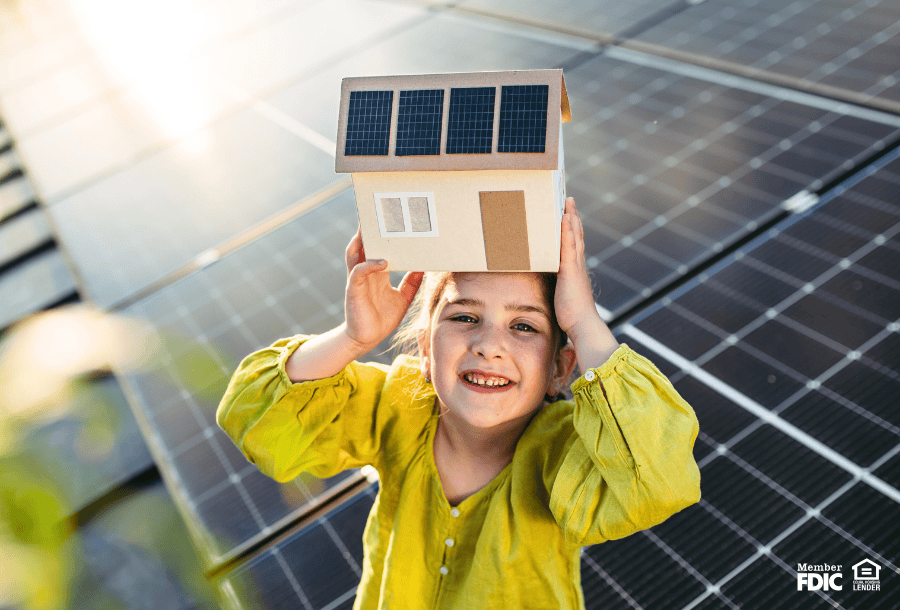
For larger investments, consider solar panels or heat pump water heaters. These systems have higher initial costs but offer long-term value through energy independence and potential tax incentives. Evaluate your home’s specific needs and local climate to determine which upgrades make the most financial sense for your budget.


As an Amazon Associate, we may earn from qualifying purchases.
Shortlist real options
Choosing sustainable home upgrades in 2026 means balancing immediate energy savings with long-term resale value. The market is shifting toward integrated systems rather than isolated fixes. Buyers are looking for homes that combine reduced utility bills with modern smart technology. This section compares the strongest options based on current trends and practical impact.
The following table breaks down four primary upgrade categories. Each option includes typical installation scope, estimated payback period, and its specific contribution to home value. Use this comparison to prioritize projects that fit your budget and timeline.
| Upgrade | Typical Scope | Est. Payback | Resale Impact |
|---|---|---|---|
| Solar Panels & Storage | Roof array + battery backup | 7-10 years | High (energy independence) |
| Heat Pump HVAC | Whole-home system replacement | 10-15 years | High (modern efficiency) |
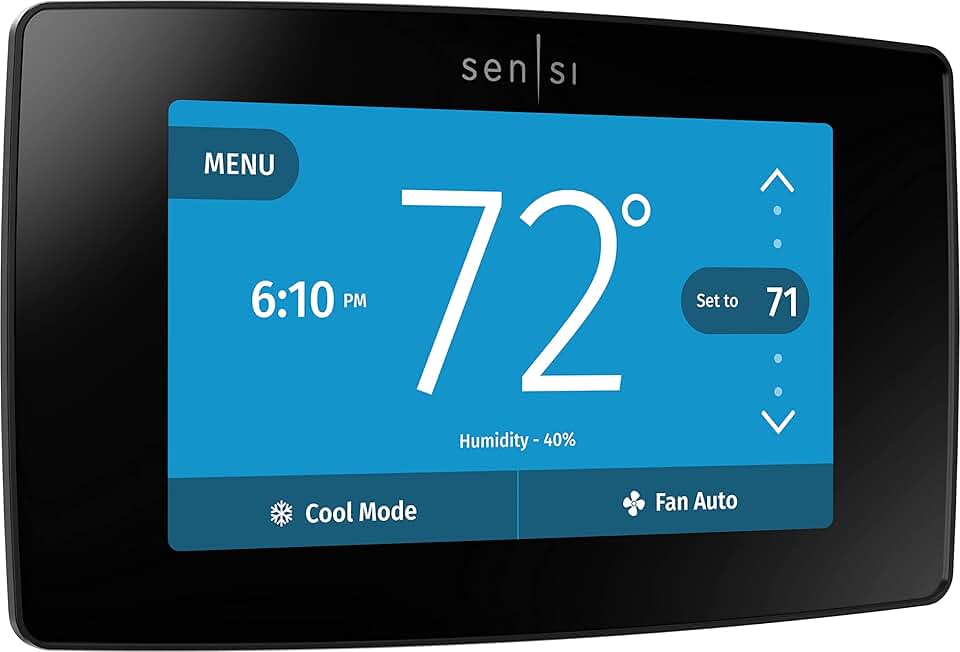
| Smart Thermostats & Controls | Individual room or whole-home | 1-3 years | Moderate (convenience) |
| High-Performance Windows | Selective or full replacement | 15-20 years | Moderate (curb appeal) |
Solar energy remains the top driver for resale value, especially when paired with home battery storage. Listings mentioning green features like solar are up 21% in many markets. Heat pumps offer the most significant reduction in carbon footprint and utility costs, though their higher upfront cost requires a longer hold period. Smart controls provide the fastest return on investment by optimizing existing systems. Window upgrades improve comfort and aesthetics but take longer to recoup costs through energy savings alone.
Inspect the expensive parts
The to Sustainable Home Upgrades works best as a clear sequence: define the constraint, compare the realistic options, test the tradeoff, and choose the path with the fewest hidden costs. That order keeps the advice usable instead of decorative. After each step, pause long enough to check whether the recommendation still fits the reader's actual situation. If it depends on perfect timing, unusual access, or a best-case budget, include a simpler fallback.

Plan for Ownership Costs
A home upgrade’s sticker price is only the entrance fee. The real cost is what you pay in maintenance, energy bills, and repairs over the next decade. A cheap heat pump might save money on heating, but if it needs a compressor replacement every five years, that savings evaporates. Similarly, low-voltage landscape lighting looks affordable until you realize the transformers fail in damp soil, requiring annual replacements.
Think of ownership costs like a subscription service for your house. You pay upfront, then pay monthly for upkeep. The goal is to find upgrades where the monthly bill drops enough to offset the maintenance fees. For example, a high-efficiency water heater has a higher upfront cost and may need anode rod checks, but the drop in your utility bill usually covers the difference within three to five years. A basic model might have zero maintenance needs, but the higher monthly energy drain makes it the more expensive choice over time.
Watch out for "maintenance traps." Some eco-friendly materials, like certain composite decking or natural stone floors, require specific sealants or cleaning products that are hard to find or expensive. If you skip the maintenance, the material degrades faster than standard alternatives. Always check the manufacturer’s warranty and local availability of replacement parts before buying. If the part is only available through a specialized contractor, your repair costs will spike.


As an Amazon Associate, we may earn from qualifying purchases.
When evaluating a purchase, ask: "How much will this cost me to keep running?" If the answer is more than the savings it generates, look for a different product. The cheapest option is rarely the most sustainable one in the long run.
Sustainable home upgrades 2026: what to check next
Before committing to a renovation, it helps to separate marketing buzzwords from actual market value. The 2026 landscape favors upgrades that lower operating costs and signal modern efficiency to buyers. Below are direct answers to the most common objections and planning questions.
No comments yet. Be the first to share your thoughts!