
Why AI assistant costs 2026 are rising
The era of predictable flat-fee subscriptions for AI assistants is ending. In 2026, enterprises are moving away from simple $20 or $70 monthly plans toward complex usage-based billing models that make budgeting difficult. Instead of a fixed line item, costs now depend on token volume, model selection, and infrastructure overhead.
Major platforms like GitHub are transitioning to credit-based systems, where users buy AI credits priced at roughly $0.01 each. This shift means that a tool previously costing a predictable monthly fee can now spike based on usage intensity. When an AI assistant costs $0.02 per token, the final bill is determined by how much you use it, not just whether you have an account.
This transition from fixed to variable pricing traps enterprises that underestimate their consumption. The initial low cost of entry often masks the long-term expense of high-volume interactions, leading to surprise invoices that far exceed traditional software licensing costs.
5 Hidden Costs of Chatbots You Can't Ignore
These AI assistants promise efficiency but often hide significant operational expenses beneath their user-friendly interfaces. We break down five specific, measurable costs—from data processing fees to integration overheads—that frequently derail budgets in the 2026 landscape.
-

Token consumption and API fees
Every user query triggers a billable token exchange, often exceeding initial estimates. As conversation context grows, the cumulative cost scales non-linearly, turning casual chats into significant operational expenses. Teams must monitor usage dashboards closely to prevent budget overruns from unoptimized prompt engineering or excessive memory retention. -
Integration and middleware complexity
Connecting chatbots to legacy databases requires robust middleware layers that introduce latency and maintenance overhead. These hidden infrastructure costs often surpass the software license itself, demanding specialized engineering hours to ensure secure, real-time data synchronization across disparate enterprise systems without compromising system stability or performance. -

Compliance and data privacy audits
Regulatory frameworks like HIPAA or GDPR mandate rigorous auditing of AI data handling, incurring substantial legal and compliance fees. Organizations must implement strict data governance protocols to prevent sensitive information leakage, often requiring third-party security assessments and continuous monitoring to maintain certification and avoid costly regulatory penalties. -
Custom model training and fine-tuning
Generic models often fail to capture niche industry nuances, necessitating expensive custom training runs. This process demands high-quality curated datasets and significant GPU compute resources, creating a steep upfront investment. Organizations must balance the performance gains against the recurring costs of retraining models as market conditions and data distributions evolve. -
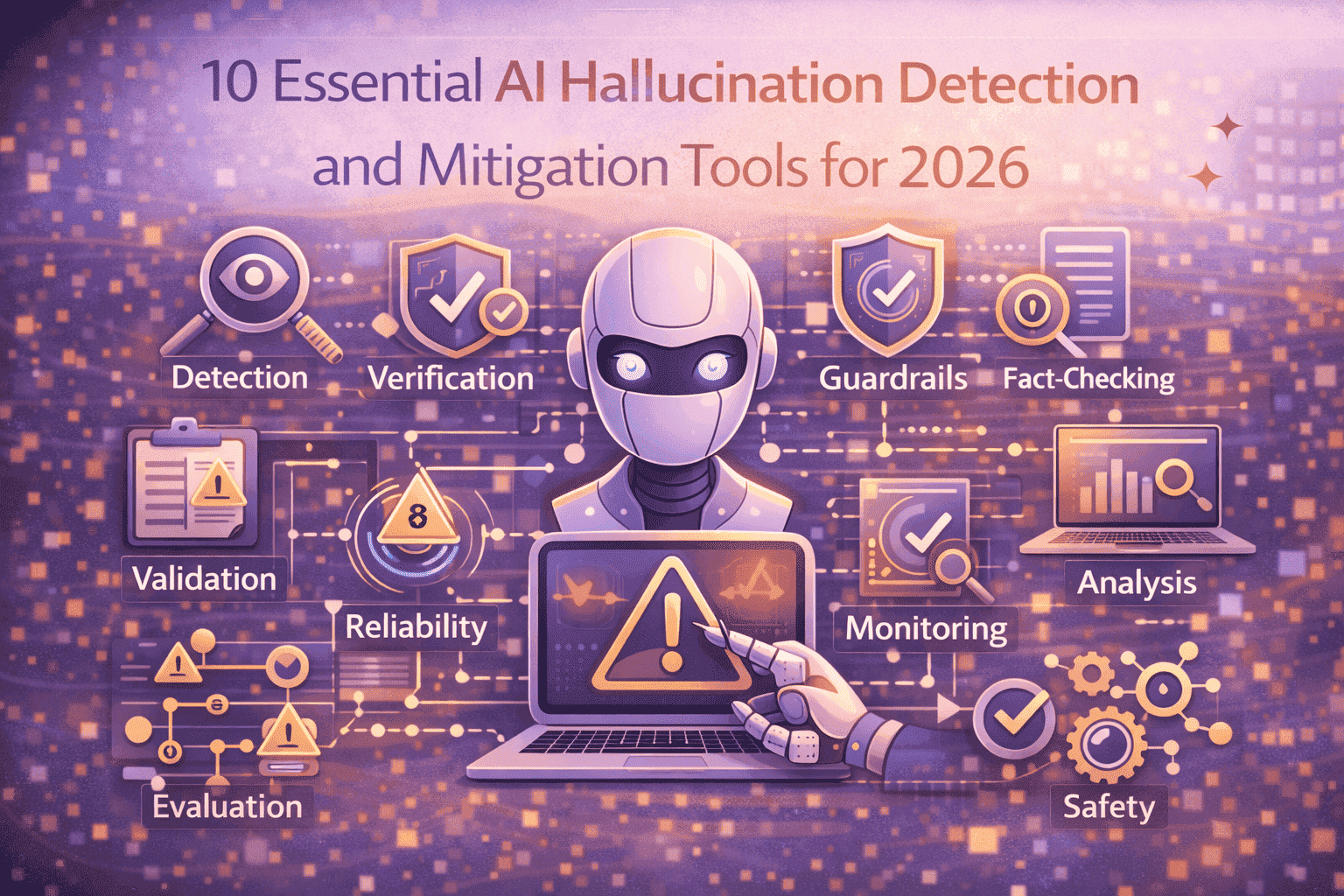
Ongoing maintenance and hallucination fixes
AI systems drift over time, requiring constant human-in-the-loop oversight to correct hallucinations and outdated information. This maintenance burden involves dedicated teams reviewing logs, updating knowledge bases, and refining safety filters, creating a perpetual operational cost that is frequently underestimated during the initial procurement and deployment phases.
Compare AI assistant costs 2026 side by side
Pricing structures for enterprise AI assistants have shifted significantly in 2026. Many platforms have moved away from flat per-seat licenses toward usage-based models or tiered feature sets. Understanding these differences is essential for accurate budget forecasting.
The table below benchmarks major assistants across base pricing, token costs, and integration requirements. Data reflects typical enterprise deployments for 100 users or standard usage tiers.
| Assistant | Base Price (100 Users) | Token / Usage Model | Key Integration Fee |
|---|---|---|---|
| Amazon Q Business (Pro) | $24,000 | Included | Connectors & AI assistant |
| Notion AI | $12,000 | Included | Notion only |
| GitHub Copilot | Variable | $0.01 per credit | Usage-based billing |

As an Amazon Associate, we may earn from qualifying purchases.
Frequently asked questions about AI assistant costs
How much does AI development cost in 2026?
The total price tag for a custom AI assistant ranges from $15,000 for a scoped proof of concept to over $1.5 million for a complex enterprise platform. This wide spread reflects the real costs of data integration, security compliance, and system architecture rather than arbitrary vendor pricing. The initial build is often just the starting point.
How much will an AI chatbot cost in 2026?
Building an AI chatbot typically costs between $5,000 and $300,000, depending on its complexity and intended use. The final price is driven by the language model selected, the scope of integrations with existing software, and any necessary custom training on proprietary data. SaaS solutions offer a faster entry but lack the flexibility of a custom build.
What are the hidden costs of AI chatbots?
Beyond the initial development fee, businesses must budget for ongoing maintenance, API usage fees, and specialized staffing. As models evolve, you will need to pay for retraining to keep responses accurate and relevant. Security audits and compliance checks also add to the total cost of ownership over time.
No comments yet. Be the first to share your thoughts!