
How AI home valuation 2026 models work
The shift from traditional comparables to machine learning algorithms is the defining change in AI home valuation 2026. Older automated valuation models (AVMs) relied heavily on recent sales of similar homes within a tight geographic radius. While this "sales comparison approach" worked well in stable, repetitive markets, it often failed to account for unique property features, shifting neighborhood dynamics, or rapid market fluctuations.
Modern AI valuation systems ingest vast, heterogeneous datasets to predict market value with greater precision. These models analyze not just square footage and bedroom count, but also real-time listing data, historical price trends, local economic indicators, and even satellite imagery of property conditions. By processing millions of data points simultaneously, machine learning algorithms identify complex patterns that human appraisers or simple statistical models might miss.
This approach allows for instant, data-driven estimates that adapt to market changes in real time. Instead of waiting for a physical appraisal or relying on stale public records, AI home valuation 2026 tools provide a dynamic snapshot of worth based on current market sentiment and granular property attributes.
The table below illustrates the evolution from static comparables to dynamic AI-driven analysis.
| Feature | Traditional AVM | AI Valuation 2026 |
|---|---|---|
| Data Sources | Recent sales, basic tax records | Real-time listings, economic indicators, imagery |
| Update Frequency | Weekly or monthly | Real-time |
| Unique Features | Poor handling | Advanced pattern recognition |
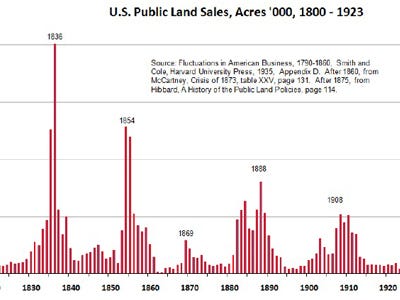
The following chart shows historical home price trends, reflecting the market conditions these AI models are designed to navigate.
Z represents Zillow Group, a leading provider of AI-driven real estate valuation tools.
What AI gets right in property pricing
Traditional appraisals rely heavily on recent sales of comparable properties and a visual inspection of the home's condition. While this method has served the industry for decades, it often misses the subtle, high-impact factors that drive modern buyer interest. AI home valuation 2026 models process far more than just square footage and bedroom counts. They ingest vast datasets that human appraisers simply cannot handle manually, from granular local amenity shifts to specific green energy features.
The most significant advantage of algorithmic valuation is the ability to quantify non-traditional data points. An AI model can instantly correlate a home's value with the proximity of new transit lines, changes in school district ratings, or the energy efficiency of its HVAC system. These micro-factors often account for a significant portion of a home's market premium, yet they are frequently overlooked in standard manual appraisals. By analyzing these variables, AI provides a more nuanced and objective picture of a property's true worth.
This deeper analysis reduces the subjectivity that can lead to valuation errors. When algorithms evaluate thousands of data points simultaneously, they identify patterns and correlations that remain invisible to the naked eye. This capability is particularly valuable in rapidly changing markets where traditional comparable sales data may lag behind current trends. The result is a valuation that reflects not just what a house sold for last year, but what it is worth today based on the full spectrum of its attributes.

| Traditional Appraisal Factors | AI Valuation Factors |
|---|---|
| Recent comparable sales (3-6 months) | Real-time market trends & liquidity |
| Visual inspection of condition | Sensor data & energy efficiency metrics |
| Square footage & bedroom count | Local amenity shifts & transit proximity |
| Manual data entry & human bias | Automated pattern recognition & objectivity |
Where algorithms miss the mark
AI home valuation 2026 models rely heavily on historical transaction data and standardized property features. While this approach provides speed, it often fails to capture the subtle nuances of local submarkets and unique home characteristics. Algorithms struggle to quantify the premium of a renovated kitchen that wasn't recorded in public records or the value of a mature, shaded backyard. This gap between data and reality can lead to significant mispricing, particularly in rapidly changing neighborhoods.
Consider the impact of micro-location. A home situated on a busy corner lot may have less value than an identical house on a quiet cul-de-sac, yet an algorithm might treat them as equal based on square footage and bedroom count. Similarly, views, noise pollution, and proximity to future development plans are rarely included in the datasets these models consume. Without human context, the digital estimate becomes a rough approximation rather than a precise valuation.
To mitigate these risks, treat AI estimates as a starting point for negotiation, not a final verdict. Cross-reference the digital number with a local comparative market analysis from a real estate professional who understands the specific quirks of your street. This hybrid approach combines the efficiency of technology with the nuanced judgment of local expertise, ensuring you don't leave money on the table or price your home out of the market.
Strategies for sellers using AI data
Sellers in 2026 can no longer rely on intuition alone to price their homes. AI home valuation 2026 models process thousands of data points—from square footage and lot size to recent comparable sales and even local school ratings—to generate estimates with startling speed. However, these algorithms are only as accurate as the data they ingest. If your property’s digital footprint is outdated or incomplete, the algorithm will undervalue your asset.
To ensure your home receives a fair valuation, you must actively manage the digital signals that drive these models. This involves verifying public records, curating high-quality visual data, and understanding how algorithmic bias can skew results. By preparing your home for AI scrutiny, you turn a passive pricing mechanism into a competitive advantage.
Before listing, pull your property’s public record from your county assessor’s office. AI models often rely on these datasets for core metrics like square footage, bedroom count, and lot size. If any data is incorrect—such as a finished basement being listed as unfinished—correct it immediately. An algorithm cannot "see" a renovation; it can only process the data it is given.
Computer vision is a critical component of modern AI valuation. Algorithms analyze photos to identify features like hardwood floors, granite countertops, and modern fixtures. Upload high-resolution, well-lit images that clearly showcase these upgrades. Blurry or dark photos may cause the AI to default to "average" or "below average" condition ratings, lowering your estimated value.
Create a digital log of all capital improvements made in the last five years. Include receipts, permits, and before-and-after photos for major projects like roof replacements, HVAC upgrades, or kitchen remodels. While not all AI platforms accept direct document uploads, providing this data to your listing agent ensures it is manually entered into the MLS and other data feeds used by valuation models.
AI models weigh neighborhood characteristics heavily, including school district ratings, crime statistics, and proximity to amenities. Verify that your property is correctly zoned and that nearby data points (like a new park or a closing business) are reflected in the datasets used by valuation tools. If your home is in a transitional area, provide context to your agent so they can highlight positive trends that algorithms might miss.
Duplicate listings or conflicting data across platforms (Zillow, Redfin, Realtor.com) can confuse AI models, leading to erratic valuation swings. Ensure your property is listed only once on major platforms and that all details are consistent. If you see errors, use the platform’s "suggest an edit" feature to correct them. Consistency builds trust with the algorithm, resulting in a more stable and accurate price estimate.
By treating your home’s digital profile as a critical asset, you align your property with the data-driven realities of the 2026 market. This proactive approach minimizes the risk of undervaluation and positions your home for a competitive, data-backed sale.
The goal is not to manipulate the AI, but to ensure it sees your home clearly. In an era where AI home valuation 2026 dictates market perception, accuracy is your strongest negotiating tool.
Tools to verify your home's value
Relying on a single algorithm is like checking the weather with one thermometer. To get a reliable AI home valuation 2026 estimate, cross-reference at least two or three platforms. Different tools use different data sets—some prioritize recent sales, while others weigh neighborhood trends or visual property features.
The market is shifting rapidly. As AI models become more sophisticated, their accuracy improves, but so does the variance between providers. A Zestimate might differ significantly from a Redfin estimate or a Homesage AI valuation. Using multiple sources helps you spot outliers and build a realistic price range rather than a single, potentially misleading figure.
When comparing tools, look beyond the headline number. Check the margin of error or confidence score if provided. Some platforms offer detailed breakdowns of comparable sales (comps) or recent renovations that influenced the value. This transparency helps you understand why the algorithm arrived at that number, giving you more leverage during negotiations or refinancing discussions.
For those looking to deepen their understanding of how these algorithms work, certain guides can provide context on the data science behind the scenes. These resources often explain the variables that matter most, such as location granularity and data freshness, which are critical for accurate AI-driven property assessments.



As an Amazon Associate, we may earn from qualifying purchases.
Frequently asked questions about AI valuations
The intersection of artificial intelligence and real estate has created a volatile but transparent market in 2026. Below are the most common questions regarding price stability and future projections.
No comments yet. Be the first to share your thoughts!