
Why 2026 changes the smart home math
The smart home of 2026 has stopped waiting for your commands. For years, automation meant opening an app to turn off lights or adjusting a thermostat after you’d already left the house. This year, the shift is toward predictive efficiency, where devices learn your patterns and act before you notice a waste of energy.
AI-powered automation is no longer a niche feature; it is the foundation of modern home efficiency. Homes now use sensors to understand presence, light levels, and temperature gradients automatically. This means your smart thermostat doesn't just follow a schedule; it learns when you sleep, when you leave for work, and how your specific house retains heat, then adjusts itself to minimize utility bills without manual input.
This change directly impacts your wallet. By eliminating the "set it and forget it" inefficiencies of older smart devices, 2026 models focus on reducing energy waste in real-time. A smart lighting system that dims rooms based on natural light and occupancy, or a security camera that only records when movement is detected, translates directly into lower monthly costs. The value of these devices is no longer just convenience—it's measurable savings.
As these systems become more integrated, the distinction between "smart" and "standard" appliances blurs. The devices that actually save money are those that operate silently in the background, making micro-adjustments to HVAC, lighting, and power usage that add up to significant annual reductions in energy consumption.
The brain: Hubs and ecosystems
Your smart home is only as reliable as the system coordinating it. In 2026, the best automation happens locally. When your hub processes commands on your own network, your lights respond instantly and your security cameras keep recording even when the internet goes down. This local processing is the primary driver for cutting energy bills through precise, uninterrupted automation.
The leading platforms have converged around Matter, an open standard that lets devices from different brands talk to each other. However, the underlying architecture still matters. Some ecosystems prioritize ease of use with cloud-based AI, while others offer deeper control for users who want to script complex energy-saving routines without waiting for a server response.
Here is how the major platforms compare for a 2026 setup focused on reliability and interoperability.
| Platform | Processing | Matter | AI Energy Features |
|---|---|---|---|
| Home Assistant | Local-first | Full | Advanced local scripts |
| Samsung SmartThings | Cloud + Edge | Strong | Automated schedules |
| Amazon Alexa | Cloud | Good | Routine-based |
| Google Home | Cloud | Good | Thermostat integration |
Home Assistant remains the gold standard for local processing. It runs on your own hardware, meaning your automations don't break when your ISP has an outage. This reliability is critical for energy management; if your AI-driven thermostat or smart plug automation goes offline, your home starts wasting power immediately.
Samsung SmartThings offers a balanced approach. It supports Matter natively and has added edge processing for critical devices, bridging the gap between cloud convenience and local speed. For most users, this hybrid model provides enough reliability without the technical overhead of running a dedicated server.
Amazon Alexa and Google Home are improving but still rely heavily on cloud processing. While they have integrated Matter support, complex automations can suffer from latency or fail during outages. They are best suited for users who prioritize voice control and simplicity over granular, locally-executed energy savings.
Smart thermostats that cut energy bills
A smart thermostat is the single most effective upgrade for reducing heating and cooling costs. Unlike basic programmable models, modern AI-driven units learn your daily habits and adjust temperatures automatically. This means your HVAC system runs only when necessary, eliminating the waste from empty houses or overnight heating.
The highest return on investment comes from devices that combine machine learning with precise sensor data. These systems detect occupancy, outdoor weather changes, and even humidity levels to optimize comfort without spiking your utility bill.


As an Amazon Associate, we may earn from qualifying purchases.
These devices pay for themselves within two heating or cooling seasons. By eliminating manual adjustments and preventing energy waste, they provide consistent savings that compound year after year.
4. Smart plugs and bulbs to kill phantom loads
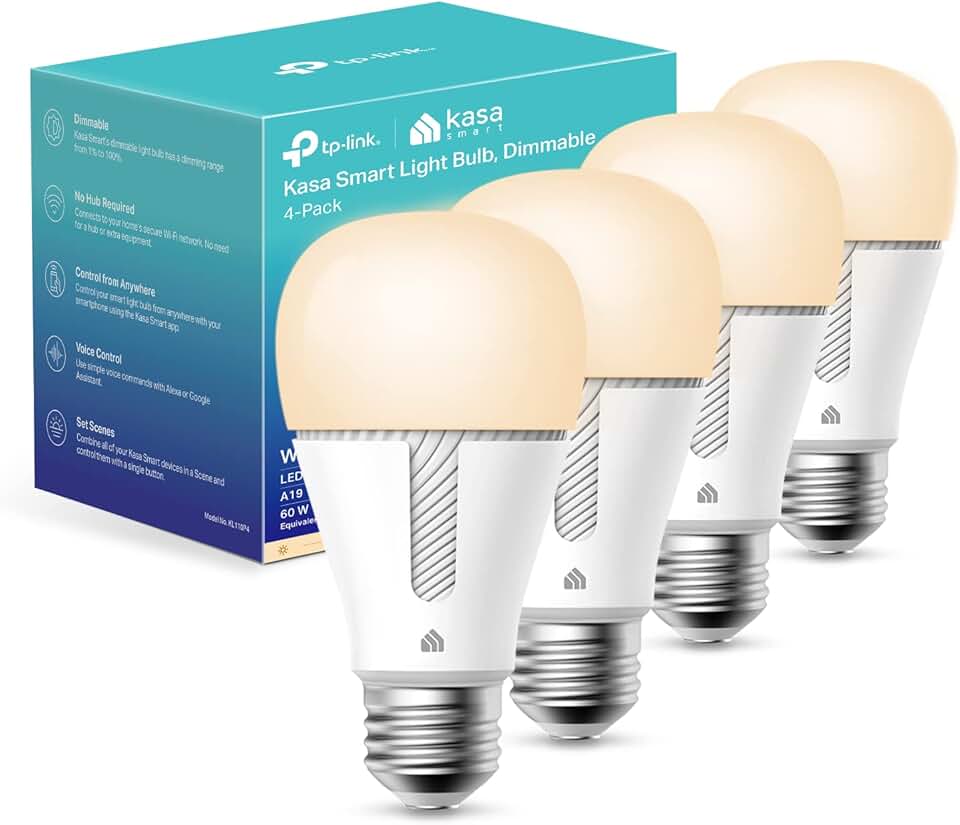
Standby power, or "phantom load," accounts for up to 10% of residential electricity use. Most TVs, gaming consoles, and office equipment draw power even when turned off. Smart plugs and bulbs solve this by cutting power at the outlet or dimming lights when rooms are empty.
How automation saves money
Traditional timers are rigid; they cut power on a schedule regardless of whether anyone is home. Smart plugs use occupancy sensors or integration with other devices to detect activity. If the TV is off for two hours, the plug cuts power to the soundbar and console. This eliminates the "vampire power" drain without manual intervention.
Lighting automation works similarly. Instead of leaving hallway lights on all night, smart bulbs dim or turn off after a set period of inactivity. Over a year, these small reductions add up to significant savings on your monthly bill.
Recommended devices
These devices focus on reliability and energy monitoring rather than flashy features. Look for plugs with built-in wattage meters so you can track exactly how much energy your entertainment center wastes.


As an Amazon Associate, we may earn from qualifying purchases.
Sensors that automate the savings
The shift from voice commands to invisible automation is driven by mmWave and occupancy sensors. These devices act as the nervous system of a smart home, detecting presence with enough precision to adjust lighting and climate without you lifting a finger. This "set it and forget it" approach eliminates the human error of leaving lights on or HVAC running in empty rooms.
Traditional passive infrared (PIR) sensors struggle when you sit still reading or working, often triggering false "vacancy" shutoffs. mmWave technology uses radio waves to detect micro-movements, ensuring lights stay on while you’re focused but turning off the moment you leave. This precision prevents the "light hunt" and stops energy waste from over-illumination.
When paired with smart thermostats, these sensors create a dynamic energy profile. Instead of heating or cooling an entire house on a timer, systems like the Aqara FP2 or Philips Hue MotionSensor target only occupied zones. This localized control can reduce HVAC runtime by 15-20% annually, directly lowering utility bills while maintaining comfort.


As an Amazon Associate, we may earn from qualifying purchases.
The result is a home that learns your habits and adjusts automatically. You stop thinking about switches and start enjoying the savings from reduced energy consumption. As Forbes notes, the best automation in 2026 is the kind your house already knows you want.
Build your energy-saving stack
Start with the devices that deliver the fastest return on investment. You don’t need to automate your entire house at once; focus on the "energy hogs" first. By layering smart hardware with AI-driven automation, you let the system handle the heavy lifting of reducing waste.
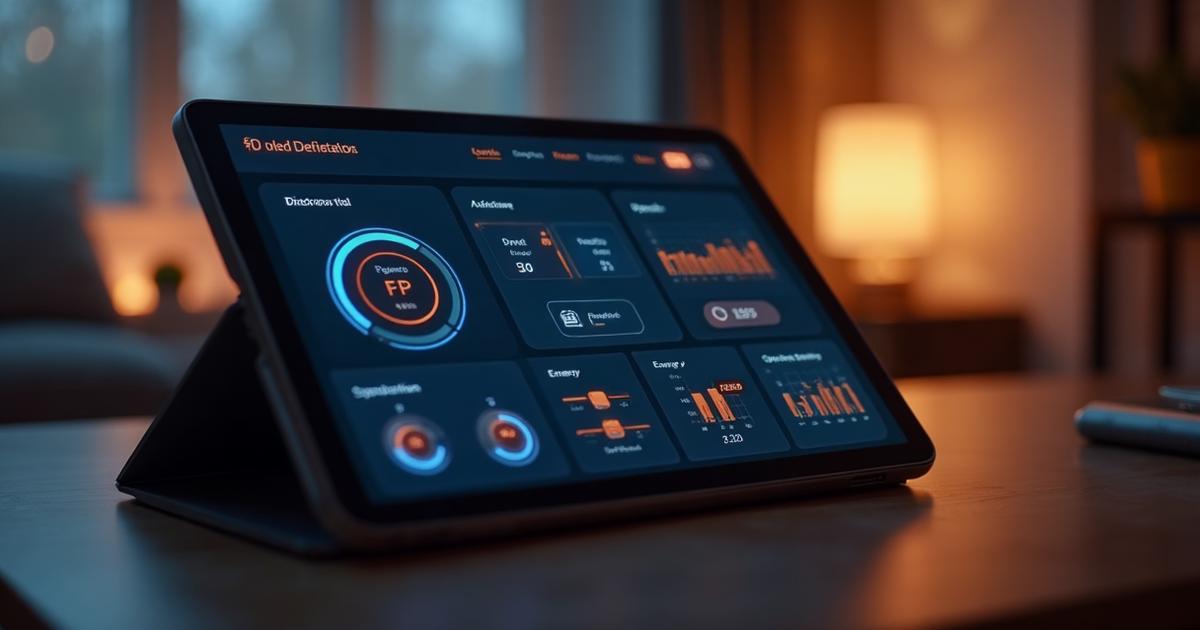
Before buying anything, identify where your money leaks. Look for devices that run 24/7 or are frequently left on. This baseline tells you which upgrades will actually lower your bill rather than just adding features.
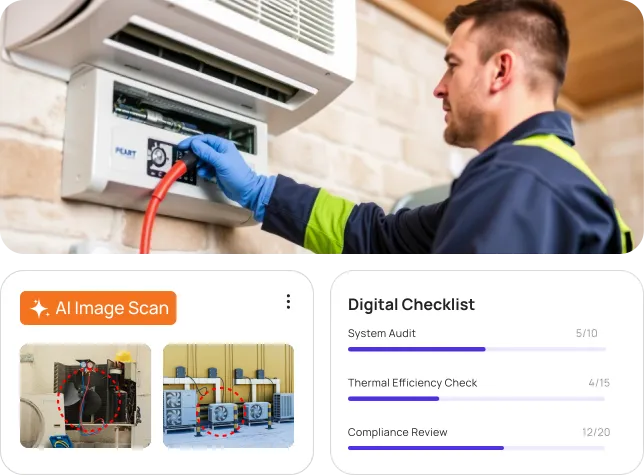
Heating and cooling usually account for the largest portion of energy spend. A smart thermostat learns your schedule and adjusts temperatures automatically. In 2026, AI models predict occupancy with high accuracy, ensuring you aren’t heating or cooling an empty house.
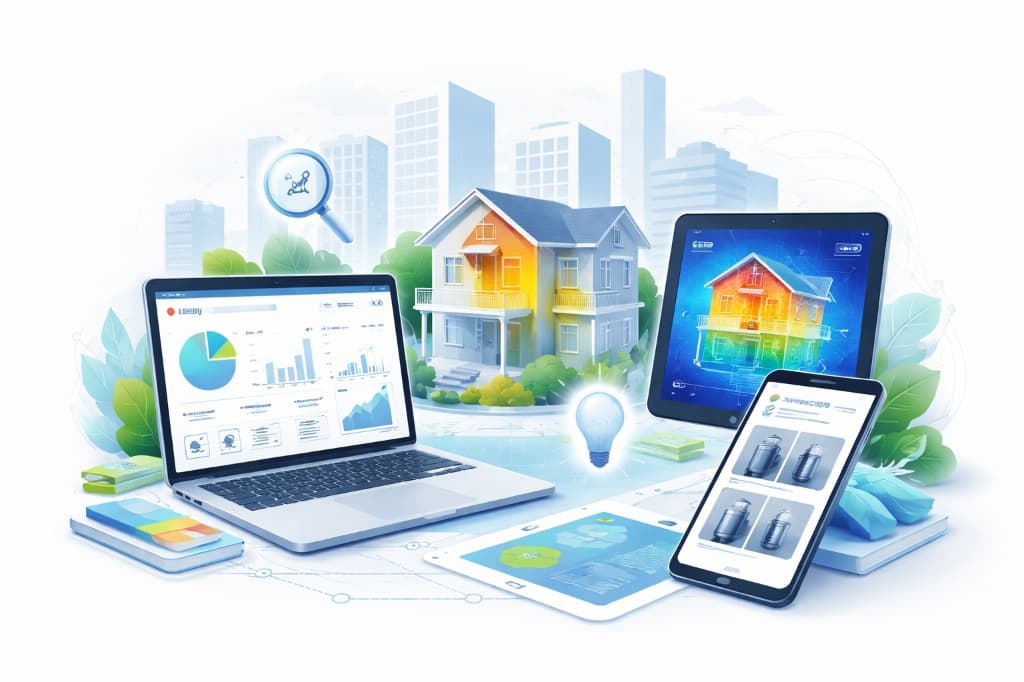
Standby power, or "vampire energy," drains electricity from TVs, computers, and gaming consoles even when they’re off. Smart power strips cut power to peripherals when the main device is turned off. This simple switch eliminates phantom loads without you having to unplug anything manually.
Replace high-usage bulbs with smart LEDs that dim or turn off based on presence. Unlike motion sensors that miss people, mmWave sensors detect subtle movements like typing or breathing. This ensures lights only run when someone is actually in the room.
As an Amazon Associate, we may earn from qualifying purchases.
In 2026, the best systems don’t just respond to commands; they predict needs. AI analyzes weather forecasts, your calendar, and historical usage to pre-cool or pre-heat your home efficiently, shaving off noticeable percentages from your monthly energy bill.
Common Smart Home Setup Mistakes
Even the best devices fail if the foundation is shaky. Many users abandon their systems within months because of preventable errors in planning and configuration. Addressing these pitfalls early ensures your investment actually works.
Over-Reliance on Cloud Connectivity
Connecting every device to the cloud creates single points of failure. If your internet drops, your smart locks, cameras, and thermostats may become useless. Prioritize local processing for critical security and automation tasks. Devices like the Amazon Echo Hub or local Z-Wave hubs can maintain core functions without an active internet connection.
Poor Wi-Fi Placement and Overcrowding
A weak signal is the most common cause of smart home frustration. Placing a router in a basement or far from the main living area creates dead zones where sensors and lights disconnect. Use a mesh Wi-Fi system like Google Nest WiFi or Eero to ensure consistent coverage. Avoid cramming too many devices onto a single 2.4GHz band; spread them across 5GHz where possible to reduce congestion.
Over-Complicating Automations
Complex routines with multiple conditions often break or confuse users. Start with simple triggers: "If motion is detected after sunset, turn on hallway lights." Avoid chaining five or more actions together initially. As you become comfortable, you can add more sophisticated logic.
Ignoring AI Energy Savings
One of the biggest benefits of modern smart homes is energy reduction. AI-powered automation learns your habits and adjusts settings accordingly. For example, an AI thermostat like the Ecobee Smart Thermostat can detect when you leave the house and lower the temperature, then warm the home before you return. This specific type of adaptive automation can reduce HVAC energy bills by up to 15-20%, directly offsetting the cost of your devices.
No comments yet. Be the first to share your thoughts!