
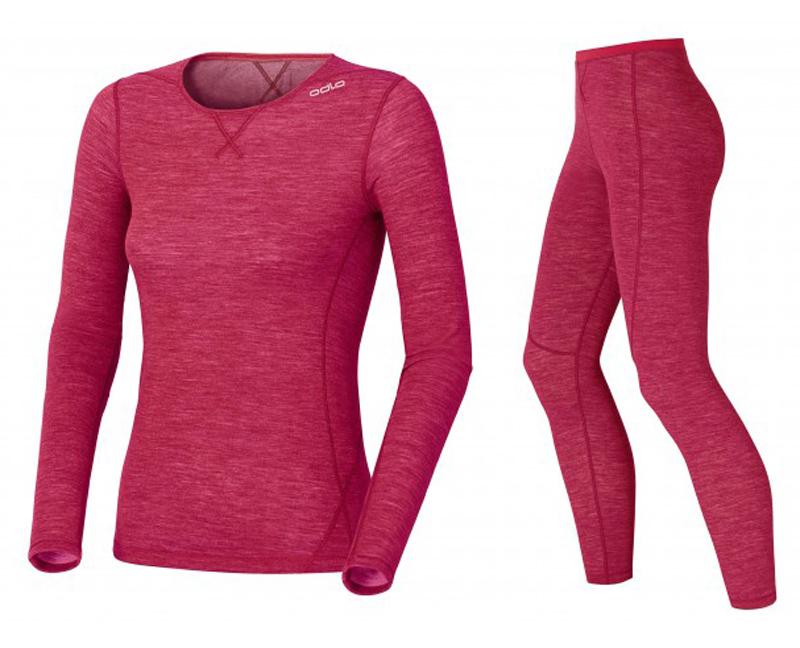
Smart base layers 2026
The 2026 smart base layer market is shifting from novelty gadgets to practical performance tools. Recent testing from CleverHiker and Outdoor Gear Lab highlights a clear trend: consumers are prioritizing durable, natural fibers like merino wool over synthetic fabrics with embedded electronics that fail after a few washes. The "smart" label now mostly refers to advanced moisture-wicking finishes and ergonomic fits driven by 3D body scanning, rather than Bluetooth connectivity or heart-rate monitoring in the fabric itself.
This evolution aligns with the 26-degree dressing rule, which suggests layering is most effective when tailored to precise, individual comfort zones rather than generic temperature brackets. By 2026, the best base layers are those that adapt to your body’s microclimate without adding bulk. The 3-layer rule remains the standard for winter adventures, but the base layer’s role has become more specialized. It is no longer just about warmth; it is about managing sweat and fit to prevent the chilling effect of dampness.
For everyday use, the focus is on seamless construction and odor resistance. The top-rated options this year blend merino wool with recycled synthetics to balance comfort with longevity. While AI-driven fit algorithms help brands predict sizing more accurately, the most important check remains the hand-feel and stretch recovery of the material. As the industry matures, the distinction between "smart" and "standard" base layers is blurring, with performance becoming the primary differentiator.
Smart base layers 2026 choices that change the plan
Choosing a smart base layer in 2026 means balancing connectivity against comfort and cost. The market has shifted from novelty sensors to practical, integrated fabrics that monitor metrics without bulk. However, these advancements introduce specific tradeoffs regarding durability, maintenance, and price.
When evaluating options, consider how the technology affects the garment’s core function. A base layer’s primary job is moisture management and temperature regulation. If a smart fabric compromises breathability or adds unnecessary weight, it fails as a base layer, regardless of its data accuracy.
The following table breaks down the key factors to weigh when comparing 2026 models. Use this to filter choices based on your priority: is it data precision, longevity, or ease of care?
| Factor | Smart Fabric | Traditional Base Layer | Why It Matters |
|---|
Beyond the table, consider your actual use case. If you are training for high-intensity events, the data from smart fabrics like those from Hexoskin or Sensoria can provide actionable feedback. For everyday warmth or casual hiking, traditional merino wool remains the superior choice due to its odor resistance and lower maintenance.
The 2026 landscape also includes hybrid options. Some brands now offer "smart-ready" layers with conductive threads that can connect to external sensors, offering flexibility without committing to a fully integrated system. This approach balances the tradeoffs by keeping the garment durable while allowing you to add technology as needed.
When shopping, look for explicit wash instructions from the manufacturer. Ignoring these is the most common cause of smart fabric failure. Treat these garments like electronics, not just clothing, and they will serve you well through the season.
How to choose the right base layer for 2026
Selecting a base layer has shifted from simple warmth to managing microclimates. With smart fabrics and AI-driven fit becoming standard, the goal is no longer just insulation, but precise moisture management and comfort across varying activity levels. This section breaks down the decision framework into actionable steps, drawing on recent testing from CleverHiker and Outdoor Gear Lab to guide your selection.
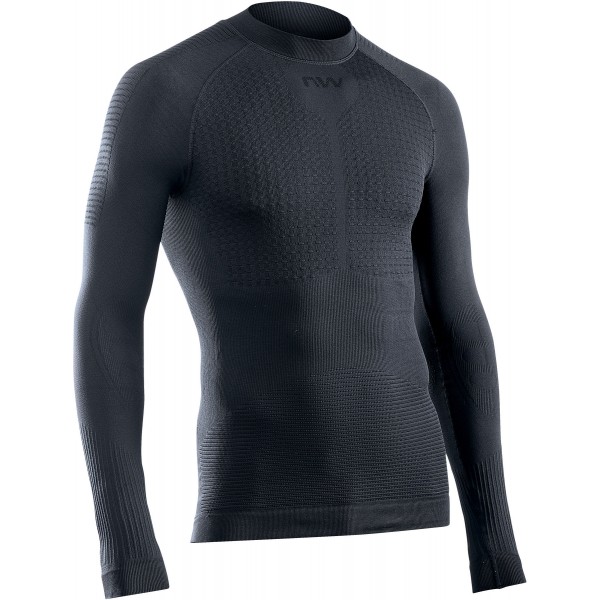
High-intensity activities like running or skiing demand synthetic fabrics (polyester or nylon) that wick sweat rapidly. Merino wool is better suited for low-to-moderate intensity or static warmth, as it retains heat even when damp but dries slower than synthetics. Match the fabric to your sweat rate, not just the temperature.
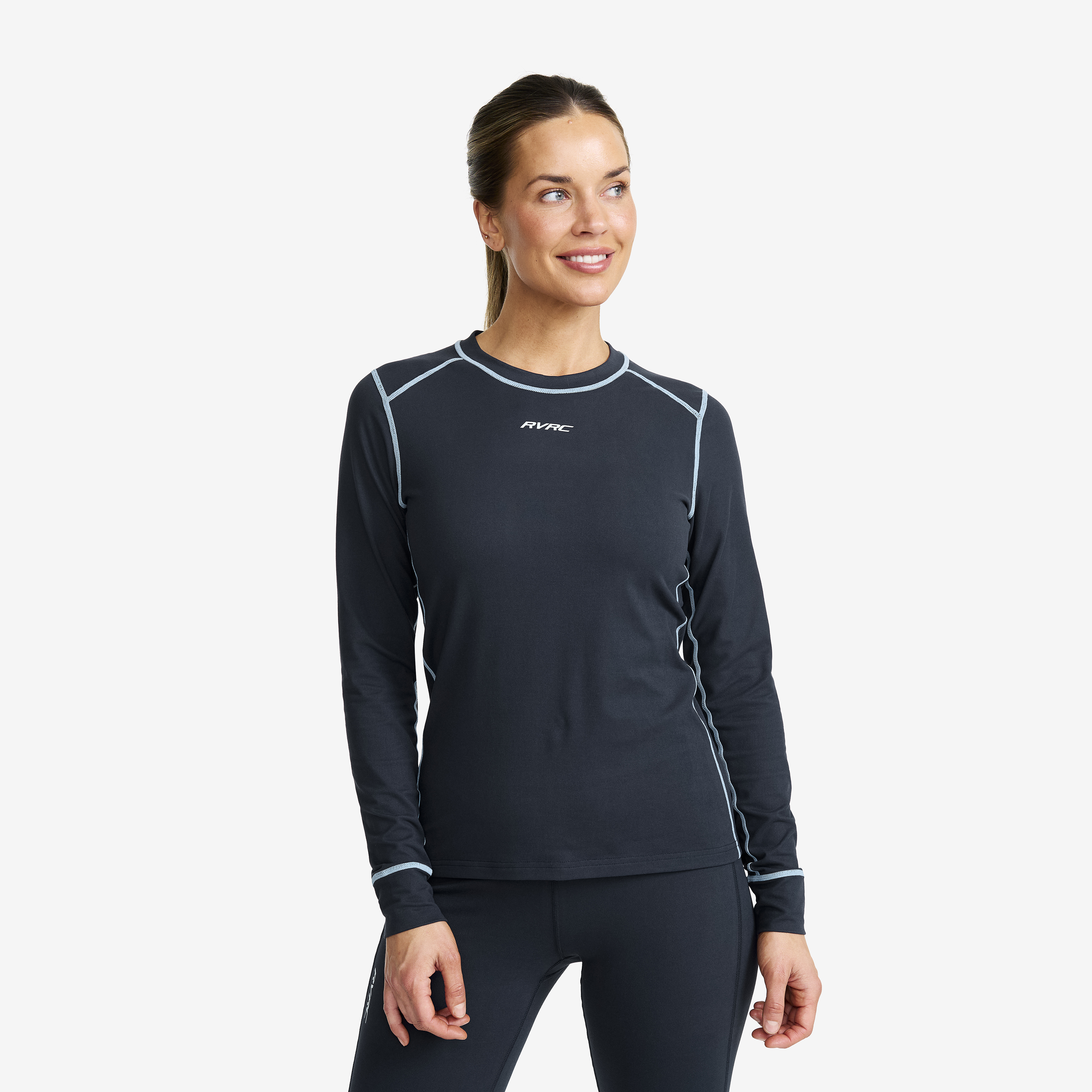
Traditional sizing often leads to bunching or restricted circulation. Many 2026 models now incorporate AI-driven fit algorithms that adjust compression zones based on body geometry. Look for brands offering virtual try-ons or body-scan sizing to ensure the layer sits flat against the skin without gaping at the cuffs or neck.
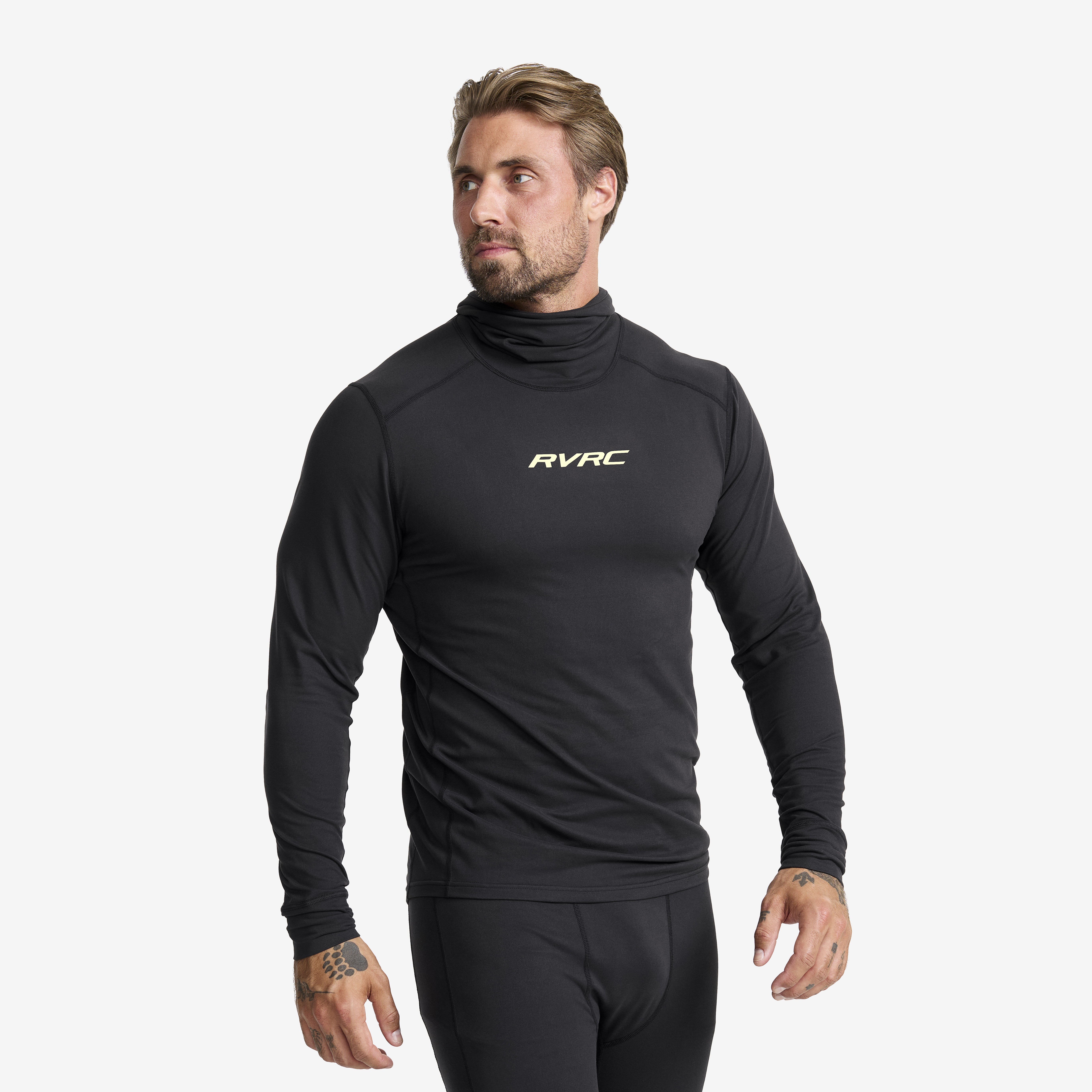
If you track biometrics, prioritize base layers with embedded sensors for heart rate or temperature. Ensure these components are washable and durable. For non-tracking users, "smart" simply means phase-change materials or thermoregulating weaves that adapt to body heat without electronic components.
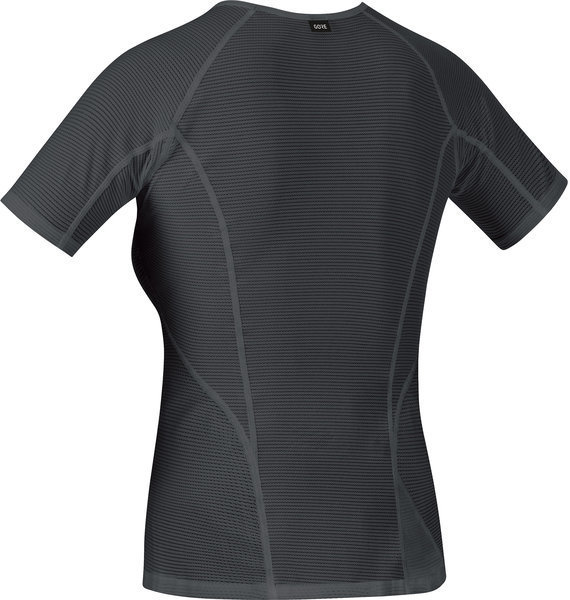
The base layer is the first of three layers: base (moisture management), middle (insulation), and outer (shell/protection). A 2026 base layer must not add bulk. If it feels thick, it will compromise the effectiveness of your middle and outer layers. Test it under your typical mid-layer to ensure no compression occurs.
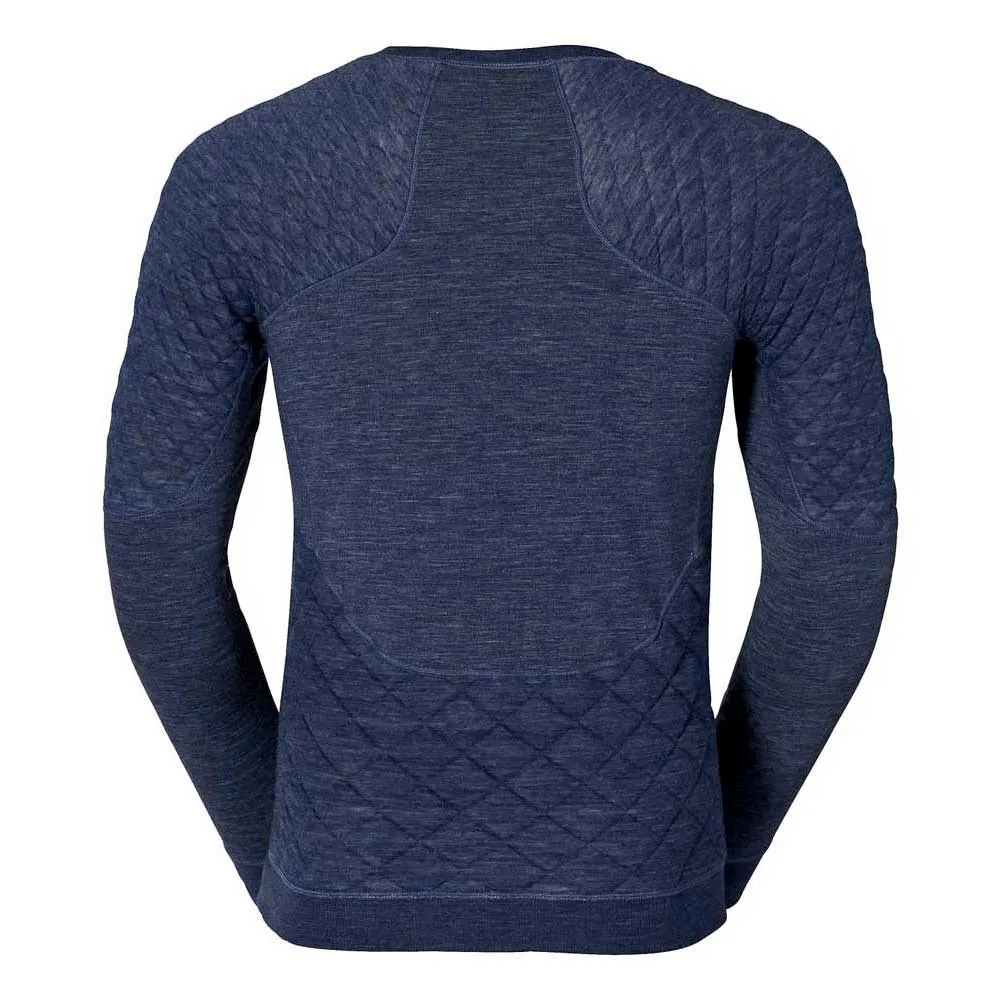
Smart fabrics often require specific care. Check if the garment is machine washable on cold or requires hand washing. Durable base layers maintain their wicking properties after 50+ washes. Avoid products with complex electronic care instructions unless you are committed to the maintenance routine.
Avoiding Misleading Claims in Base Layer Marketing
The 2026 base layer market is crowded with vague performance metrics. Shoppers often encounter products claiming "AI-driven fit" or "smart fabric" without clear definitions. These terms are frequently marketing placeholders rather than technical specifications. When evaluating a base layer, look for concrete data: fiber composition percentages, thread counts, and verified moisture-wicking test results. If a product description relies on buzzwords instead of material science, it is likely overpriced for its actual utility.
Another common mistake is ignoring the specific activity context. A base layer designed for high-intensity running will fail if used for static winter hiking due to breathability differences. The "three layer rule"—base, middle, and outer—requires each layer to serve a distinct function. The base layer must manage moisture; it should not insulate heavily. Many consumers mistakenly buy thick, wool-heavy base layers for active pursuits, leading to sweat accumulation and chilling. Always match the fabric weight and weave to your expected exertion level.
Be skeptical of universal temperature guides like the "26-degree dressing rule." This heuristic suggests adding layers to reach a total thermal resistance of 26°C, but it ignores individual metabolic rates and environmental wind factors. Such simplified rules can lead to under-dressing in windy conditions or overheating in humid climates. Instead of relying on rigid formulas, prioritize adjustable layering systems that allow you to add or remove insulation quickly. This flexibility provides better comfort than any single "smart" fabric can guarantee on its own.
Smart base layers 2026: what to check next
Smart fabrics and AI-driven fit are shifting how we manage comfort, but practical questions remain about layering and temperature. Here are the answers to the most common queries readers have before buying.
No comments yet. Be the first to share your thoughts!