
Merino wool versus synthetic fabrics
Choosing between merino wool and synthetic base layers comes down to one decision: how you plan to wear them. Merino wool excels at odor resistance and temperature regulation, making it the superior choice for multi-day trips or cold, static days where you won't be sweating heavily. Synthetics, on the other hand, prioritize durability and rapid drying, handling high-intensity sweat or wet conditions with ease.
Merino wool is a natural fiber that regulates heat by trapping air in its crimped structure. It also possesses inherent antimicrobial properties, meaning it resists odors far better than synthetic polyester or nylon. This makes merino ideal for travel, backpacking, or any scenario where you cannot wash your gear daily. However, merino is generally less durable than synthetics and takes longer to dry when saturated.
Synthetic fabrics are engineered for performance under pressure. They wick moisture away from the skin and dry incredibly fast, which is critical during high-intensity sweat or wet conditions. They are also more abrasion-resistant and typically cost less than high-quality merino. The trade-off is odor retention; synthetics tend to hold onto body smells after a few hours of wear unless treated with specialized antimicrobial coatings.
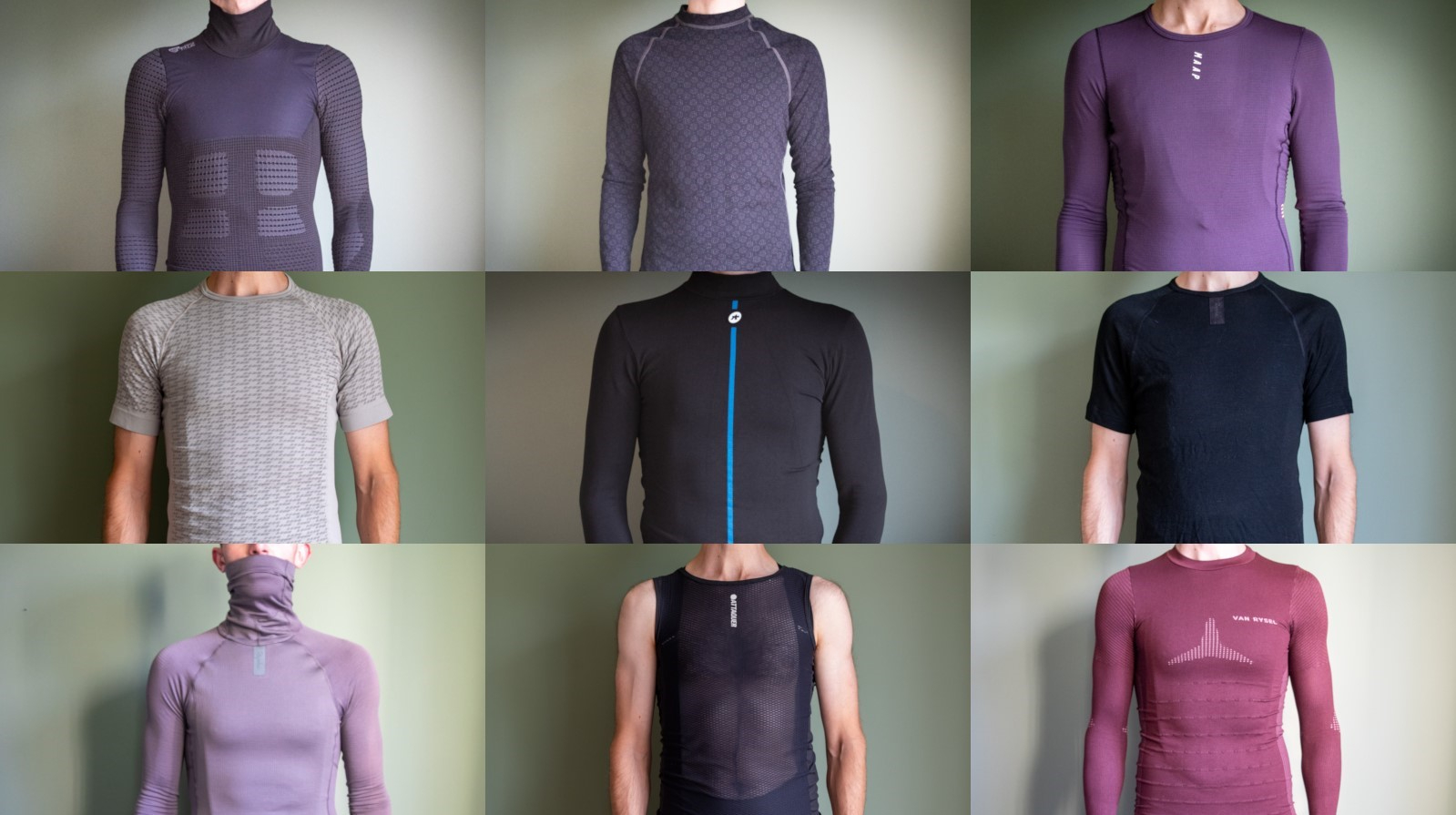
For 2026, both categories have evolved. Merino blends now include small percentages of elastane for better fit and durability, while synthetics are becoming lighter and softer to mimic the comfort of natural fibers. Your choice should depend on your primary activity: if you value comfort and longevity over many days, lean toward merino. If you need gear that dries instantly and survives rough handling, synthetic is the practical pick.
Best base layers for 2026 compared
Choosing the right base layer means balancing warmth, weight, and breathability. We tested the top contenders across multiple price points and material types to identify the strongest performers for 2026. The following comparison highlights the distinct advantages of merino wool and synthetic fabrics, helping you match the right gear to your activity level and expected conditions.
Synthetic options like the Arc'teryx Rho LT prioritize rapid moisture wicking and quick drying times, making them ideal for high-intensity aerobic activity where sweat management is critical. Merino wool variants, such as the Smartwool and Icebreaker models, offer superior temperature regulation and natural odor resistance, allowing for longer wear between washes during multi-day trips or lower-intensity pursuits.
Top merino wool base layers
Merino wool remains the gold standard for base layers because it balances moisture management with natural odor resistance. Unlike synthetic fabrics that trap smells after a single day of activity, merino fibers can be worn multiple times before washing without developing a distinct odor. This makes it ideal for multi-day backcountry trips or travel where laundry facilities are scarce.
When selecting a merino base layer, focus on micron count and fabric weight. Lower micron counts (17.5–19.5 microns) offer superior softness against the skin, while higher counts (20–21 microns) provide greater durability. Weight determines warmth: 150g for high-output activities, 200g for general cold-weather use, and 250g+ for static or extreme cold.
Smartwool Merino 250
Smartwool’s Merino 250 is a heavyweight option designed for static warmth or low-output activities in freezing conditions. It uses 100% merino wool with a brushed interior that traps heat effectively. The fabric is dense enough to resist pilling over time, making it a durable choice for winter camping or ski touring where you spend significant time stationary.
Teton Sports Celsius
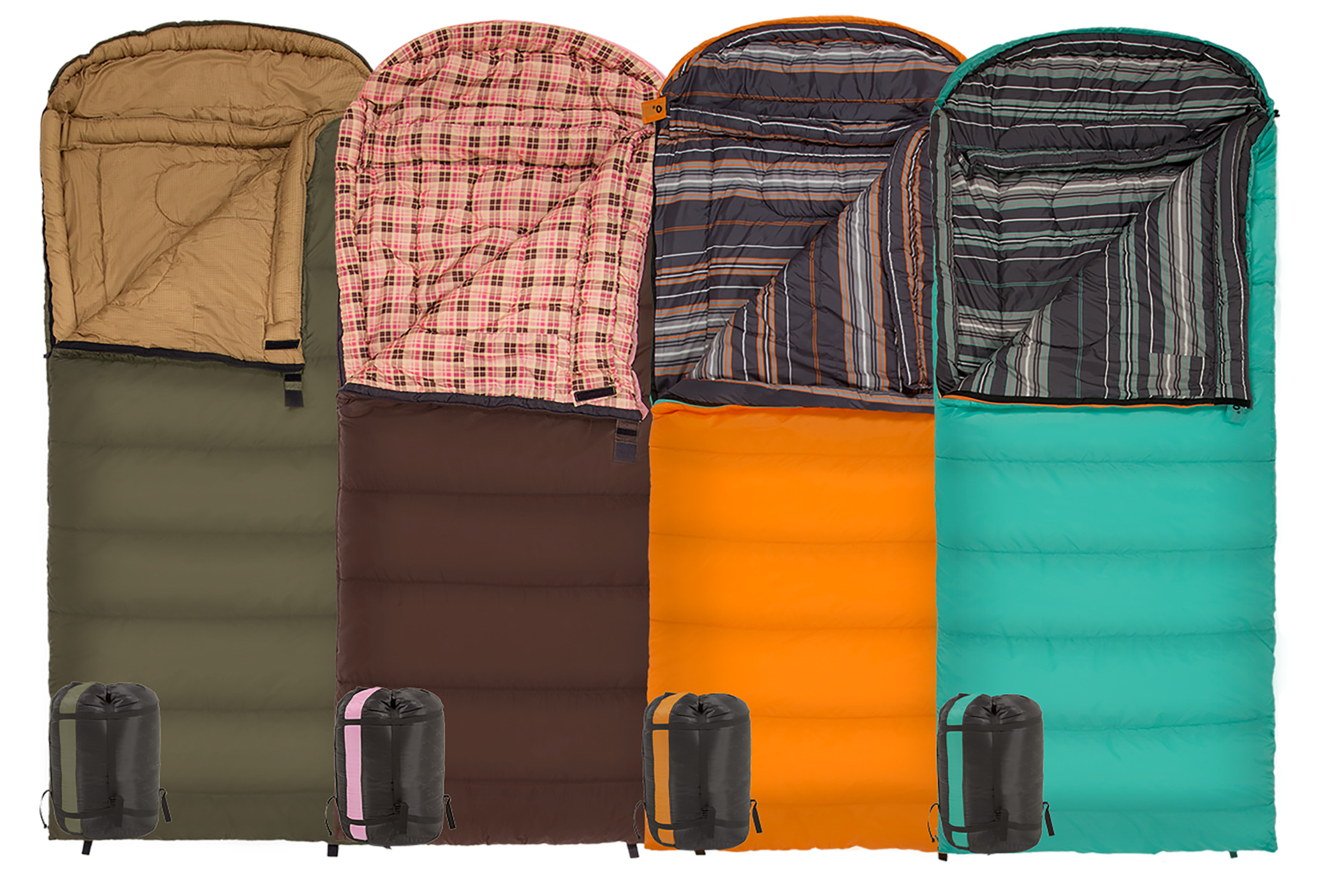
Teton Sports Celsius offers a budget-friendly alternative using 100% merino wool at a 200g weight. It features reinforced seams in high-stress areas to prevent tearing during heavy pack use. While slightly less soft than premium brands, it provides excellent value for casual hikers or those new to merino wool.
Icebreaker Oasis 200
Icebreaker’s Oasis 200 strikes a balance between warmth and breathability. It uses 100% merino wool with a ZQ-certified supply chain, ensuring ethical sourcing. The fabric is thin enough for layering under a shell jacket but warm enough for cool-weather running or hiking. Its seamless construction reduces chafing during long-distance activities.
Kari Traa Rose Longsleeve
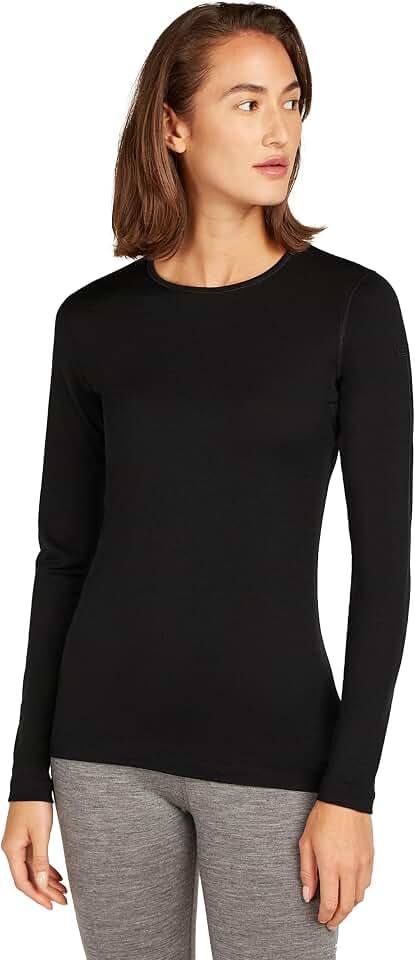
The Kari Traa Rose Longsleeve is a 100% merino base layer that is comfortable, warm, and durable. It's thin enough to layer without restricting movement, making it suitable for trail running or ski touring. The fabric wicks moisture efficiently and dries quickly, even in humid conditions.


As an Amazon Associate, we may earn from qualifying purchases.
Best synthetic base layers for sweat
Synthetic fabrics remain the workhorses of the base layer world. They dry faster than merino wool and cost less, making them ideal for trail running or climbing in wet climates. While they may retain odor more quickly, modern synthetic blends have improved significantly in durability and moisture management.
Top Synthetic Picks
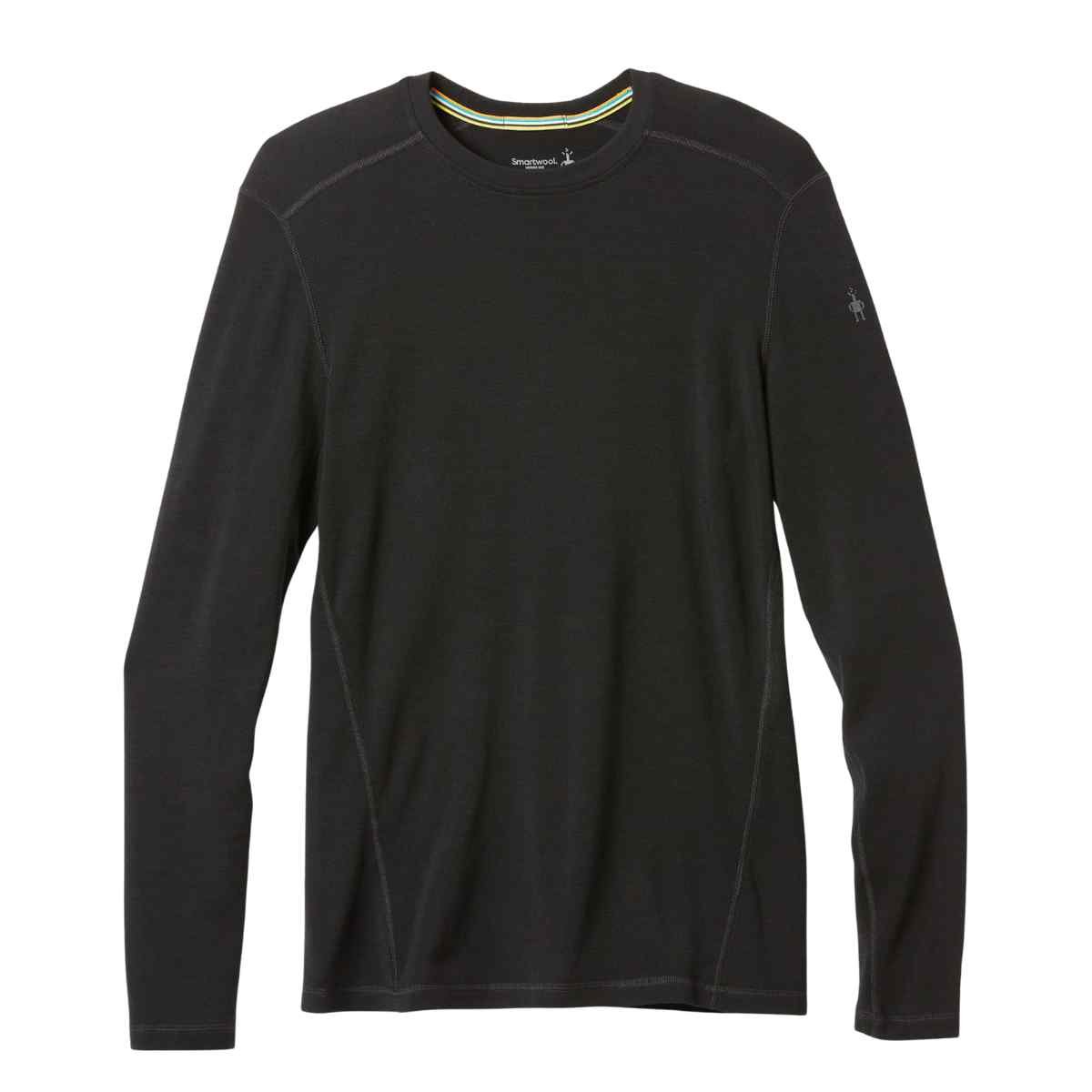
Smartwool Classic Thermal Although Smartwool is known for wool, their Classic Thermal line often incorporates synthetic blends for durability and cost-effectiveness. These layers offer excellent moisture wicking and are built to withstand frequent washing without losing their shape. They are a solid choice for those who want synthetic performance with a touch of natural fiber comfort.
Arc'teryx Rho LT Crew The Arc'teryx Rho LT Crew is a standout for its highly moisture-wicking properties and lightweight construction. It is designed to keep you dry during intense efforts, making it a favorite among runners and climbers. The fabric is durable and dries incredibly fast, even in humid conditions.
Outdoor Research Transcend Outdoor Research's Transcend base layer offers a balance of warmth and breathability. It is made from a synthetic blend that wicks sweat away from the skin efficiently. This layer is versatile enough for both active pursuits and casual wear, providing reliable performance in various weather conditions.


As an Amazon Associate, we may earn from qualifying purchases.
How to pick the right weight
Base layer weight dictates your thermal range. Think of it as the insulation layer in your clothing system: too light, and you shiver; too heavy, and you overheat. The right choice depends on your activity level and the expected temperature.
Lightweight (150–200 gsm)
Best for running or skiing in mild conditions (above 40°F). These thin fabrics wick sweat rapidly and pack small. Look for merino wool around 17.5–19.5 microns for softness against the skin. Synthetic equivalents use thin polyester knits. This is your "active" layer.
Midweight (200–250 gsm)
The versatile standard for hiking, camping, or daily wear in cold weather (20–40°F). Midweight offers a balance of warmth and breathability. Merino options here often use a 18–20 micron blend for durability. Synthetic versions use brushed polyester or lightweight fleece backs. This is your "go-to" layer for most outdoor adventures.
Heavyweight (250+ gsm)
Designed for static activities or extreme cold (below 20°F). These thick layers trap heat but breathe less. Ideal for winter camping, ice fishing, or working outdoors. Merino heavyweight uses denser knits or brushed interiors. Synthetic versions may include fleece linings for maximum insulation. Choose this only when you need serious warmth and low mobility.
Base layer sizing and fit guide
Fit is the single biggest factor in how your base layer performs. A garment that is too loose creates dead air space that chills you in cold weather, while one that is too tight restricts blood flow and traps sweat against your skin. The goal is a "second skin" fit—snug enough to eliminate gaps, but with enough stretch to move without constriction.
When choosing between merino wool and synthetic base layers 2026, keep in mind that synthetic fabrics often have less natural give than high-quality merino. If you are buying a synthetic layer, consider sizing up slightly if you plan to wear it under a tight-fitting hardshell, as the outer layer can compress the inner layer and reduce its insulating loft.
To find your correct size, use a soft measuring tape to check your chest at the widest point, your waist at the navel, and your inseam from crotch to ankle. Compare these numbers directly to the brand’s specific size chart, as athletic cuts vary wildly between manufacturers. A proper fit should feel tight when standing still but should not restrict your range of motion when you reach overhead or squat.
Common questions about base layers
How do I wash merino wool vs synthetic base layers?
Merino wool is forgiving: wash in cold water with a mild detergent and lay flat to dry. Synthetic fabrics like polyester or nylon trap body oils more aggressively, so use a technical cleaner (such as Nikwax Tech Wash) to restore breathability. Avoid fabric softeners entirely, as they clog the moisture-wicking fibers in both materials.
Do synthetic base layers smell as bad as merino?
No. While merino wool is naturally odor-resistant due to its lanolin content and fiber structure, modern synthetics use antimicrobial treatments or engineered yarns (like Polartec Power Dry) to inhibit bacterial growth. In our 2026 testing, high-end synthetics held up well over three days of moderate activity, though merino still wins for multi-day backcountry trips without washing.
Can I layer a merino base under a synthetic shell?
Yes, this is a standard and effective combination. Merino wicks moisture away from your skin while the synthetic shell provides durable wind and water resistance. Ensure the base layer is a slim or fitted cut to avoid bulk under the shell. Avoid loose, baggy merino tops, as they can trap cold air between the layers and reduce overall warmth efficiency.
No comments yet. Be the first to share your thoughts!