
What base layer trends define 2026
The 2026 shift toward sustainable, versatile base layers marks a departure from disposable performance gear. This year focuses on "quiet utility"—garments that transition seamlessly from the gym to the office without adding bulk. The resurgence of merino wool as a core trend is central to this movement, driven by a desire for materials that regulate temperature naturally and resist odor without synthetic treatments.
Modern base layers prioritize longevity. Shoppers are choosing pieces worn for multiple days without washing, reducing water usage. Merino wool has reclaimed its position as the gold standard, offering a soft, non-itchy feel. Meanwhile, advanced synthetics are evolving to mimic these natural properties using recycled materials.
The visual language of 2026 is minimalist, with flat-lock seams and tagless labels becoming standard. The emphasis is on a second-skin fit that disappears under clothing, aligning with the "less is more" fashion trend.
Merino wool vs. synthetic fabrics compared
Choosing the right base layer for 2026 depends on how your body handles moisture and heat. The decision between merino wool and synthetic fabrics isn't about which is universally better, but which aligns with your specific activity level and climate.
Merino wool acts as a natural climate regulator. The fiber structure traps air for insulation while allowing excess heat to escape. It resists odors naturally because the wool fibers absorb moisture vapor rather than liquid sweat, which starves the bacteria that cause smells. This makes it ideal for multi-day trips or days with variable activity levels.
Synthetic fabrics, primarily polyester and nylon, are engineered for speed. They wick moisture away from the skin to the outer surface where it evaporates. This makes them dry much faster than wool, a critical advantage during high-intensity cardio. However, synthetics tend to retain odors more quickly and can feel clammy if you stop moving while still sweating.
| Feature | Merino Wool | Synthetic (Polyester/Nylon) |
|---|---|---|
| Breathability | High (natural fiber structure) | High (engineered mesh/weave) |
| Odor Resistance | Excellent (absorbs moisture vapor) | Poor (bacteria thrive on sweat) |
| Drying Time | Slow (absorbs up to 30% of its weight) | Fast (wicks moisture to surface) |
| Durability | Moderate (can pill or stretch over time) | High (resistant to abrasion and stretching) |
| Softness | Very soft (non-itchy) | Variable (can feel plastic-like) |
| Sustainability | Biodegradable and renewable | Derived from petroleum; microplastic shedding |
When evaluating base layer trends 2026, you will also notice a rise in hybrid fabrics. These blends attempt to capture the odor resistance of wool with the quick-dry properties of synthetics. While promising, pure merino or pure synthetic options still offer superior performance in their respective strengths. Choose merino for comfort and odor management, and synthetics for high-output activities where rapid drying is essential.
How to style merino base layers daily
The 2026 layering trend moves away from bulky, stiff shells and toward fluid, textural depth. Merino wool base layers have become the invisible architecture for these outfits, providing warmth without volume. By treating merino as a foundational element rather than just athletic gear, you can build outfits that transition seamlessly from morning commutes to evening socializing.
1. The Oversized Button-Down
The "It Girl" approved look for spring 2026 relies on the oversized button-down shirt. This is the perfect canvas for a merino base layer. Choose a thin, long-sleeve merino tee in a neutral tone like oatmeal or charcoal. Wear it under a slightly sheer or crisp white oversized shirt. Leave the top buttons undone to reveal the merino texture at the neckline. This creates a soft, layered effect that feels intentional but effortless.
2. The Sweater Vest Mix
Thom Browne’s influence on 2026 runways emphasized puffy, bulky shapes, but for everyday wear, we adapt this into a sleeker vest layer. A merino wool turtleneck base layer provides the necessary warmth under a sleeveless vest. This combination allows for arm mobility while keeping the core insulated. It is a sophisticated take on preppy aesthetics, perfect for office environments or casual Fridays.
-
Ensure the merino turtleneck is thin enough to fit comfortably under the vest without bunching.
-
Choose a vest in a contrasting texture, like corduroy or a fine wool blend, to add visual interest.
-
Roll the sleeves of the merino base layer slightly if the vest is short, creating a deliberate cuff detail.
3. The Skirt and Shirt Combo
For a feminine twist on layering, combine a merino base layer with a pleated skirt and a poplin shirt. This look draws inspiration from the spring 2026 runways, which favored mixed textures. The merino acts as a mid-layer or a base under a sheer shirt, adding warmth without adding bulk to the lower half. The pleats of the skirt provide movement, while the merino keeps the upper body grounded and cozy.
4. The Graphic Scarf Accent
To elevate a simple merino base layer outfit, add a graphic scarf. This is a quick way to inject personality into a monochromatic look. The scarf should be lightweight and patterned, contrasting with the solid, fine texture of the merino. This accessory draws the eye upward and breaks up the simplicity of the base layer and shirt combination.
| Look | Best For | Key Piece |
|---|---|---|
| Oversized Shirt | Casual outings | Merino Tee |
| Sweater Vest | Office wear | Merino Turtleneck |
| Skirt Combo | Date nights | Merino Base |


As an Amazon Associate, we may earn from qualifying purchases.
Best merino base layers to buy now
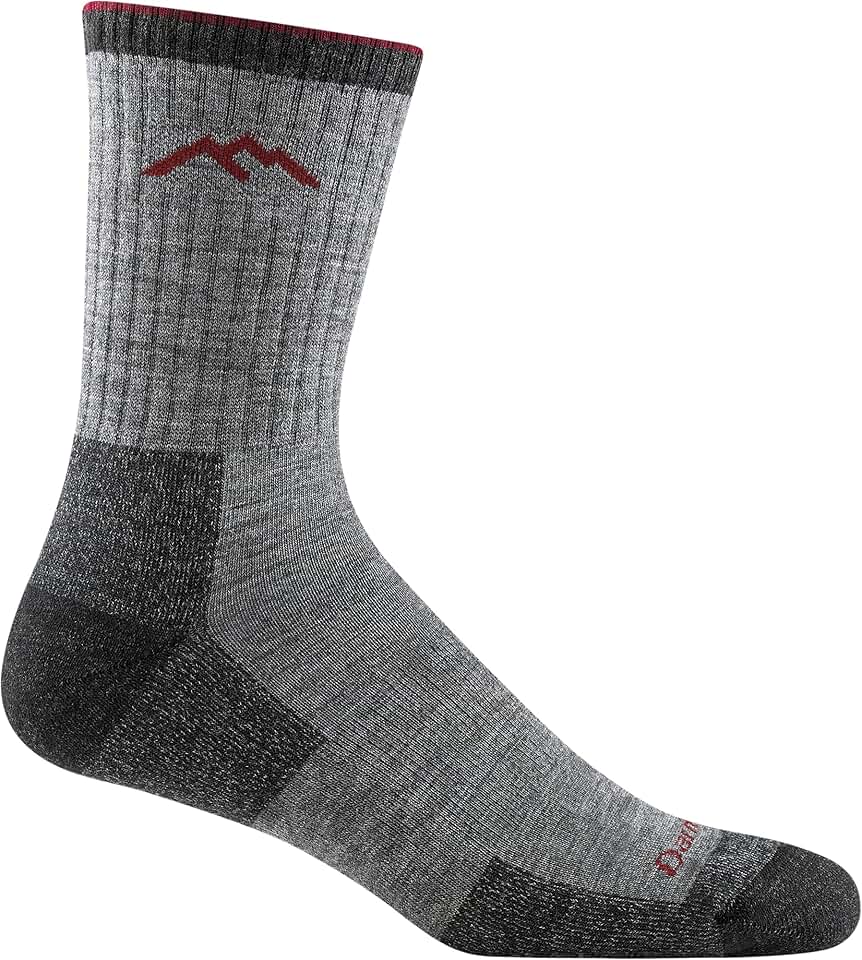
Finding the right merino wool base layer for 2026 comes down to matching the wool weight to your activity level. Lighter weights (150-170 gsm) serve as excellent everyday layers for office or casual wear, while mid-weights (200-250 gsm) provide the warmth needed for outdoor excursions. The following Amazon product grid highlights top-rated options that balance softness, durability, and price.


As an Amazon Associate, we may earn from qualifying purchases.
When comparing these options, consider the fit and seam placement. Merino wool is naturally breathable, but a tight fit can trap heat, while a loose fit may reduce insulation efficiency. Look for flat-lock seams to prevent chafing, especially if you plan to wear these layers under heavier jackets or for active pursuits.
| Brand | Weight (gsm) | Best For |
|---|---|---|
| Icebreaker | 175 | Everyday comfort |
| Smartwool | 150 | Light activity |
| Falke | 180 | Active movement |
| Darn Tough | 160 | Durability |
Before making a purchase, check the care instructions. Merino wool requires gentle washing to maintain its shape and softness. Avoid fabric softeners, which can coat the fibers and reduce their moisture-wicking abilities. With proper care, a quality merino base layer can last for years, making it a sustainable choice for your wardrobe.
Wash and store merino wool to extend its life
Merino wool is naturally odor-resistant, which means you don’t need to wash it after every wear. Over-washing is the fastest way to break down the delicate fibers of your base layer selections. Instead, air it out after use and spot-clean minor stains. When a full wash is necessary, treat the garment with care to preserve its shape and softness.
1. Wash cold on a gentle cycle
Turn your merino base layer inside out before washing. Use cold water and a gentle, wool-specific detergent. Avoid regular laundry detergents, fabric softeners, or bleach, as these can strip the natural lanolin and damage the fiber structure. If hand-washing, soak in cold water for 15 minutes, then gently squeeze—never wring—the water out.
2. Dry flat away from direct heat
Never tumble dry merino wool. Heat causes shrinkage and felting, ruining the fit. Lay the garment flat on a clean, dry towel or a drying rack. Reshape it to its original dimensions while damp. Keep it away from direct sunlight or radiators, which can fade the color and make the fibers brittle over time.
3. Store folded, not hung
Hanging wet or heavy merino layers stretches the shoulders and distorts the fit. Store them folded in a drawer or shelf. For long-term storage, ensure the wool is completely dry and clean to prevent moths. Use cedar blocks or lavender sachets for natural protection instead of chemical mothballs, which can leave an unpleasant odor on the fabric.
-
Wash in cold water only
Turn the garment inside out to protect the outer surface. Fill a basin with cold water and add a small amount of wool-safe detergent. Submerge the base layer and let it soak for 10–15 minutes.
Gently agitate the water with your hands. Do not rub, scrub, or wring the fabric. Rinse thoroughly with cold water until the water runs clear and no soap residue remains.
Lay the wet garment on a clean, dry towel. Roll the towel up with the garment inside and press gently to absorb moisture. Unroll and lay the base layer flat on a drying rack to finish drying.
No comments yet. Be the first to share your thoughts!