
Why sustainable tech matters now
The definition of a home office has shifted. It is no longer just a desk and a laptop; it is a permanent infrastructure. By 2026, energy efficiency and ethical sourcing have moved from niche marketing points to standard expectations for home office gear. This change is driven by two factors: rising electricity costs and stricter environmental regulations for electronics.
Sustainable technology reduces environmental impact by optimizing energy use, minimizing waste, and promoting resource efficiency in IT systems [1]. For the remote worker, this means choosing devices that consume less power during idle hours and use recycled materials in their construction. The goal is not just to buy "green" products, but to select gear that lowers your carbon footprint without sacrificing performance.
Note: The market is moving away from vague "eco-friendly" claims toward verified energy ratings. Look for devices with explicit energy consumption data rather than those relying on greenwashing.
This shift affects every component in your setup. Monitors with low-power modes, keyboards made from ocean-bound plastic, and chargers with high efficiency ratings are becoming the norm. Ignoring these factors now means paying higher utility bills and supporting manufacturing practices that contribute to electronic waste. As we explore the best options for 2026, we focus on specific models that meet these rigorous standards.
[1] https://www.splunk.com/en_us/blog/learn/sustainable-technology.html
Energy-efficient monitors and displays
Monitors often consume the most power in a home office setup, making them the highest-impact upgrade for a sustainable workspace. The most eco-friendly displays prioritize low standby power and efficient panel technologies that reduce energy draw without sacrificing visual clarity.
When selecting a display, look for models that use LED backlighting with local dimming capabilities. These panels adjust brightness in specific zones rather than lighting up the entire screen, which significantly lowers electricity usage during typical office tasks. Additionally, many modern monitors feature "Eco Mode" settings that automatically dim the backlight based on ambient light sensors, ensuring the screen never draws more power than necessary.
Standby power is another critical factor. Older monitors might draw watts even when turned off, whereas efficient 2026 models often drop below 0.5 watts in sleep mode. This small difference adds up over thousands of hours of operation, reducing both your carbon footprint and your electricity bill.
The following monitors are recognized for their energy efficiency and sustainable design features.




As an Amazon Associate, we may earn from qualifying purchases.
Ethical laptops and compact computers
Choosing a laptop for a home office is no longer just about processor speed. The most sustainable machines prioritize repairability, recycled materials, and long software support cycles. These features extend the device's lifespan, keeping e-waste out of landfills and reducing the demand for new raw materials.
When evaluating eco-friendly gadgets, look for models that allow easy battery and component replacement. Manufacturers using post-consumer recycled aluminum and plastic reduce the carbon footprint of production. Long-term software support ensures the device remains secure and functional for years, rather than becoming obsolete after two years.
We compare the top contenders based on their environmental credentials and practical performance for remote work.
| Model | Recycled Content | Repairability Score | OS Support Years |
|---|---|---|---|
| Framework Laptop 13 | Aluminum chassis | 9/10 | 3+ years |
| Dell XPS 13 | Recycled ocean plastic | 6/10 | 5 years |
| Apple MacBook Air M3 | 100% recycled aluminum | 4/10 | 7+ years |
| Lenovo ThinkPad X1 Carbon | Recycled carbon fiber | 7/10 | 5 years |




As an Amazon Associate, we may earn from qualifying purchases.
Low-impact peripherals and accessories
Your desk setup accounts for a significant portion of your home office’s energy draw and physical waste. Choosing peripherals built from recycled materials or designed for easy repair extends their lifecycle and reduces the demand for virgin plastics. These devices prioritize durability and material transparency over planned obsolescence.
We selected keyboards, mice, and charging stations that use post-consumer recycled plastics, biodegradable casings, or modular designs. These options prove that sustainable tech does not require sacrificing typing comfort or charging speed.



As an Amazon Associate, we may earn from qualifying purchases.
Smart power management solutions
Phantom load is the silent drain on your home office energy bill. Even when devices are turned off, chargers, monitors, and peripherals draw small amounts of electricity if they remain plugged in. Smart plugs and power strips solve this by cutting power completely or tracking usage in real time, turning passive waste into actionable data.
These devices act like circuit breakers for your desk. Instead of manually flipping switches or unplugging cables, you can schedule shutdowns or monitor consumption through an app. This approach reduces the carbon footprint of your tech stack without sacrificing convenience or connectivity.
TP-Link Kasa Smart Plug HS103
The Kasa HS103 is a reliable entry point for smart power management. It fits standard outlets and allows you to control individual devices remotely. You can set schedules to turn off your monitor or printer after work hours, ensuring no energy is wasted overnight. Its compact design doesn't block adjacent outlets, making it practical for crowded desk setups.
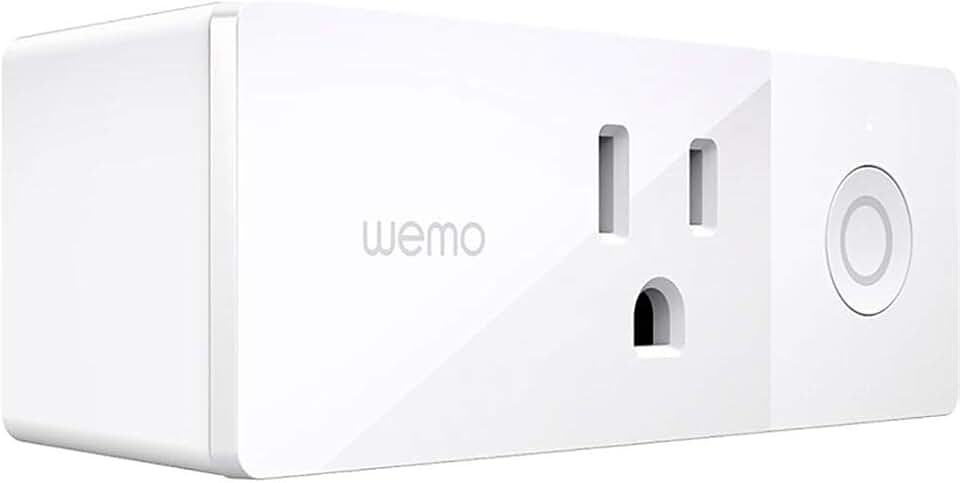
Belkin WeMo Smart Plug
Belkin’s WeMo offers robust integration with home automation ecosystems. It provides energy monitoring features that show exactly how much power a device is using. This visibility helps identify which gadgets are the biggest energy hogs. The plug also supports voice control, allowing you to cut power to a device without leaving your chair.
Amazon Smart Power Strip
For those who want to manage multiple devices at once, the Amazon Smart Power Strip is a strong choice. It features three smart outlets and two always-on outlets, accommodating different usage patterns. The smart outlets can be controlled individually or as a group. It integrates with Alexa for voice commands, making it easy to power down your entire workspace with a single voice command.


As an Amazon Associate, we may earn from qualifying purchases.
How to choose your next upgrade
Buying sustainable tech requires looking past the marketing claims on the box. You need to verify three concrete factors: energy efficiency, material composition, and end-of-life recyclability. This checklist helps you filter out greenwashing and select gadgets that actually reduce your home office footprint.

Look for Energy Star certification or equivalent local standards. Devices with low standby power consumption and efficient processors reduce long-term electricity use. Prioritize monitors and peripherals that sleep quickly and wake fast without draining power.

Check if the device uses recycled plastics or aluminum. Brands are increasingly disclosing post-consumer recycled content in their casings and packaging. Avoid devices heavily reliant on virgin plastics or rare earth metals that are difficult to source responsibly.

Ensure the manufacturer offers a take-back or recycling program. Devices that are modular or easy to repair last longer, reducing e-waste. Look for right-to-repair certifications or publicly available repair manuals as indicators of a product's longevity.



As an Amazon Associate, we may earn from qualifying purchases.
Common questions about green tech
Eco-friendly gadgets often carry a higher upfront price, but the long-term savings on electricity bills usually offset the initial cost. Many sustainable devices use less power without sacrificing performance, making them a practical choice for any home office setup.
Is sustainable tech actually more expensive?
While the sticker price can be higher, the total cost of ownership is often lower. Energy-efficient monitors and peripherals reduce your monthly utility bills. Over a few years, these savings can cover the initial investment.
Do eco-friendly gadgets perform as well?
Yes. Modern sustainable tech matches the performance of traditional devices. Manufacturers now use efficient processors and recycled materials that don't compromise speed or durability. You get the same productivity with a smaller carbon footprint.
Are "green" claims reliable?
Look for certified labels like Energy Star or EPEAT. These standards verify that a product meets strict environmental criteria. Be wary of vague terms like "eco-friendly" without specific certifications behind them.
How do I dispose of old tech responsibly?
Many manufacturers offer trade-in or recycling programs. These initiatives ensure that e-waste is processed correctly, preventing harmful materials from entering landfills. Check the brand's website for local drop-off locations or prepaid shipping labels.
No comments yet. Be the first to share your thoughts!