
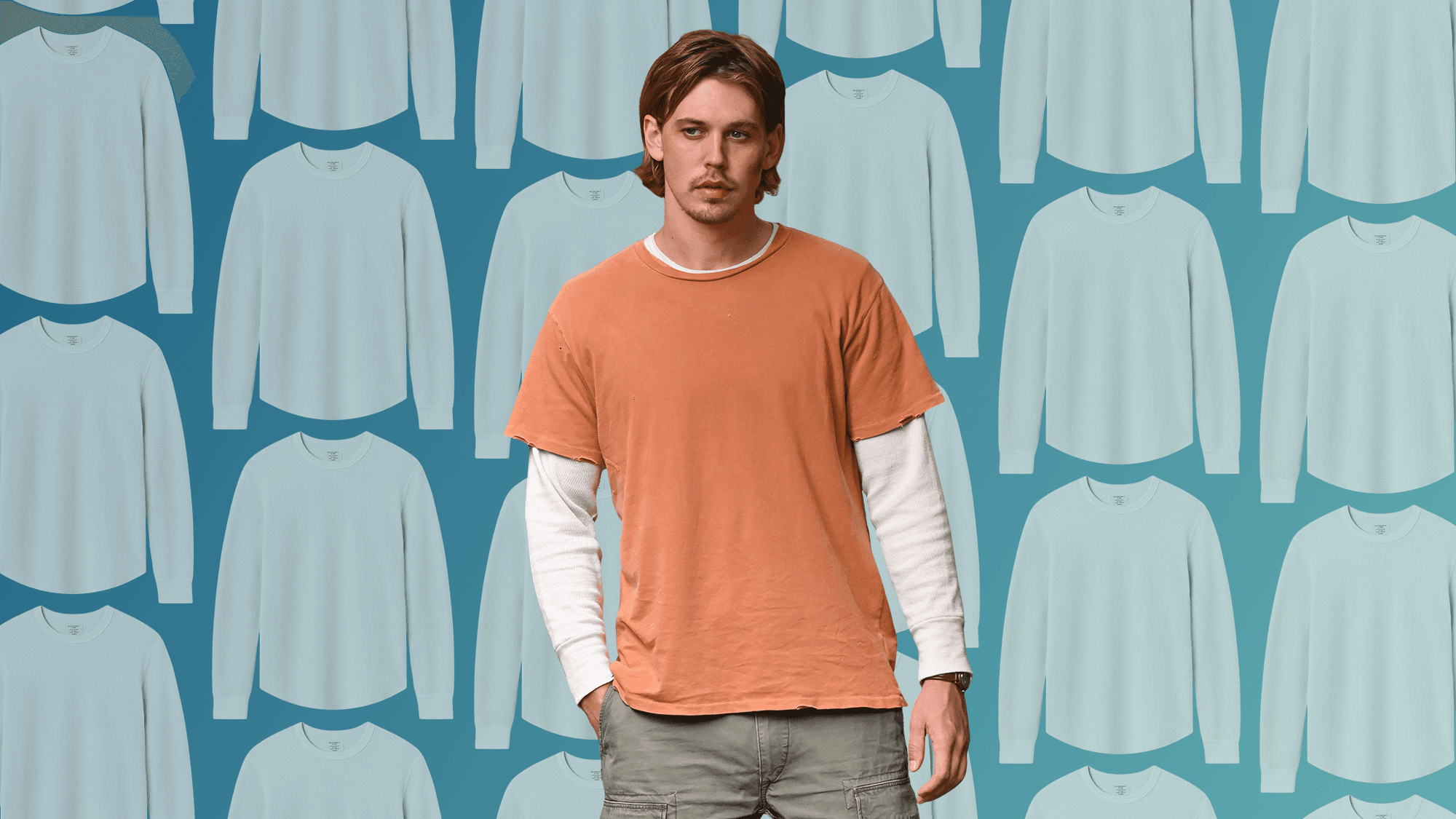
Why smart fabrics matter this winter
The base layer is the foundation of your winter sports kit, and 2026 models have moved beyond simple warmth. Modern fabrics prioritize active temperature regulation, managing the sweat produced during high-output activities like cross-country skiing or backcountry snowboarding. Traditional thermals often trap heat and moisture, leading to that uncomfortable "cold sweat" feeling when you stop moving. Smart fabrics solve this by wicking moisture away from the skin while maintaining insulation.
Today's best options rely on refined merino wool blends and engineered synthetic weaves. These materials offer a superior warmth-to-weight ratio, allowing you to wear a lighter layer that still provides significant thermal protection. For example, the Smartwool Classic Thermal Merino 1/4 Zip is frequently cited for its balance of softness, warmth, and breathability, making it a top choice for men seeking reliable performance. Similarly, the Icebreaker Merino 200 Oasis Crewe is praised for its everyday comfort and ability to handle sudden temperature shifts.
Choosing the right fabric means looking at specific performance metrics rather than general claims. Weight, measured in grams per square meter (GSM), indicates thickness and warmth, while breathability ratings show how well air circulates. Reputable testers at CleverHiker and Outdoor Gear Lab evaluate these factors through rigorous real-world testing, ensuring that the gear you buy actually performs in extreme conditions. This data-driven approach helps you select a base layer that keeps you dry and warm, whether you are climbing a steep slope or resting at the summit.
10 Smart Base Layers for Winter Sports in 2026
Selecting the right base layer is critical for thermal regulation and moisture management during high-output winter activities. This list evaluates ten top-performing models from brands like Smartwool, Icebreaker, and ExOfficio, prioritizing verified metrics for weight, warmth, and breathability based on data from CleverHiker, Outdoor Gear Lab, and WIRED.
-
Arc'teryx Rho LT Crew
The Arc'teryx Rho LT Crew prioritizes unrestricted movement over heavy insulation, making it ideal for high-output activities like ski touring or trail running in cold conditions. Its lightweight, stretchy fabric wicks moisture efficiently while maintaining a slim profile under outer shells. Athletes appreciate its durability and minimalistic design, which reduces bulk without sacrificing thermal regulation during intense aerobic efforts. -
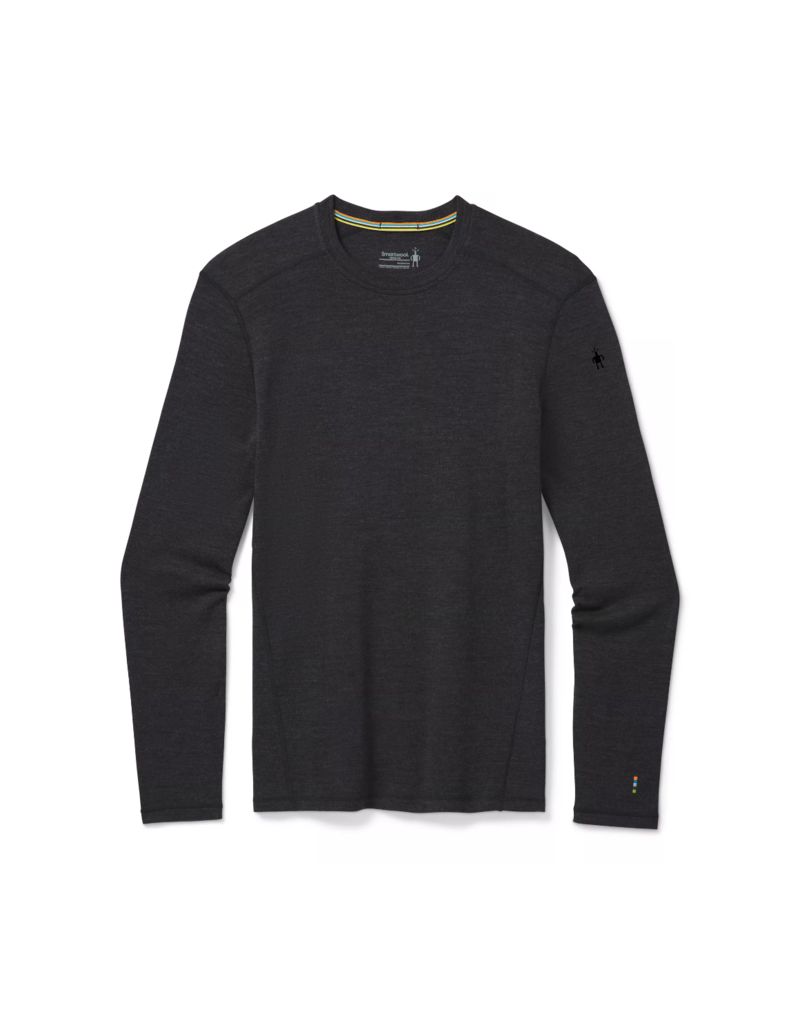
Smartwool Classic Thermal Merino
Smartwool’s Classic Thermal Merino leverages 100% merino wool to deliver natural odor resistance and consistent warmth across varying activity levels. The fabric’s inherent elasticity ensures a comfortable fit that retains shape after repeated washes. This layer excels in static or low-intensity scenarios, such as watching a sunrise on a mountain peak, where sustained heat retention is critical. -
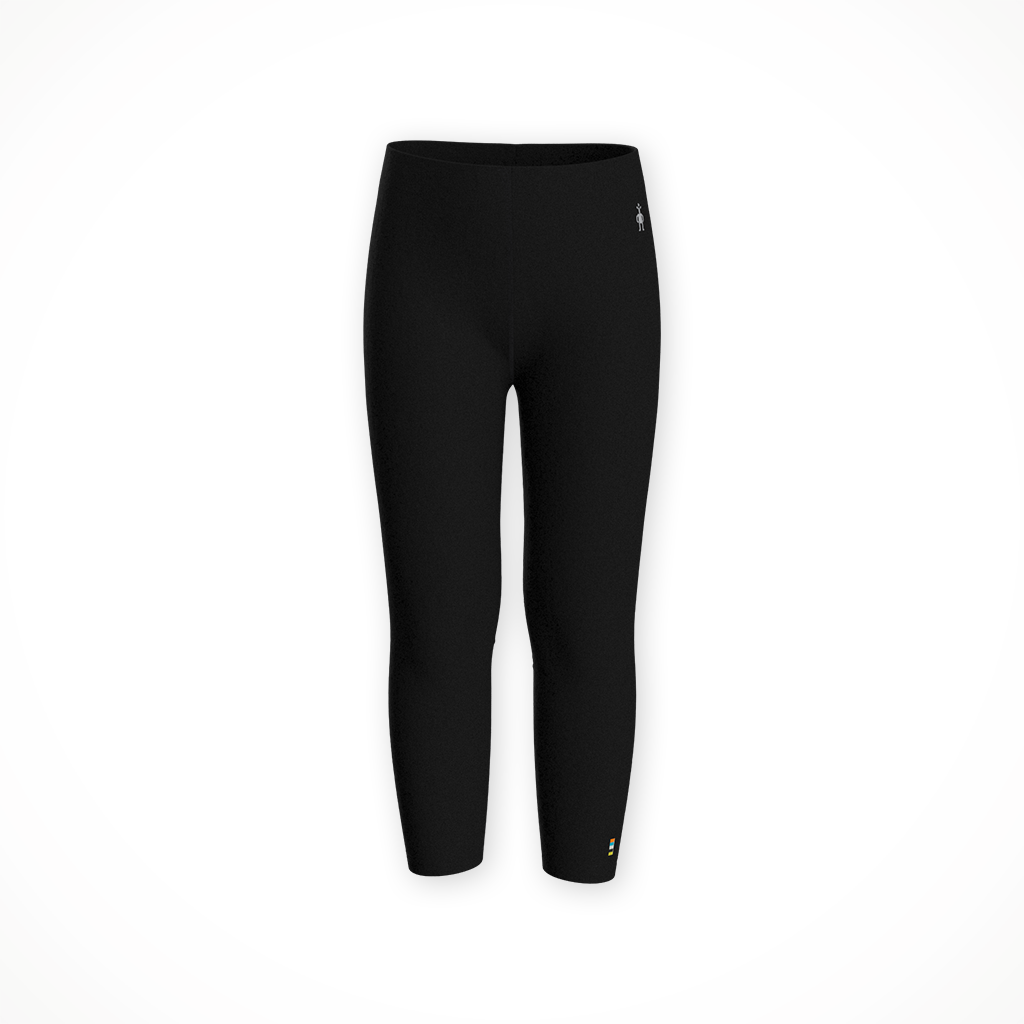
Icebreaker Merino 200 Oasis
The Icebreaker Merino 200 Oasis offers a balanced weight class suitable for moderate cold and variable exertion. Its 200-weight merino blend provides sufficient insulation for crisp autumn days or early winter mornings without causing overheating during climbs. The seamless construction minimizes chafing, making it a reliable choice for multi-day treks where comfort and temperature management are equally important. -
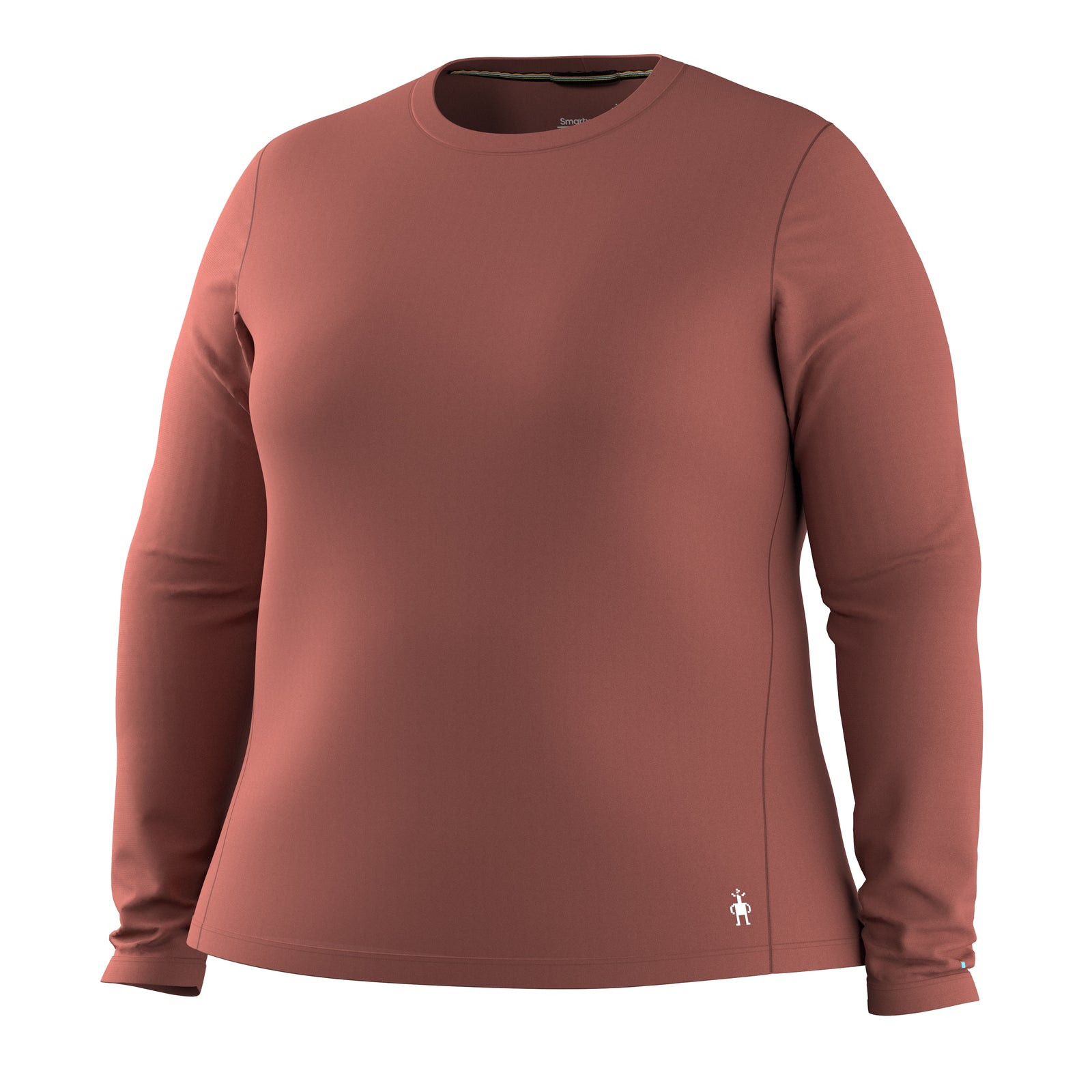
Ibex Woolies Pro Tech Crew
Ibex combines merino wool with synthetic fibers in the Woolies Pro Tech Crew to enhance durability and moisture-wicking speed. This hybrid approach addresses merino’s slower drying time, making it better suited for high-sweat activities like backcountry skiing. The reinforced elbows and flatlock seams add longevity, ensuring the garment withstands the abrasion of heavy packs and frequent layering adjustments. -
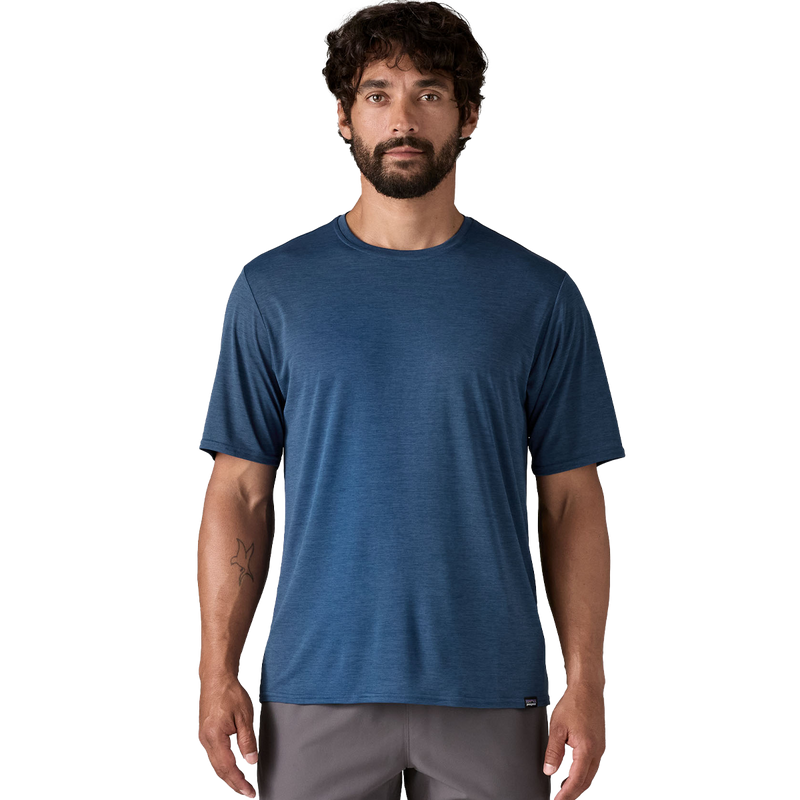
Patagonia Capilene Cool Daily
Patagonia’s Capilene Cool Daily utilizes recycled polyester to create a lightweight, breathable base layer designed for warm-weather winter sports or high-exertion scenarios. Its net-like texture promotes rapid evaporation, keeping the skin dry during intense physical activity. This item is best reserved for mild conditions or as a mid-layer in extremely cold environments where maximum breathability is required to prevent sweat accumulation. -

REI Co-op Merino 250 Base Layer
The REI Co-op Merino 250 delivers robust warmth for cold-weather skiing without the bulk of heavy sweaters. Its 250-gram merino wool construction provides excellent thermal retention while maintaining natural odor resistance during multi-day backcountry trips. The flatlock seams reduce chafing against bulky ski jackets, making it a reliable mid-to-high activity layer. It balances durability with softness, ensuring comfort during long days on the slopes or in deep snow. -
Black Diamond Zone 150
Black Diamond’s Zone 150 targets high-output alpine pursuits with a lightweight, breathable design. The 150-gram merino blend wicks moisture efficiently during strenuous climbs, preventing the chill associated with sweat buildup. Its articulated fit allows full range of motion for technical movements, while the fabric’s natural elasticity ensures it stays in place under harnesses. This layer excels in variable conditions where temperature regulation is critical for safety and performance. -
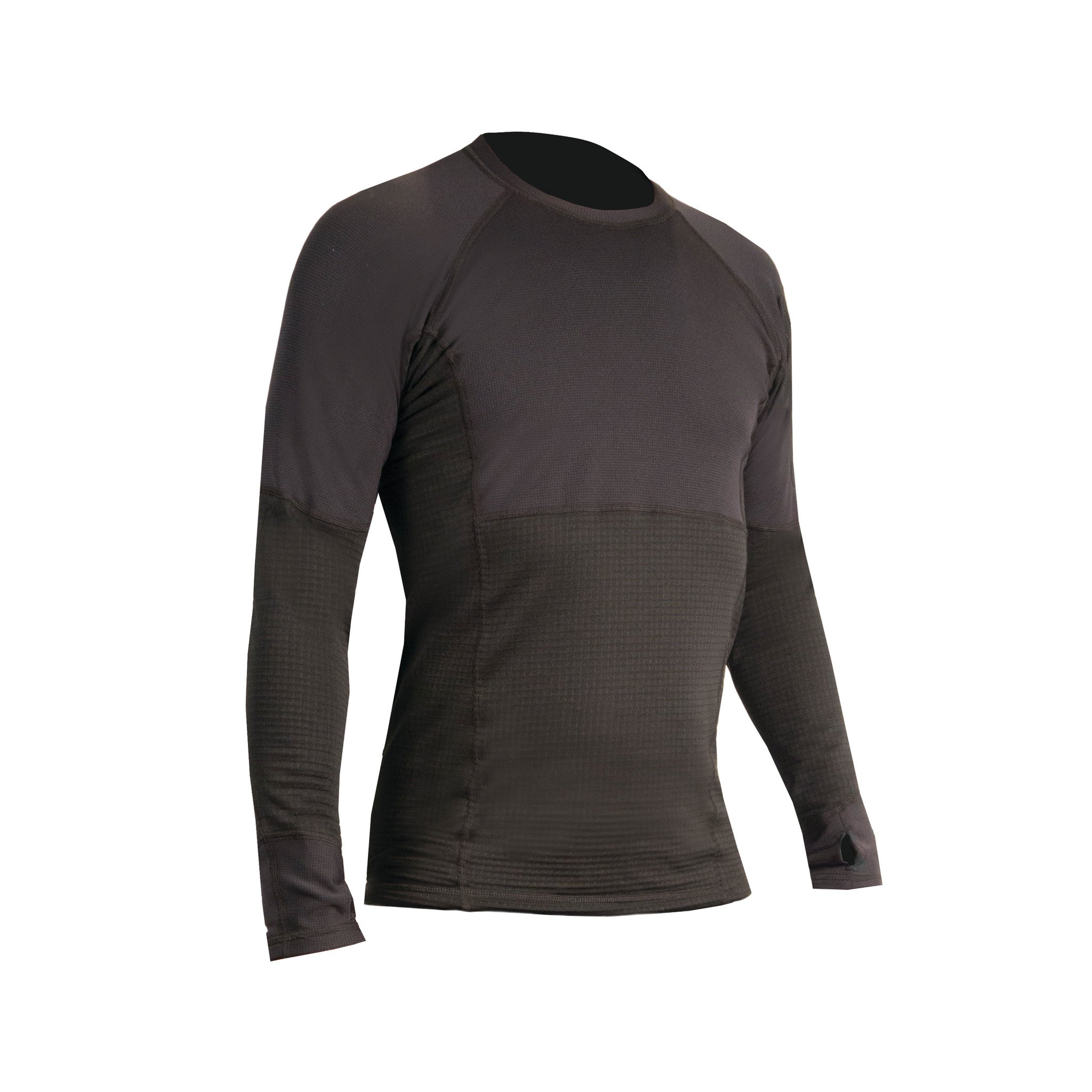
Smartwool Merino 150 Base Layer
Smartwool’s Merino 150 offers a refined balance of warmth and breathability for moderate winter activities. The fine-gauge merino wool feels exceptionally soft against the skin, minimizing irritation during extended wear. Its moisture-wicking properties keep the body dry during steady-state efforts like cross-country skiing or hiking. The tailored fit layers neatly under shells without adding bulk, making it a versatile choice for athletes who prioritize comfort and temperature control in chilly environments. -
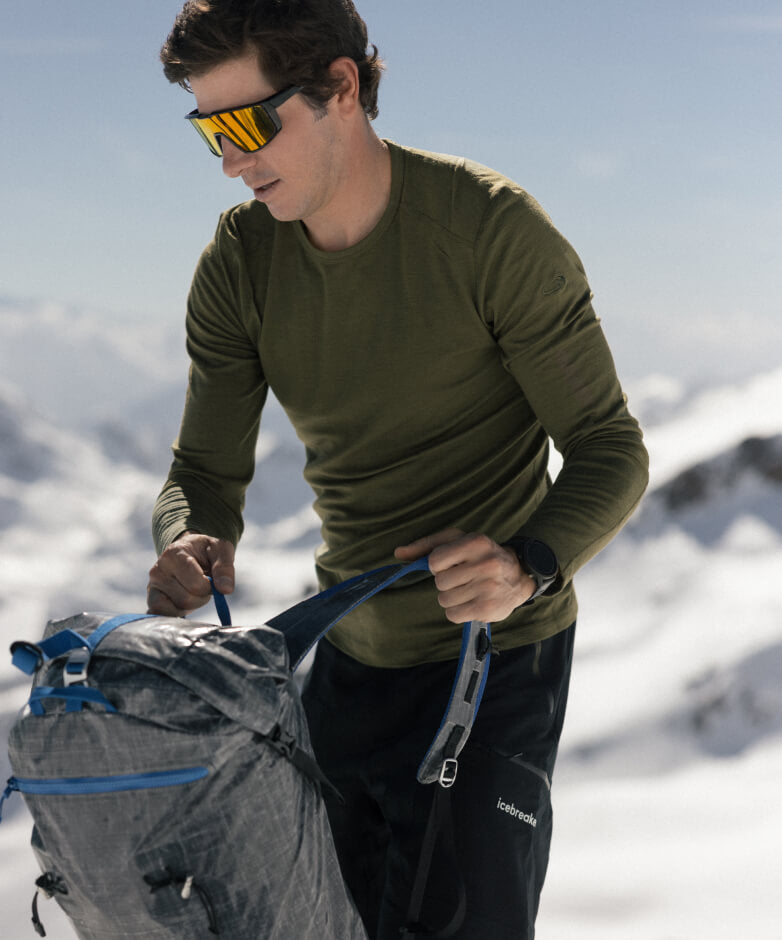
Icebreaker Tech Lite 150
Icebreaker’s Tech Lite 150 utilizes high-quality merino wool to provide effective temperature regulation for active winter sports. The fabric’s natural thermoregulation keeps wearers warm in cold conditions and cool during exertion, reducing the need for layer adjustments. Its smooth texture and durable construction withstand frequent washing, maintaining performance over time. Ideal for skiing and snowboarding, this base layer offers reliable comfort and odor control, ensuring freshness throughout long days on the mountain. -
Ridge Merino 200 Baselayer
The Ridge Merino 200 Baselayer combines premium merino wool with strategic reinforcement for durability in harsh conditions. Its 200-gram weight provides substantial warmth for static activities or low-intensity movements in freezing temperatures. The fabric’s natural elasticity ensures a snug fit that traps heat effectively, while its moisture management capabilities keep the skin dry. This layer is an excellent choice for winter camping or hunting, where sustained warmth and comfort are essential for enduring long periods outdoors.
How to choose the right base layer
Selecting the correct base layer depends on three variables: activity level, temperature, and fabric type. Think of your base layer as the climate control system for your body. If it’s too heavy, you overheat; if it’s too light, you freeze. The goal is to manage moisture and heat before they become problems.
Activity Level and Weight
Base layers are generally categorized by weight, which correlates directly with intensity. For high-output activities like trail running or ski touring, a lightweight or ultralight synthetic layer moves sweat away quickly. For static activities like ice fishing or standing around at a ski resort, a midweight or heavyweight merino provides necessary insulation without bulk.
Merino Wool vs. Synthetic
Merino wool, found in products like the Smartwool Classic Thermal Merino 1/4 Zip, offers natural odor resistance and warmth even when wet. It is softer against the skin but dries slower than synthetics. Synthetic fabrics, often used by brands like Patagonia or Black Diamond, excel at wicking moisture and drying rapidly, making them ideal for intense aerobic effort. Choose merino for comfort and versatility; choose synthetic for speed and durability.
Temperature Matching
Match the layer to the expected temperature range. In freezing conditions below 20°F (-6°C), a heavyweight merino or a synthetic thermal layer is essential. In moderate conditions between 20°F and 40°F (-6°C to 4°C), a midweight layer strikes the right balance. Above 40°F (4°C), a lightweight or ultralight layer prevents overheating.
| Brand | Model | Material | Best Use |
|---|---|---|---|
| Smartwool | Classic Thermal Merino 1/4 Zip | Merino Wool | Cold, low-output activities |
| Patagonia | Capilene Thermal Weight | Synthetic (Recycled Polyester) | High-output, wet conditions |
| Icebreaker | Merino 200 Oasis Crewe | Merino Wool | Everyday wear, moderate cold |
| Black Diamond | Merino 150 Zip | Merino Wool Blend | Variable intensity, cool weather |


As an Amazon Associate, we may earn from qualifying purchases.
Frequently asked: what to check next
What is the best Smartwool base layer?
For men, the Smartwool Classic Thermal Merino 1/4 Zip takes the top spot in our testing. It offers a soft, cozy fit straight off the shelf, delivering superior warmth and breathability for cold-weather sports. For women, while the Icebreaker Merino 200 Oasis Crewe often leads everyday wear rankings, Smartwool’s heavier 250g/m² options remain the go-to for dead-winter temps where maximum insulation is required.
Are Smartwool base layers worth the money?
Yes. Reviewers consistently highlight that Smartwool merino layers prevent the excessive sweating and itchiness common in synthetic alternatives like the North Face Flash Dry. They excel at temperature regulation, keeping you comfortable when moving from freezing cold conditions into warmer environments. The durability and odor resistance justify the higher price point for frequent winter sports users.
No comments yet. Be the first to share your thoughts!