
Why 2026 changes smart home math
The smart home industry is undergoing a quiet but significant shift in 2026. For years, automation meant following rigid rules: the thermostat drops to 68 degrees at 10 PM, or the lights turn off when motion stops. These schedules are useful, but they are inefficient. They react to time, not to how you actually live.
This year, AI moves from reactive automation to predictive efficiency. Instead of waiting for a trigger, devices now learn your behavioral patterns. They analyze data from mmWave sensors, usage history, and even local weather forecasts to adjust your home before you notice a change in comfort. This isn't about convenience; it is about cutting utility waste.
The financial impact is direct. By anticipating your needs, AI-driven systems reduce the energy required to heat, cool, and light your home. Forbes notes that 2026 automation should be less about app taps and more about your house knowing what you want. This predictive capability turns your smart home into a cost-saving tool rather than just a novelty.
This transition changes the math of your monthly bills. You are no longer paying for air conditioning while you are at work because your schedule said so. You are paying only for the energy needed to maintain comfort during the hours you are actually home. This precision is what makes 2026 a pivotal year for smart home efficiency.
5 AI Smart Home Upgrades That Cut Energy Bills in 2026
By 2026, legacy smart thermostats and basic timers are no longer enough to combat rising utility rates. These five specific AI-driven upgrades leverage real-time grid data and predictive load balancing to shave meaningful percentages off your monthly energy bills.
-
Predictive smart thermostats
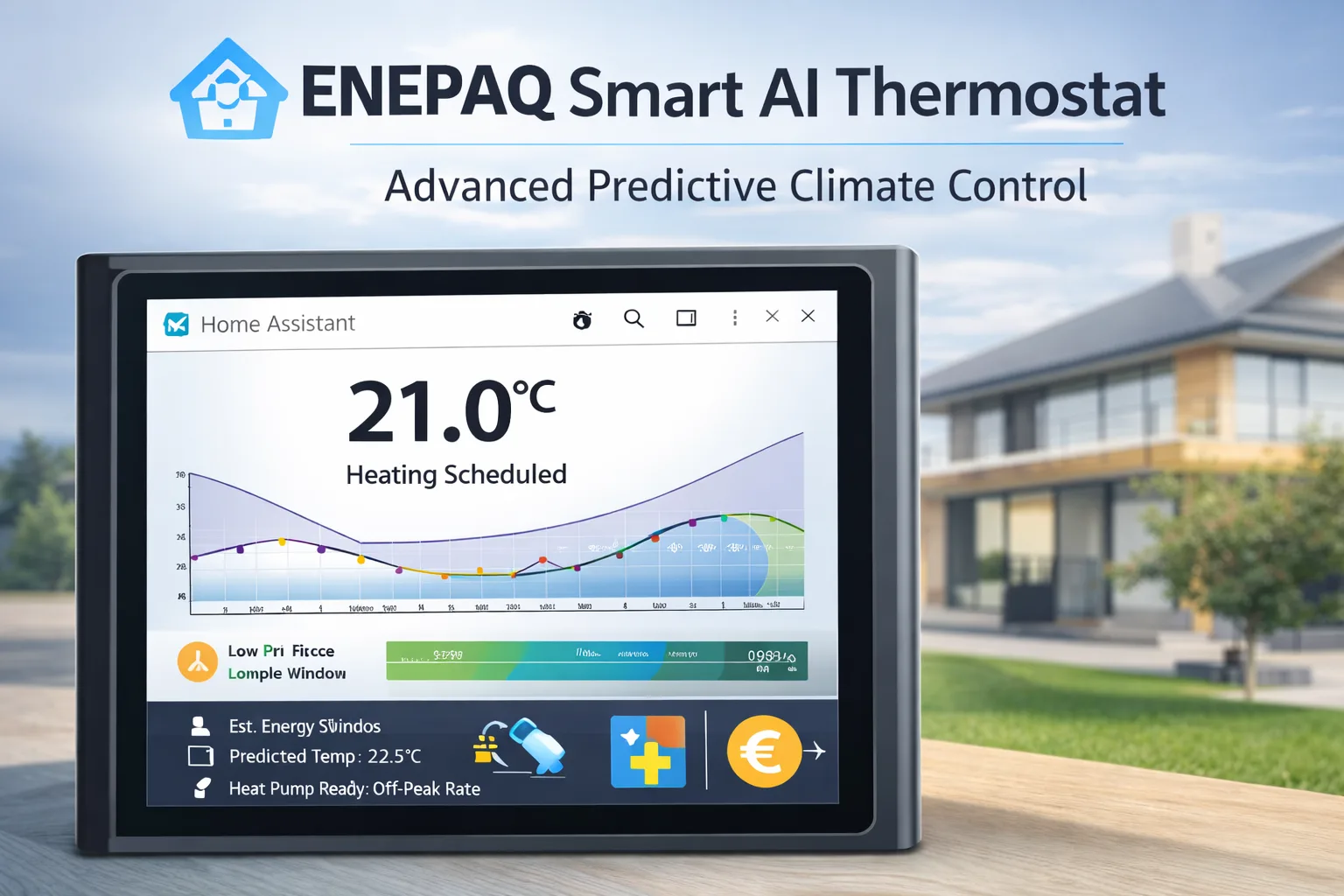
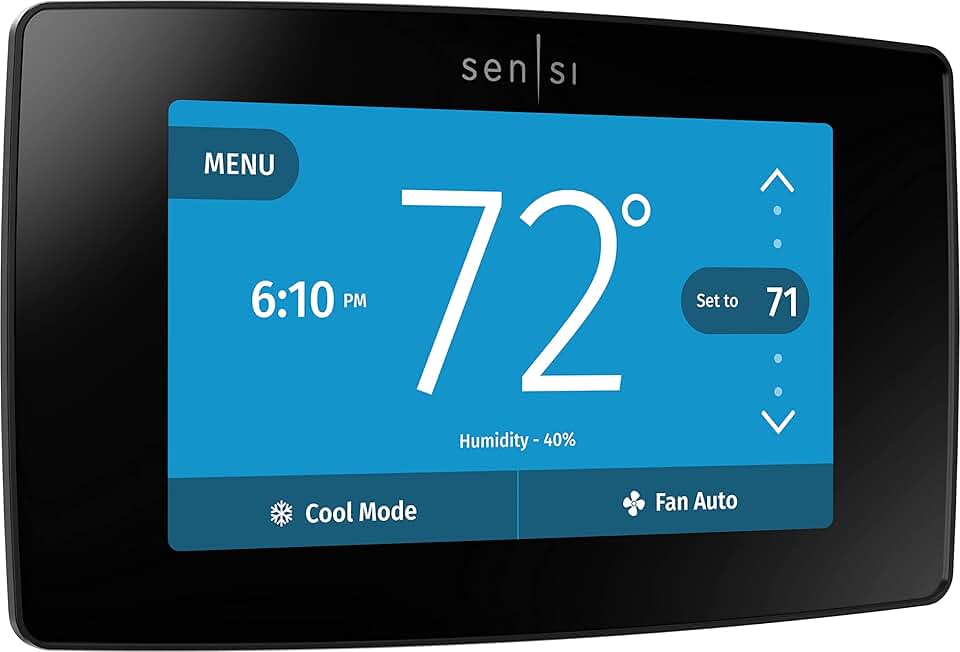
These devices learn your schedule and weather patterns to pre-cool or pre-heat efficiently. The ENEPAQ Smart AI Thermostat adjusts HVAC runtime based on real-time occupancy and forecast data, reducing wasted energy during unoccupied hours. By optimizing start times rather than reacting to temperature drift, households typically see a 10-15% reduction in heating and cooling costs. This proactive approach ensures comfort without the premium of constant operation. -

mmWave occupancy sensors
Unlike standard PIR sensors, mmWave technology detects subtle movements like typing or breathing, ensuring lights and HVAC only run when someone is truly present. The LinknLink sensor integrates with Home Assistant to provide granular presence data, eliminating the common issue of systems turning off prematurely. This precision prevents energy waste in rooms where occupants are stationary but active, offering a more accurate reflection of actual home usage patterns. -
AI energy monitoring plugs
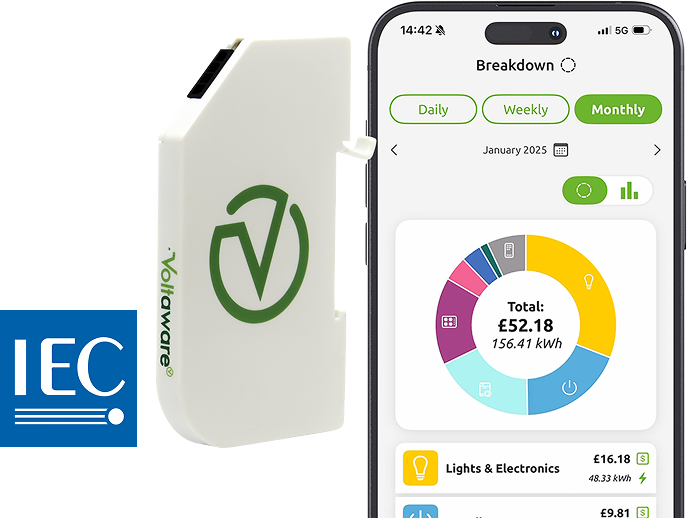
These plugs use machine learning to identify appliance signatures, distinguishing between a running fridge and a standby TV. The Voltaware monitor breaks down usage by device, allowing users to set strict limits or auto-shutoff rules for high-drain electronics. By pinpointing phantom loads and inefficient appliances, homeowners can make targeted adjustments, often recovering 5-10% of monthly electricity spend that was previously invisible in a single aggregate bill. -
Local AI hub automation
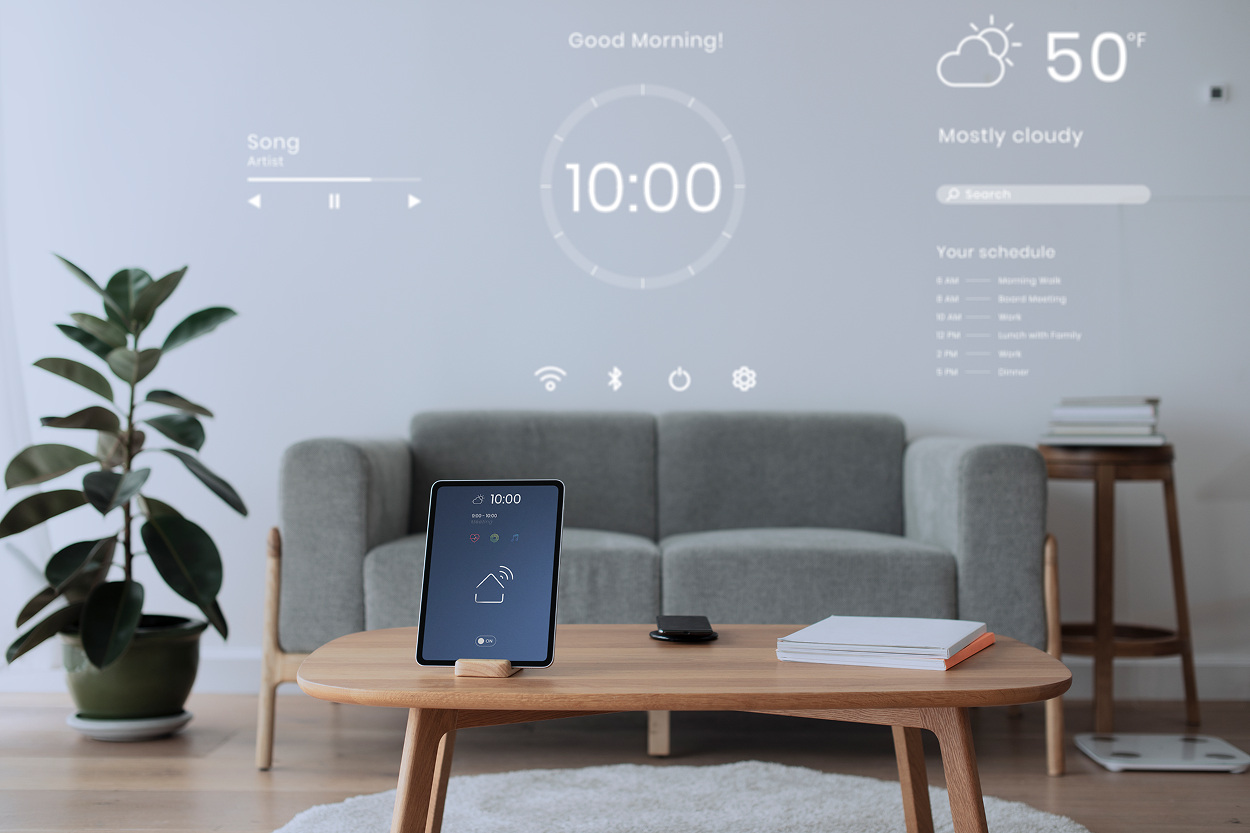
Processing data locally via hubs like Home Assistant eliminates cloud latency and subscription fees while enhancing privacy. This setup enables complex automations, such as adjusting blinds based on sun position and indoor temperature, without relying on external servers. The shift to local control reduces operational overhead and ensures that energy-saving routines execute instantly. This reliability is crucial for maintaining consistent efficiency, as cloud outages often disable critical optimization scripts. -

Smart water leak detectors
Water waste directly impacts utility bills through high volume costs and potential damage repairs. These detectors monitor flow rates to identify anomalies like running toilets or slow leaks that traditional sensors miss. By alerting homeowners instantly, they prevent thousands of gallons of waste and costly emergency plumbing fixes. The Wirecutter-recommended models offer reliable detection, turning a potential financial disaster into a manageable notification, thereby protecting both the wallet and the home’s infrastructure.
Top AI Smart Home Upgrades Compared
Choosing the right upgrade depends on your budget and comfort level with technology. The table below breaks down the five primary categories by upfront cost, installation complexity, and estimated annual savings on utility bills.
| Category | Upfront Cost | Complexity | Est. Annual Savings |
|---|---|---|---|
| Smart Thermostats | $100–$250 | Easy (DIY) | $100–$150 |
| AI Lighting Controls | $50–$150 | Easy (DIY) | $30–$50 |
| Smart Blinds & Shades | $150–$400 | Moderate | $50–$100 |
| Energy Monitoring Panels | $300–$600 | Hard (Pro Install) | $100–$200 |
| AI Water Leak Detectors | $100–$300 | Easy (DIY) | Variable (Prevention) |
Smart thermostats and lighting controls offer the fastest return on investment with minimal disruption. Energy monitoring panels require professional installation but provide the deepest insights into household consumption patterns.


As an Amazon Associate, we may earn from qualifying purchases.
Checklist for your 2026 upgrade
Turn your home into an energy-efficient machine with this five-step rollout plan. Start by auditing your biggest energy drains, then implement AI-driven controls to cut waste.
Pull your last 12 months of utility bills. Identify your peak usage hours and biggest cost drivers. This baseline tells you where AI automation will save the most money.
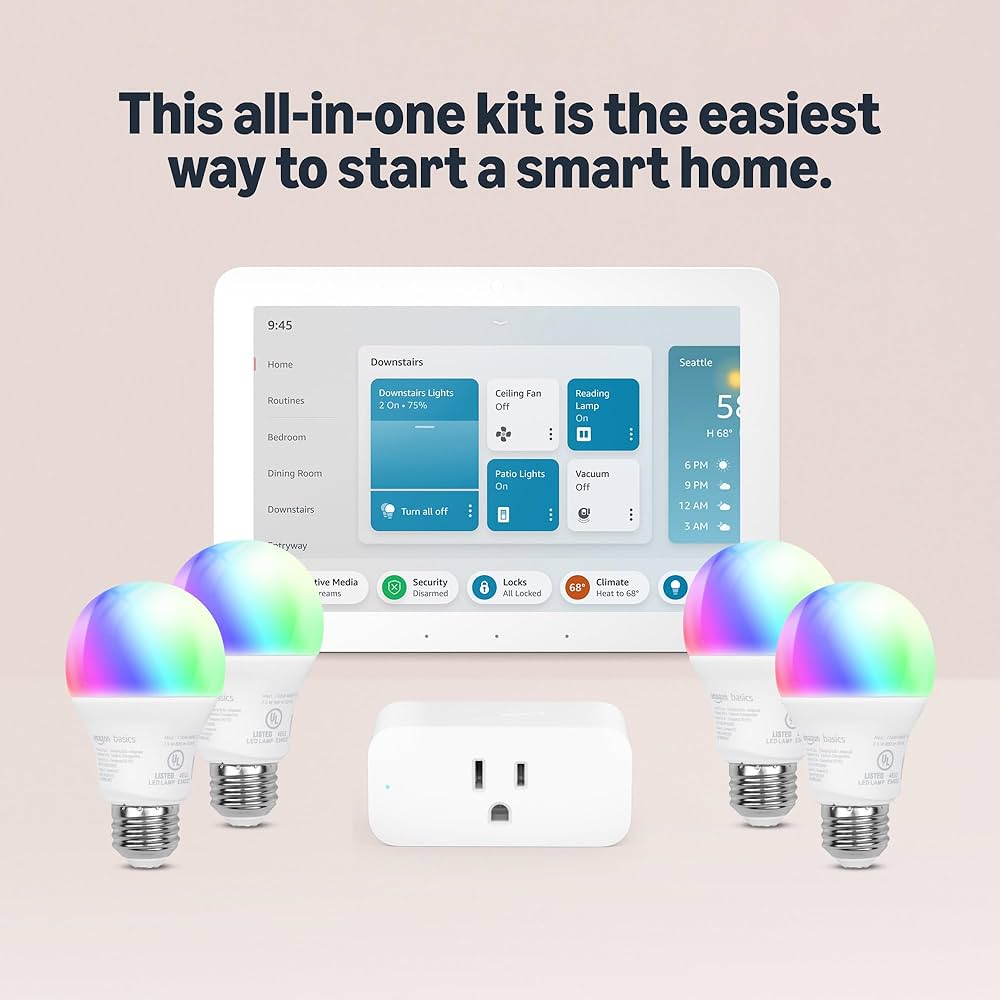
Pick a hub that supports Matter for future-proofing. Samsung SmartThings or Google Home work well for mixing brands. Avoid walled gardens that limit your upgrade path.
Replace manual thermostats with AI models like Ecobee or Nest. These devices learn your schedule and adjust HVAC output automatically, targeting the 10-12% savings typical for heating and cooling.
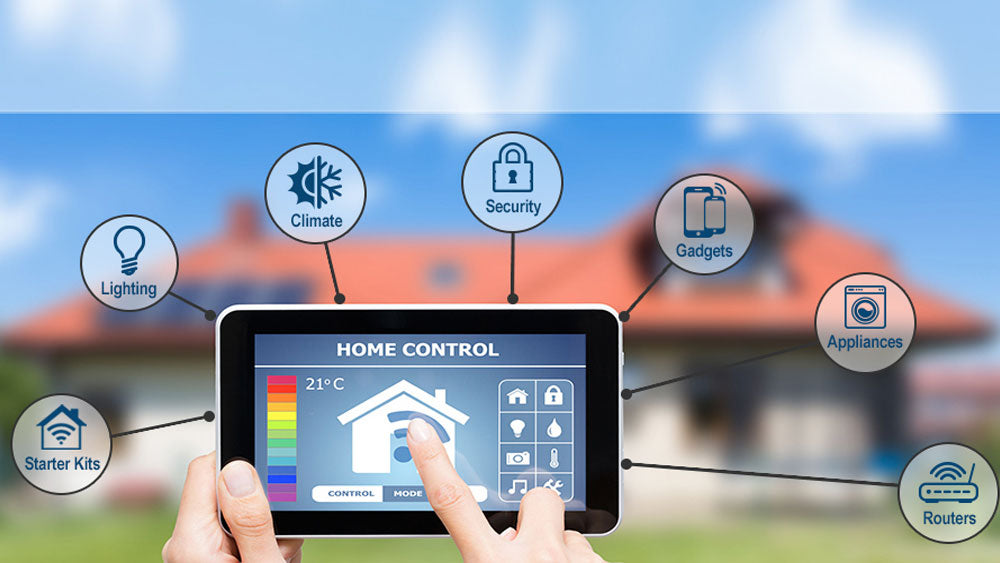
Place mmWave or PIR sensors in rooms like bedrooms and home offices. Link them to lights and fans so power cuts the moment you leave, eliminating phantom load waste.
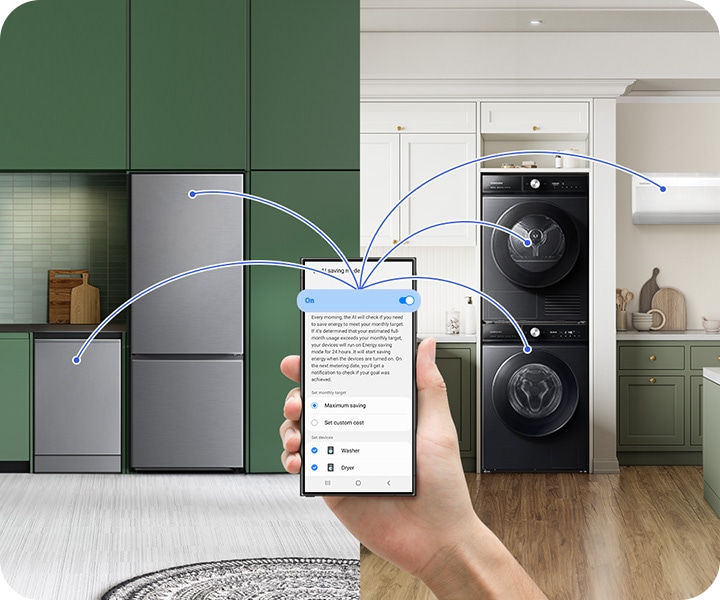
Use smart plugs with energy monitoring for water heaters, dryers, and EV chargers. Set them to run only during off-peak utility hours or when solar production is high.
As an Amazon Associate, we may earn from qualifying purchases.
No comments yet. Be the first to share your thoughts!