
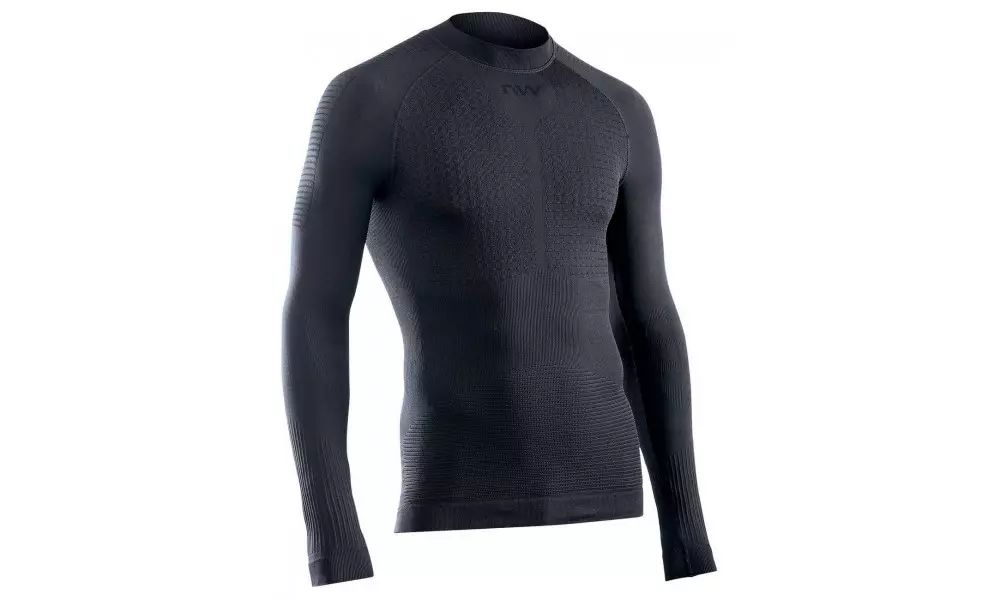
Smart base layers 2026 budget
Finding a smart base layer that balances cost with performance requires looking past the sticker price. In 2026, the market splits clearly between premium merino blends and high-efficiency synthetics. The Smartwool Intraknit Thermal Merino Base Layer remains a top contender for winter adventures, offering durability that justifies its higher upfront cost for frequent users. For those on a tighter budget, options from Ibex and Patagonia provide reliable warmth without the premium tag, often landing in the $80–$120 range for a full set.
When evaluating budget-fit, consider how often you’ll wash the garment. Synthetic layers dry faster and resist odor longer than untreated cotton or light wool, making them more economical over time. Merino, while naturally antimicrobial, requires more careful handling to maintain its shape and thermal properties. Check the weight rating—150g for mild activity, 250g for cold weather—to ensure you aren’t paying for insulation you won’t use.



As an Amazon Associate, we may earn from qualifying purchases.
The tradeoff often comes down to longevity versus immediate comfort. Premium brands like Smartwool and Ibex use tighter knitting techniques that resist pilling and stretching, extending the garment’s life significantly. Budget-friendly synthetics may feel less luxurious initially but often withstand rougher treatment and frequent machine washing. For everyday comfort, prioritize fit and fabric breathability over brand names to get the most value from your purchase.
Shortlist real options
The 2026 smart base layer market has moved past vague "moisture-wicking" claims. Today's fabrics use engineered knitting patterns and fiber blends to manage heat and sweat with precision. We compared the strongest contenders across warmth, durability, and comfort to help you choose without guessing.
The Smartwool Intraknit Thermal Merino Base Layer remains a top pick for active winter adventures. Its zoned cushioning provides warmth where you need it without adding bulk. Patagonia's Capiloon Mid Weight continues to be a reliable workhorse for everyday use, balancing merino wool with recycled polyester for durability. For pure synthetic performance, the Icebreaker Tech Lite offers excellent odor resistance and quick drying, making it ideal for high-output activities.
Below is a side-by-side comparison of these top performers to clarify their differences.
| Product | Material | Weight Class | Best For |
|---|---|---|---|
| Smartwool Intraknit Thermal | Merino Wool | Mid-Heavy | Active winter adventures |
| Patagonia Capiloon Mid Weight | Merino/Poly Blend | Mid | Everyday wear |
| Icebreaker Tech Lite | Merino Wool | Light | High-output activities |
Each option serves a different purpose. If you need warmth for static activities, the Intraknit's zoned construction is hard to beat. For daily wear where durability matters, the Patagonia blend holds up well. For intense movement where sweat management is critical, the Icebreaker Tech Lite dries faster than most merino-only options.
Inspect the expensive parts
Use this section to make the The Base Layer Revolution decision easier to compare in real life, not just on paper. Start with the reader's actual constraint, then separate must-have requirements from details that are merely nice to have. A practical choice should survive normal use, maintenance, timing, and budget. If a recommendation only works in an ideal situation, call that out plainly and give the reader a fallback path.
-
Verify the basicsConfirm the core specs, condition, and fit before comparing extras.
-
Price the downsideLook for the repair, maintenance, or replacement cost that would change the decision.
-
Compare alternativesCheck at least two comparable options before treating one listing as the benchmark.
Plan for ownership costs
Use this section to make the The Base Layer Revolution decision easier to compare in real life, not just on paper. Start with the reader's actual constraint, then separate must-have requirements from details that are merely nice to have. A practical choice should survive normal use, maintenance, timing, and budget. If a recommendation only works in an ideal situation, call that out plainly and give the reader a fallback path.
The simplest way to use this section is to write down the must-have criteria first, then compare each option against those criteria before weighing nice-to-have features.
Smart base layers 2026: what to check next
We field the same practical objections every season. Here are the direct answers to help you pick the right layer for your next trip.
Which model of Smartwool base layer is the best?
The Smartwool Intraknit Thermal Merino Base Layer stands out for active winter use. It balances warmth with breathability better than heavier options. For everyday casual wear, the Classic Thermal Crew offers a softer feel and reliable comfort without the technical bulk.
Are base layers better than thermals?
The terms are often used interchangeably, but base layers are generally more technical. They are engineered to manage moisture and temperature regulation specifically. Standard thermals may trap sweat against the skin, while base layers wick it away to keep you dry during movement.
Is Smartwool better than merino Tech?
Smartwool remains the industry benchmark for natural merino wool performance. Merino Tech focuses on synthetic blends that dry faster and cost less. Choose Smartwool for odor resistance and natural temperature control; choose Merino Tech for high-intensity activities where quick drying is the priority.
What is the best synthetic base layer?
Patagonia’s Capilene Thermal Weight is the top synthetic choice for most conditions. It provides excellent warmth-to-weight ratio and dries significantly faster than wool. It is the ideal pick for wet environments or high-output activities where you need to shed moisture quickly.
No comments yet. Be the first to share your thoughts!