
Start with smart home trends 2026
Use this section to make the The AI Home Audit decision easier to compare in real life, not just on paper. Start with the reader's actual constraint, then separate must-have requirements from details that are merely nice to have. A practical choice should survive normal use, maintenance, timing, and budget. If a recommendation only works in an ideal situation, call that out plainly and give the reader a fallback path.
The simplest way to use this section is to write down the must-have criteria first, then compare each option against those criteria before weighing nice-to-have features.
5 Smart Upgrades That Actually Save Money
Most smart home gadgets promise savings but deliver complexity. These five specific upgrades cut energy waste or prevent costly repairs, with clear tradeoffs between upfront cost and long-term utility.
-

Smart thermostat with geofencing capabilities
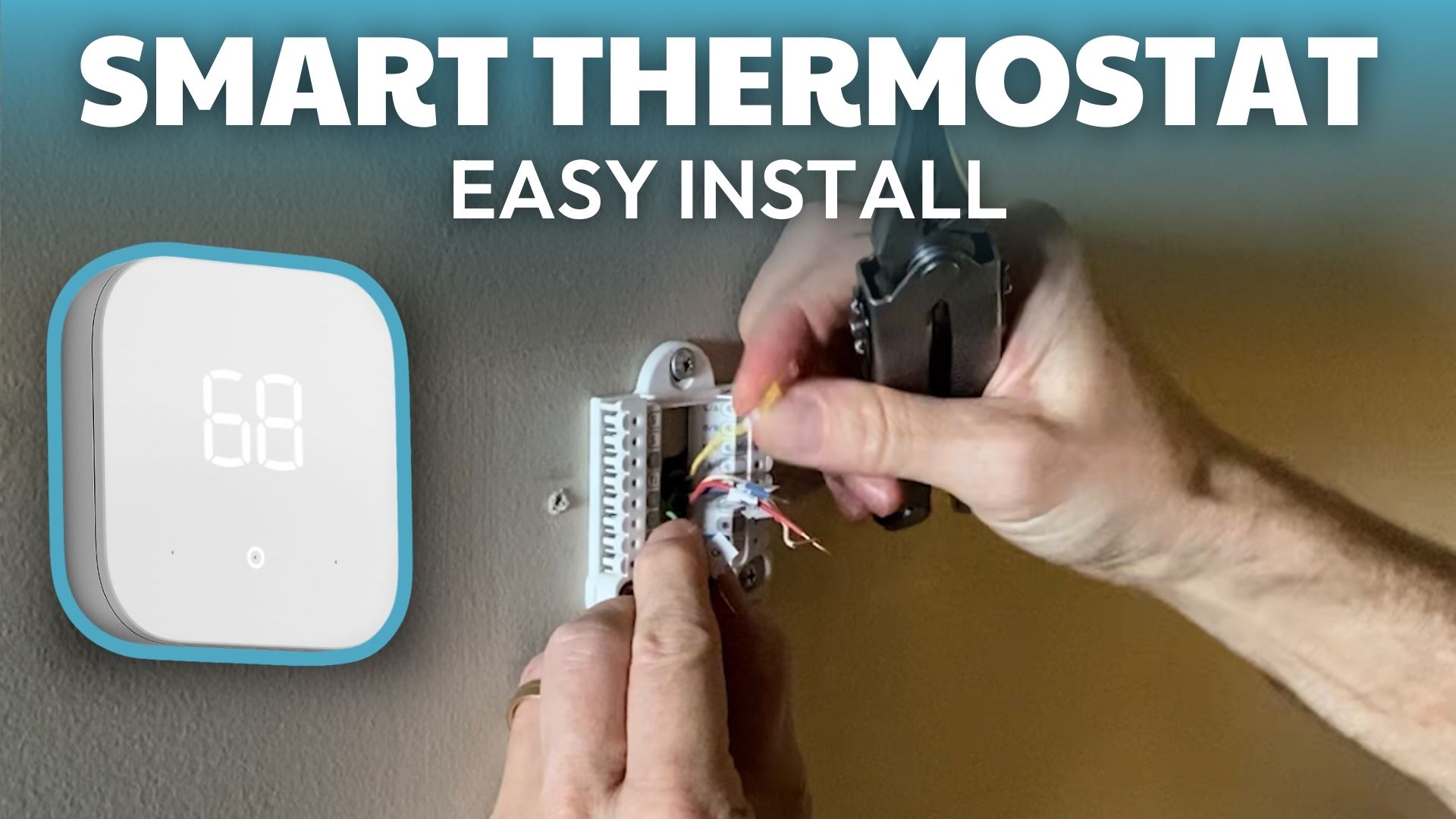
Geofencing creates a virtual boundary around your home, using your phone’s location to adjust temperature settings automatically. When you leave, the system shifts to eco-mode; upon return, it pre-conditions the space. This eliminates wasted heating or cooling while you are at work or on vacation, reducing HVAC runtime significantly without requiring manual adjustments or remembering to change settings before leaving the house. -
Energy monitoring smart plugs
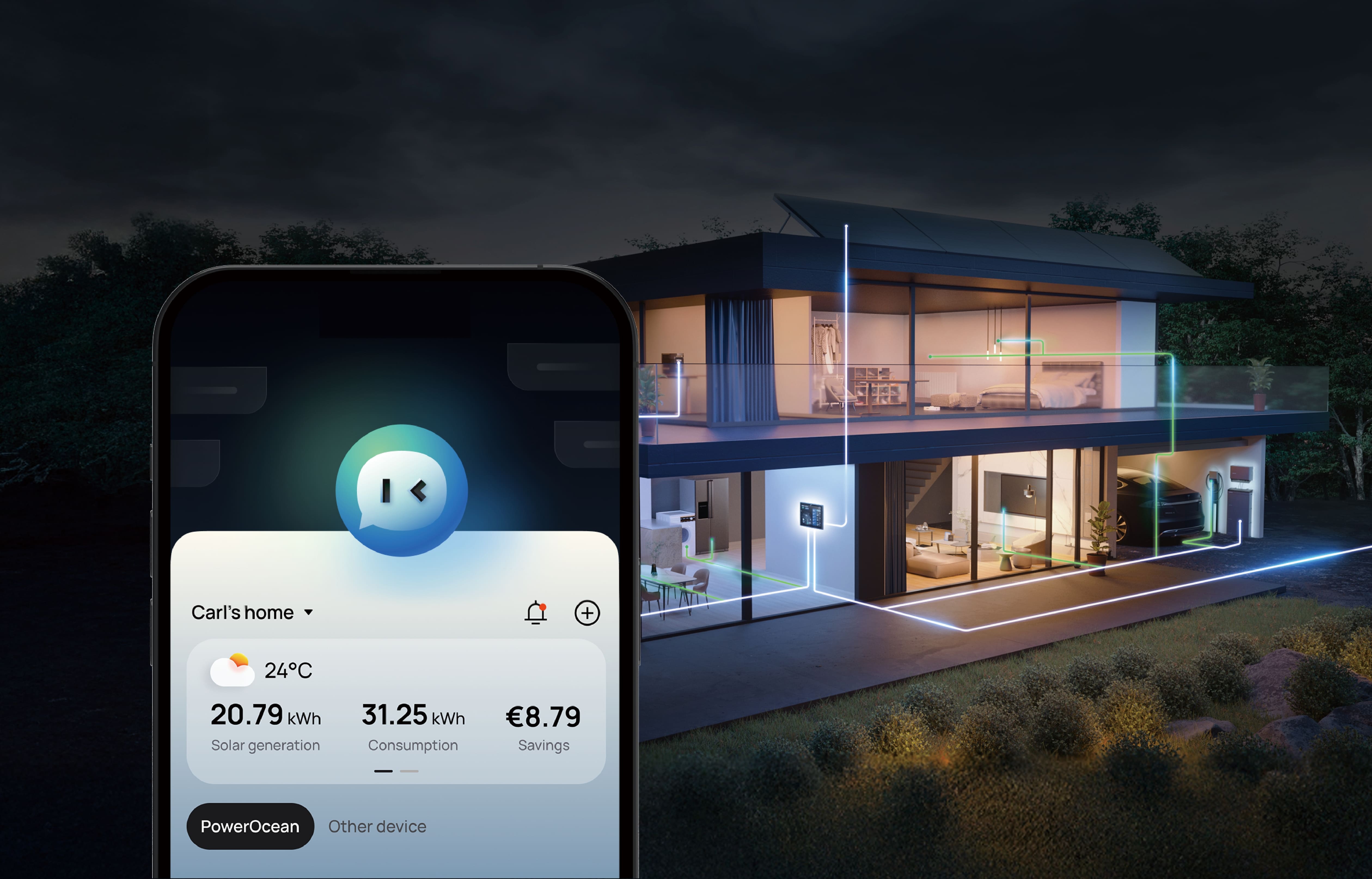
Standard smart plugs only toggle power, but energy-monitoring versions provide real-time data on wattage consumption. By tracking usage of high-draw devices like refrigerators or old electronics, you identify "vampire loads" draining power overnight. This visibility allows you to unplug or schedule cutoffs for specific appliances, turning vague electricity bills into actionable data points for reducing monthly utility costs through precise consumption control. -

Leak detection water sensors
Water damage is a leading cause of expensive home repairs, often going unnoticed until it is too late. Place battery-powered sensors near water heaters, washing machines, and under sinks to detect moisture instantly. These devices send immediate alerts to your smartphone, allowing you to shut off the main valve remotely or call a plumber before a small drip becomes a catastrophic flood, saving thousands in potential restoration costs. -

Automated smart window blinds
Solar heat gain accounts for a significant portion of cooling loads in summer. Automated blinds with light sensors close during peak afternoon sun, blocking heat before it enters the room. In winter, they open to allow passive solar warming. This passive climate control reduces the strain on your HVAC system, lowering energy bills while maintaining consistent indoor comfort levels without manual intervention or reliance on artificial cooling methods. -

AI-driven security camera system
Traditional cameras record everything, creating storage waste and alert fatigue. AI-driven systems use edge computing to distinguish between people, vehicles, and animals, sending only relevant alerts. This reduces cloud storage costs by ignoring irrelevant motion like swaying trees. Additionally, features like package detection or loitering alerts provide proactive security, potentially lowering insurance premiums while ensuring you only pay for meaningful event retention and analysis.
Pick the right fit
Choosing smart upgrades that actually save money means looking past the marketing hype. In 2026, the best systems are unified and energy-aware rather than just convenient. Use this simple framework to filter out gadgets that drain your wallet and keep the ones that pay you back.
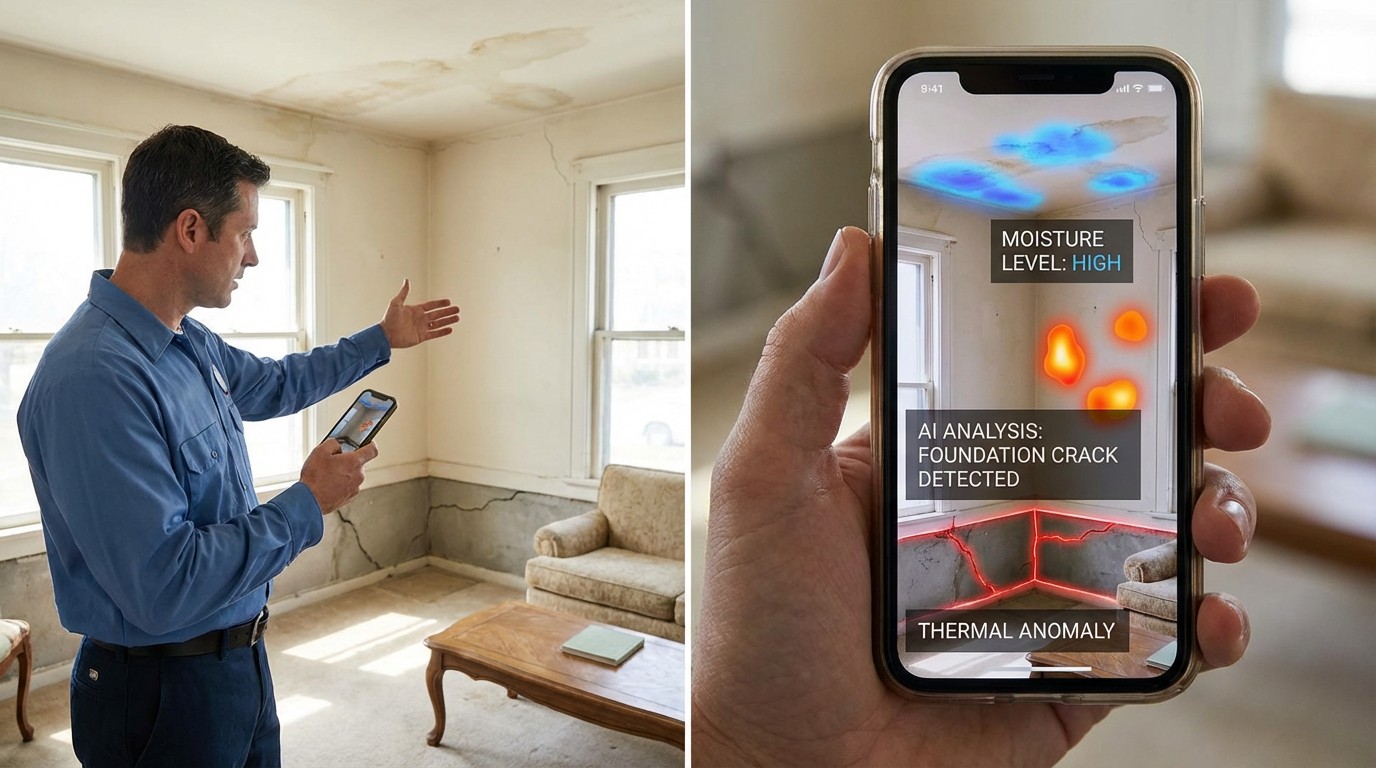
Before buying new devices, verify your home’s network strength and electrical capacity. Weak Wi-Fi signals cause smart plugs to drop offline, creating more frustration than savings. Ensure your router can handle the bandwidth of multiple simultaneous connections.
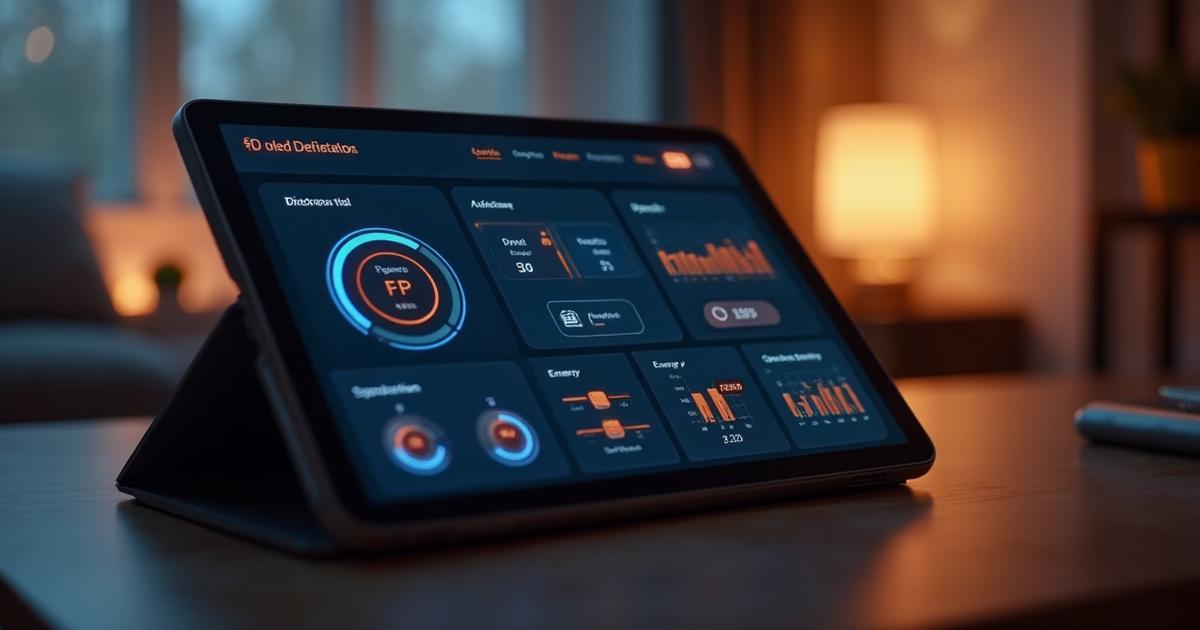
Focus on devices that directly reduce utility bills, such as smart thermostats and energy monitors. Look for products certified by Energy Star or similar bodies. These tools provide data that helps you identify waste, turning abstract savings into measurable reductions on your monthly statement.
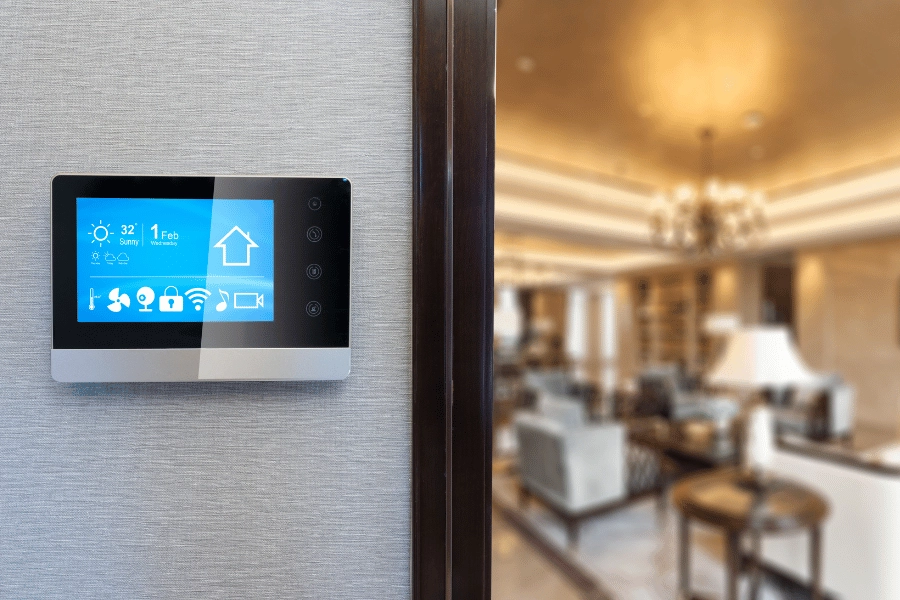
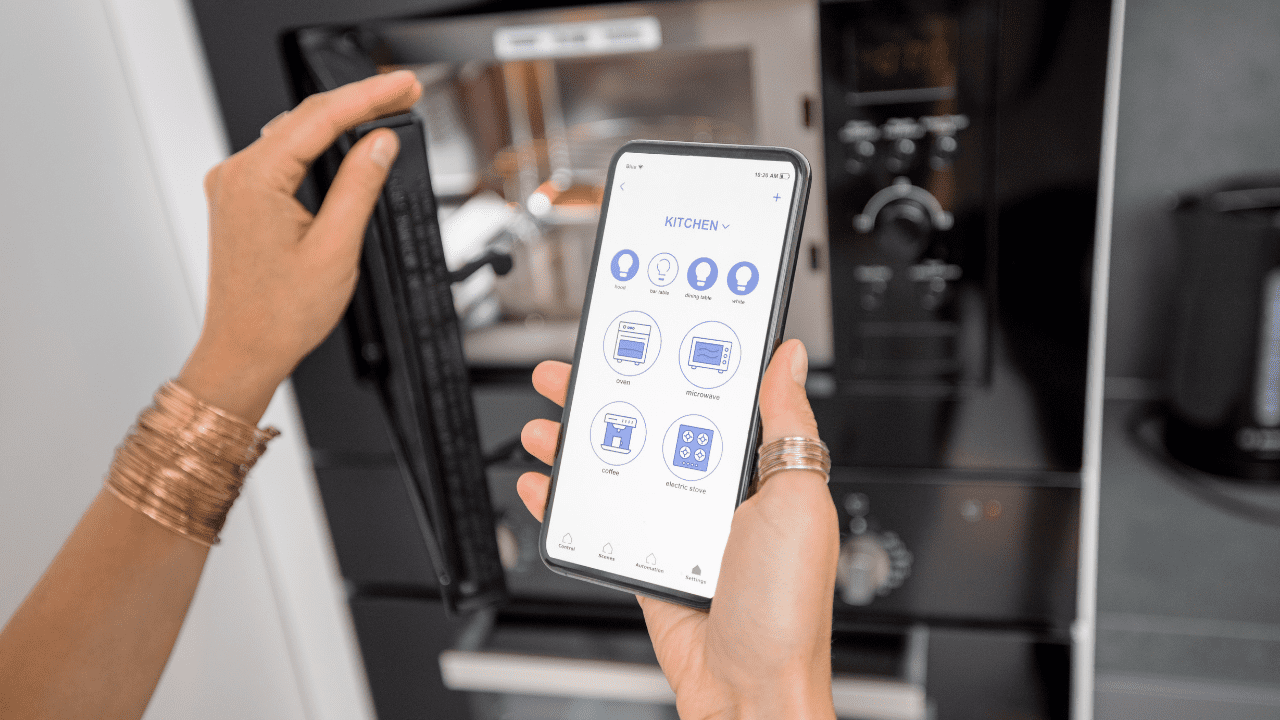
Choose devices that work within a single ecosystem, like Apple Home, Google Home, or Amazon Alexa. Mixing brands often leads to fragmented apps and limited automation. A unified system allows you to create routines, like turning off all lights when you leave, without manual intervention.
Check if the manufacturer provides regular firmware updates and has a history of supporting older models. Abandoned devices become security risks and stop working after a few years. Reputable brands commit to long-term software maintenance, protecting your initial investment.
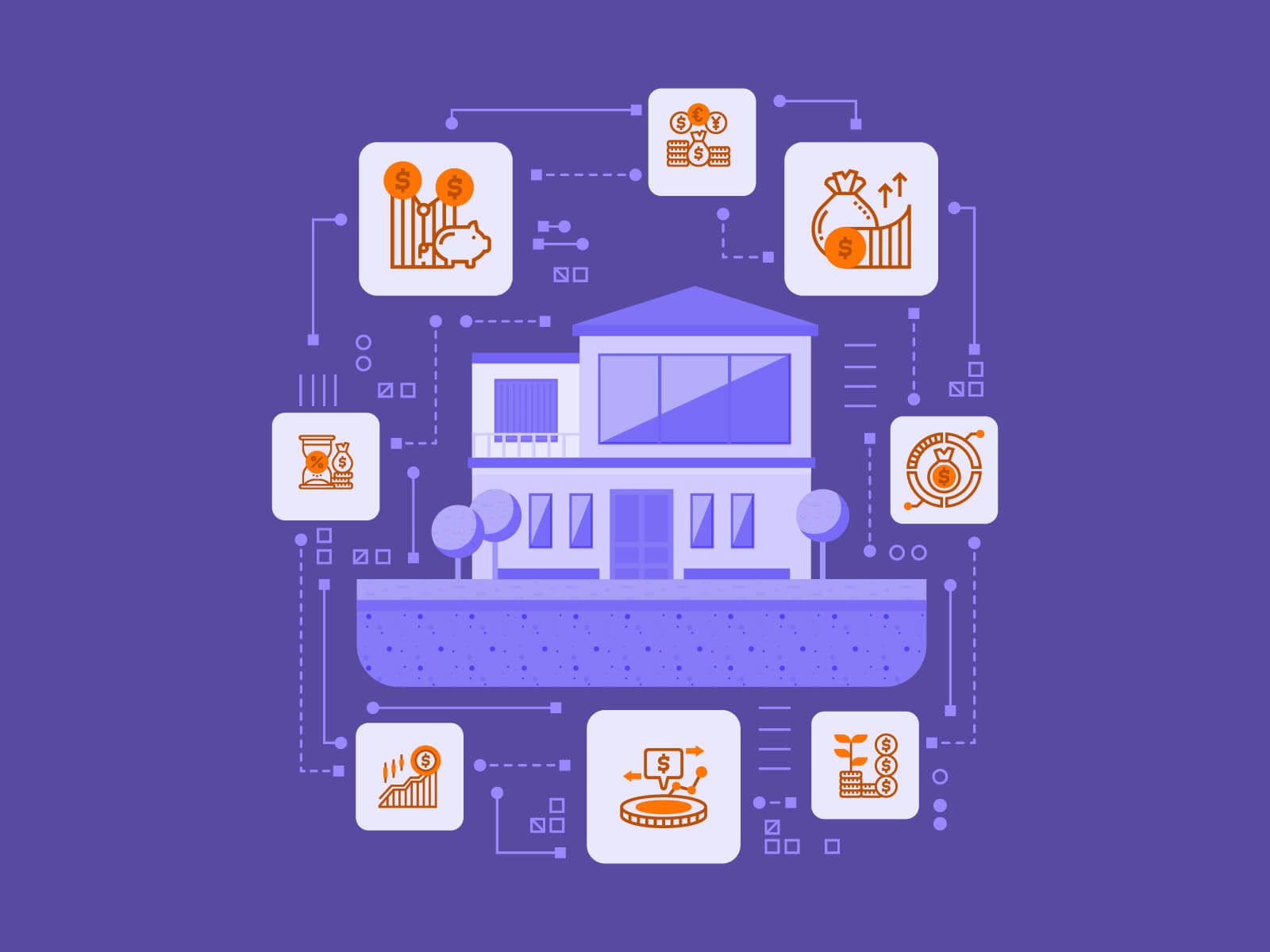
Estimate how long it will take for the device to pay for itself through energy savings or increased home value. Avoid gadgets with high upfront costs and minimal functional benefits. If a device costs $200 but only saves $10 a year, it is not a smart upgrade for 2026.

As an Amazon Associate, we may earn from qualifying purchases.
| Feature | Why It Matters |
|---|---|
| Ecosystem Compatibility | Prevents app clutter and broken automations |
| Energy Monitoring | Provides data to cut utility bills |
| Firmware Updates | Ensures security and long-term functionality |
Smart Home Upgrade Questions Answered
This section addresses the practical questions that come up when planning a 2026 AI home audit. These upgrades focus on tangible savings and reduced complexity rather than chasing every new gadget on the market.
Do smart home upgrades actually save money?
Yes, but only if you target energy consumption and maintenance. Smart thermostats and leak detectors prevent waste before it becomes a costly repair. The savings come from efficiency, not just convenience.
Is it better to keep devices local or in the cloud?
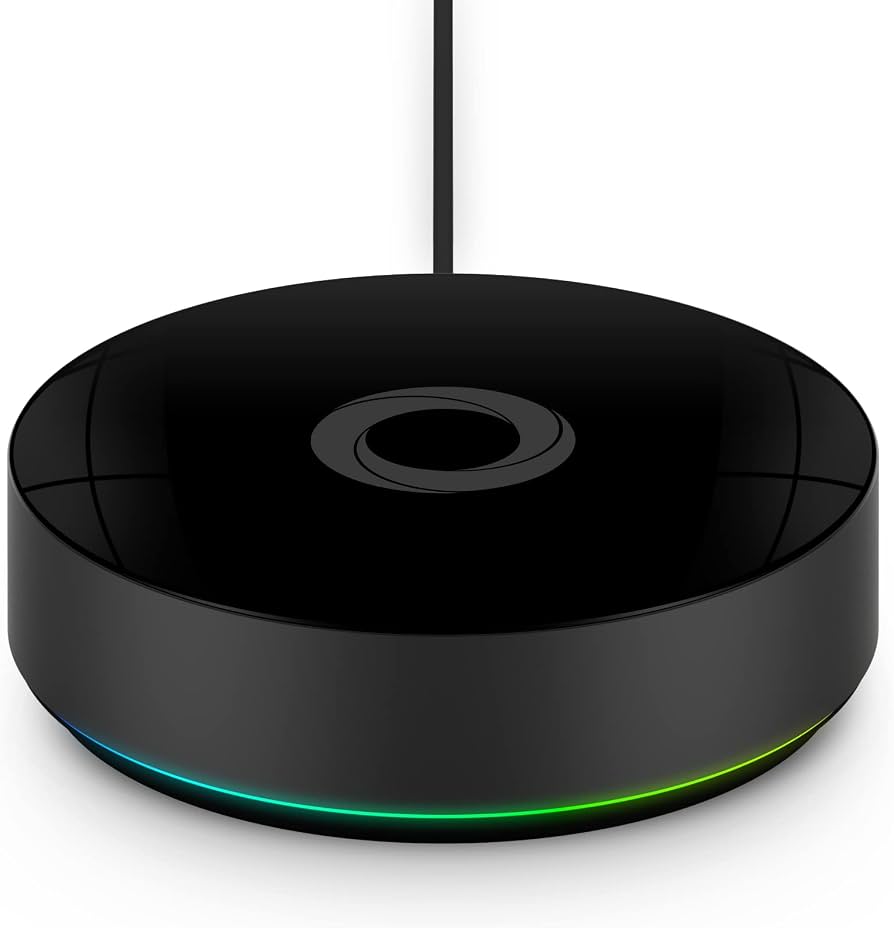
Local processing is faster and more private. When your hub handles automation locally, devices respond instantly even if the internet drops. Cloud features are useful for remote access, but the core logic should stay on-premise.
What is the best smart home standard for 2026?
Zigbee and Z-Wave remain reliable for battery-powered sensors due to their low power use. Matter is gaining ground for cross-platform compatibility. Choose a hub that supports both to future-proof your setup.
How do I start without replacing everything?
Begin with a smart plug or a single sensor. Test the automation in one room before expanding. This approach lets you evaluate the reliability and ease of use before committing to a full system overhaul.
No comments yet. Be the first to share your thoughts!