
Base layers 2026 budget
Finding a base layer that balances cost with performance doesn't require guessing. The market has shifted from expensive merino wool to synthetic smart fabrics that offer better value for most activities. You can get durable, moisture-wicking gear for under $50, but you need to know what to look for to avoid thin, short-lived options.
Key Budget Picks
Smartwool Merino 150 A lightweight option that uses wool blends to reduce cost while keeping odor resistance. Best for cool days or low-intensity hikes.

Icebreaker 200 Oasis Mid-weight merino that balances price and longevity. Ideal for variable conditions where you need reliable temperature regulation.

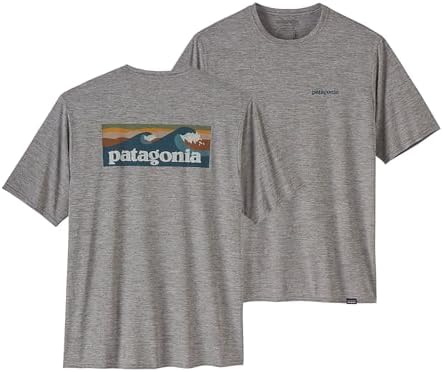
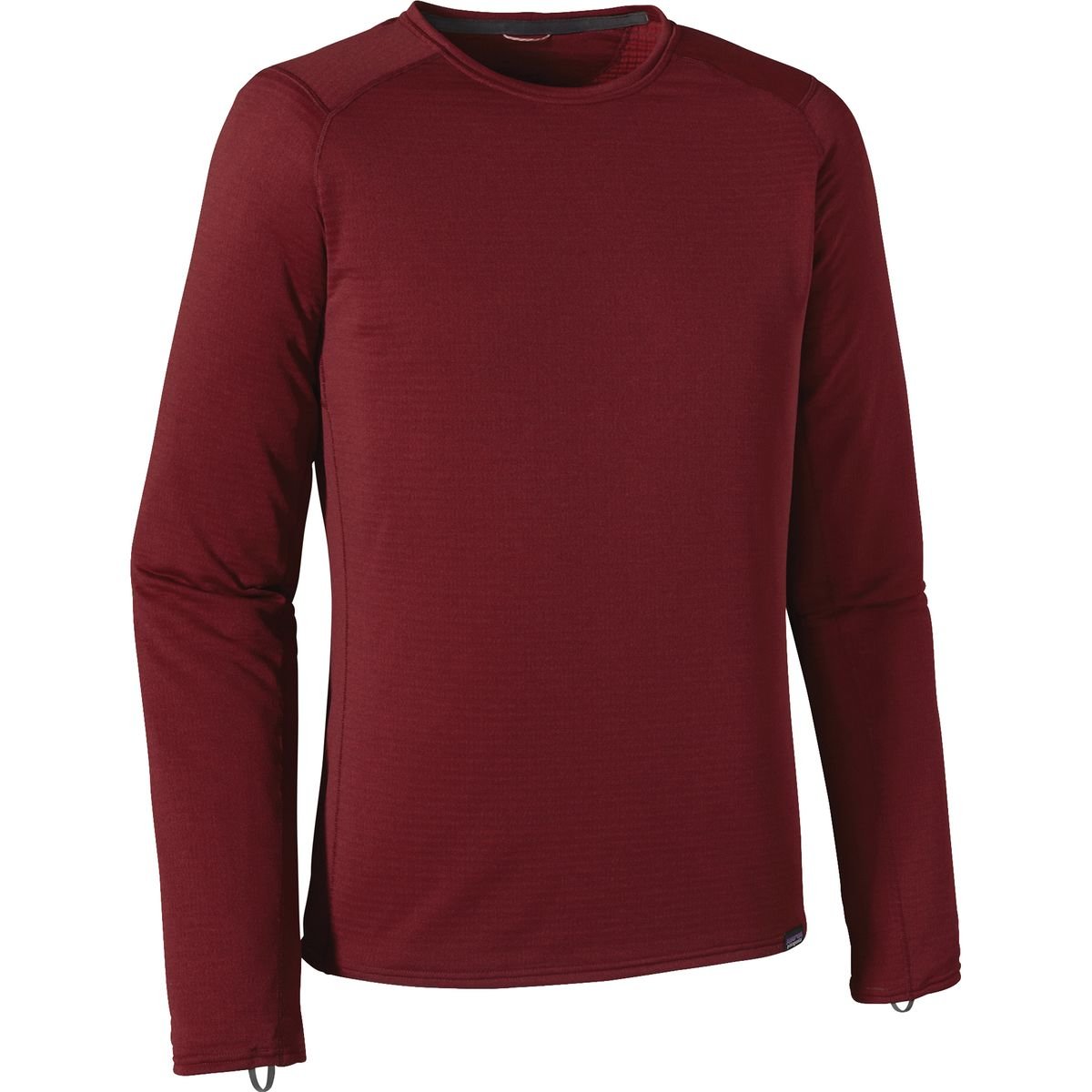
Patagonia Capilene Cool Daily Synthetic fabric that dries fast and costs less than wool. Perfect for high-output activities in warm weather.
Shortlist real options
The Base Layer works best as a clear sequence: define the constraint, compare the realistic options, test the tradeoff, and choose the path with the fewest hidden costs. That order keeps the advice usable instead of decorative. After each step, pause long enough to check whether the recommendation still fits the reader's actual situation. If it depends on perfect timing, unusual access, or a best-case budget, include a simpler fallback.
| Factor | What to check | Why it matters |
|---|---|---|
| Fit | Match the option to the primary use case. | A good deal still fails if it does not fit the job. |
| Condition | Verify age, wear, and service history. | Hidden condition issues erase upfront savings. |
| Cost | Compare purchase price with likely upkeep. | The cheapest option is not always the lowest-cost option. |
Inspect the expensive parts
The Base Layer works best as a clear sequence: define the constraint, compare the realistic options, test the tradeoff, and choose the path with the fewest hidden costs. That order keeps the advice usable instead of decorative. After each step, pause long enough to check whether the recommendation still fits the reader's actual situation. If it depends on perfect timing, unusual access, or a best-case budget, include a simpler fallback.
Ownership costs and maintenance surprises
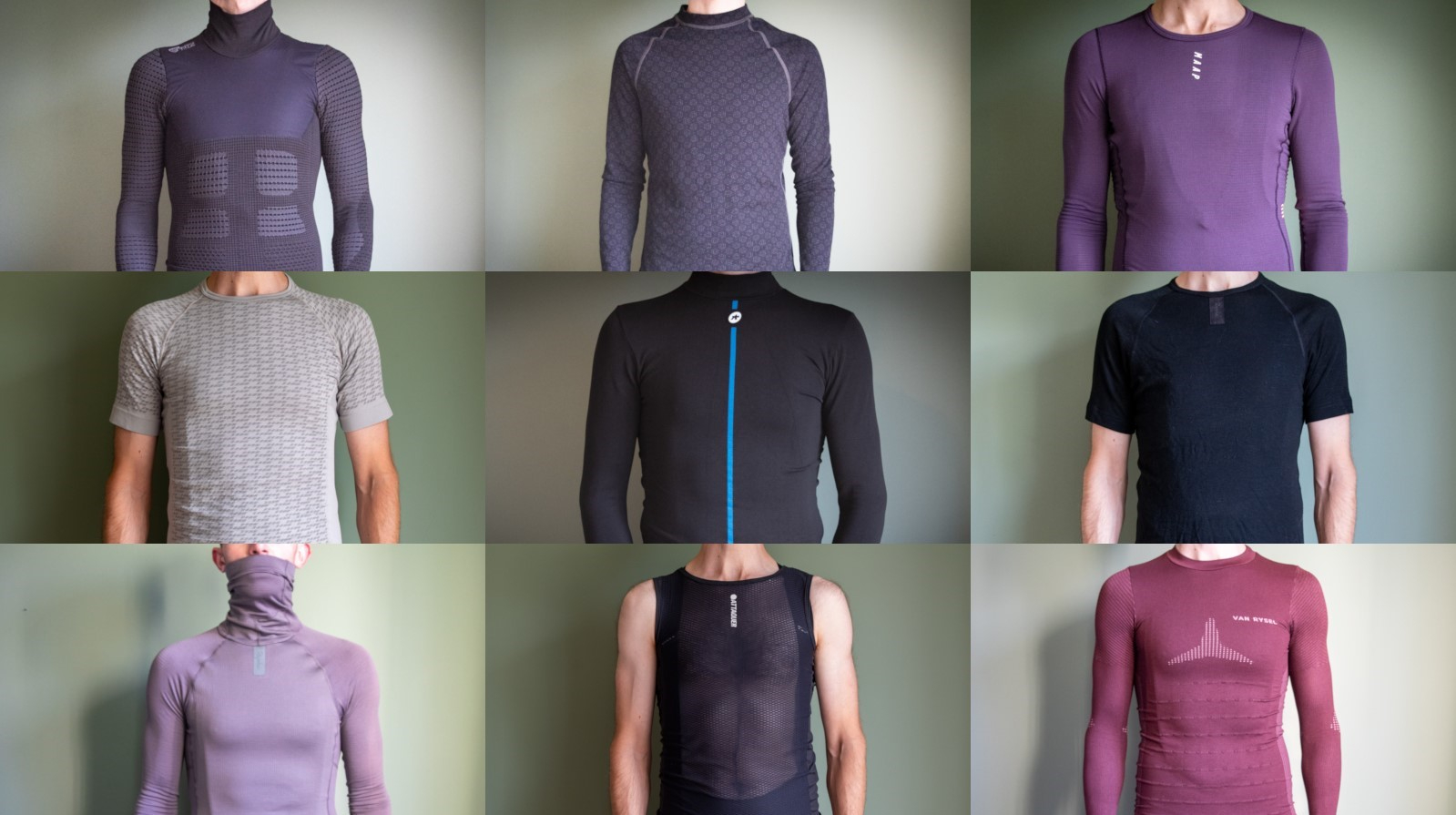
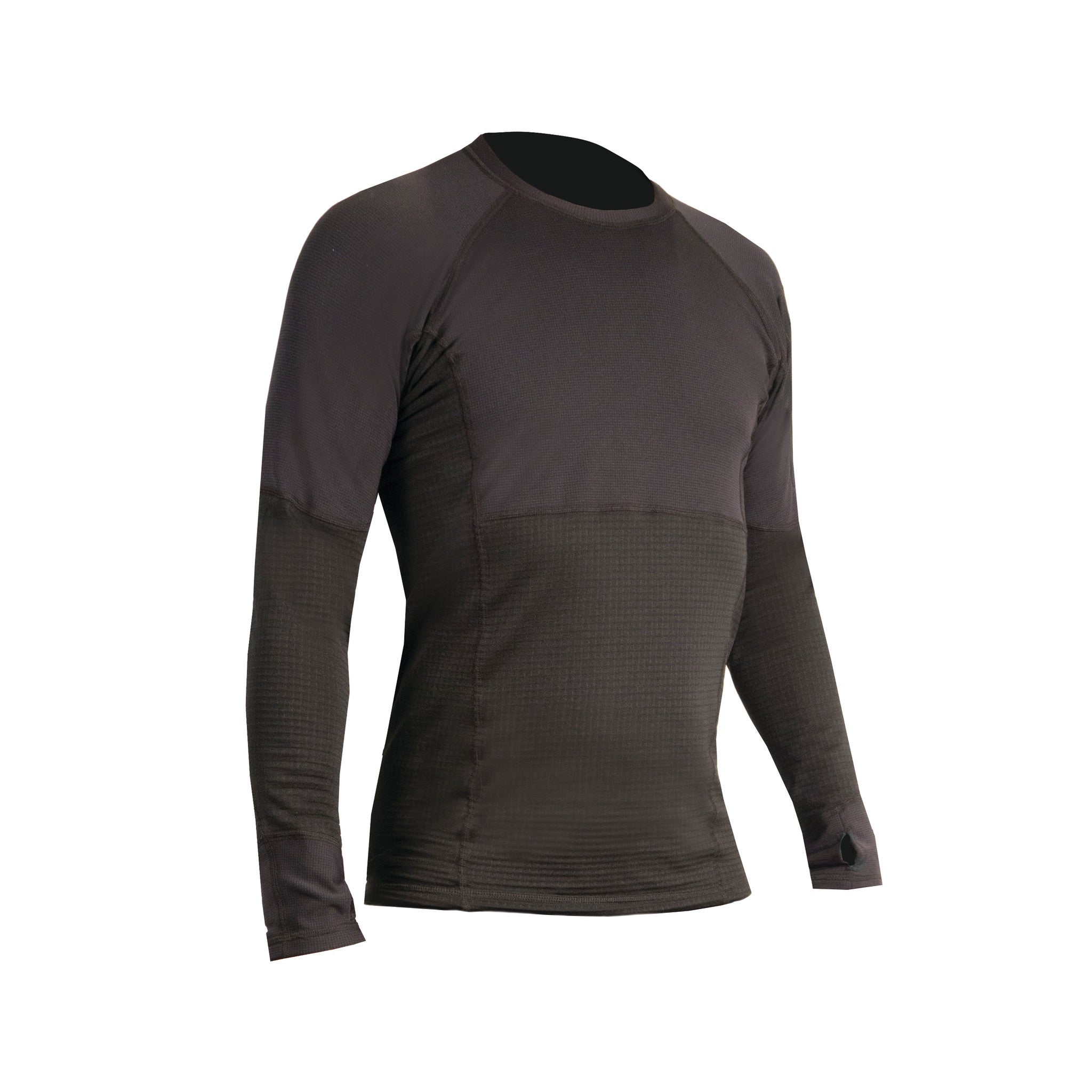
Merino wool and smart fabrics demand a different approach to ownership than cheap synthetics. A $120 base layer is not a one-time purchase; it is a subscription to careful care. If you throw it in the dryer or wash it with heavy-duty detergent, you will ruin the fabric's moisture-wicking ability within a year. That makes the effective cost per wear much higher than a $30 polyester shirt that you can abuse and replace.
The real cost trap is hidden in the laundry routine. Merino requires cold water, mild soap, and air drying. Smart fabrics often require specific detergents free of fabric softeners and optical brighteners, which clog the microscopic pores of the material. If you skip these steps, the layer stops wicking sweat and starts trapping it, turning a high-performance garment into a cold, clammy weight.
When a cheap buy stops being cheap is usually when the seams fail or the fabric pills. Cheap synthetic base layers often use lower-grade polyester that retains body odor and loses elasticity after five washes. You end up buying three or four cheap layers to match the lifespan of one quality merino or smart fabric piece. The upfront price is lower, but the long-term value is worse.


As an Amazon Associate, we may earn from qualifying purchases.
Base layers 2026: what to check next
These answers cover the most common doubts readers have when upgrading their winter kit. If you are still unsure which fabric weight to choose, check our detailed comparison of lightweight vs. heavyweight options above.
No comments yet. Be the first to share your thoughts!