
Start with home office trends 2026
Use this section to make the The Home Office Blueprint decision easier to compare in real life, not just on paper. Start with the reader's actual constraint, then separate must-have requirements from details that are merely nice to have. A practical choice should survive normal use, maintenance, timing, and budget. If a recommendation only works in an ideal situation, call that out plainly and give the reader a fallback path.
The simplest way to use this section is to write down the must-have criteria first, then compare each option against those criteria before weighing nice-to-have features.
5 AI-Driven Workspace Upgrades That Boost Productivity
These five AI-driven workspace upgrades move beyond generic smart-home gimmicks to solve specific friction points in your daily workflow. Each selection focuses on tangible productivity gains, balancing immediate utility with the practical tradeoffs of integration and cost.
-
AI-powered ambient light tuning
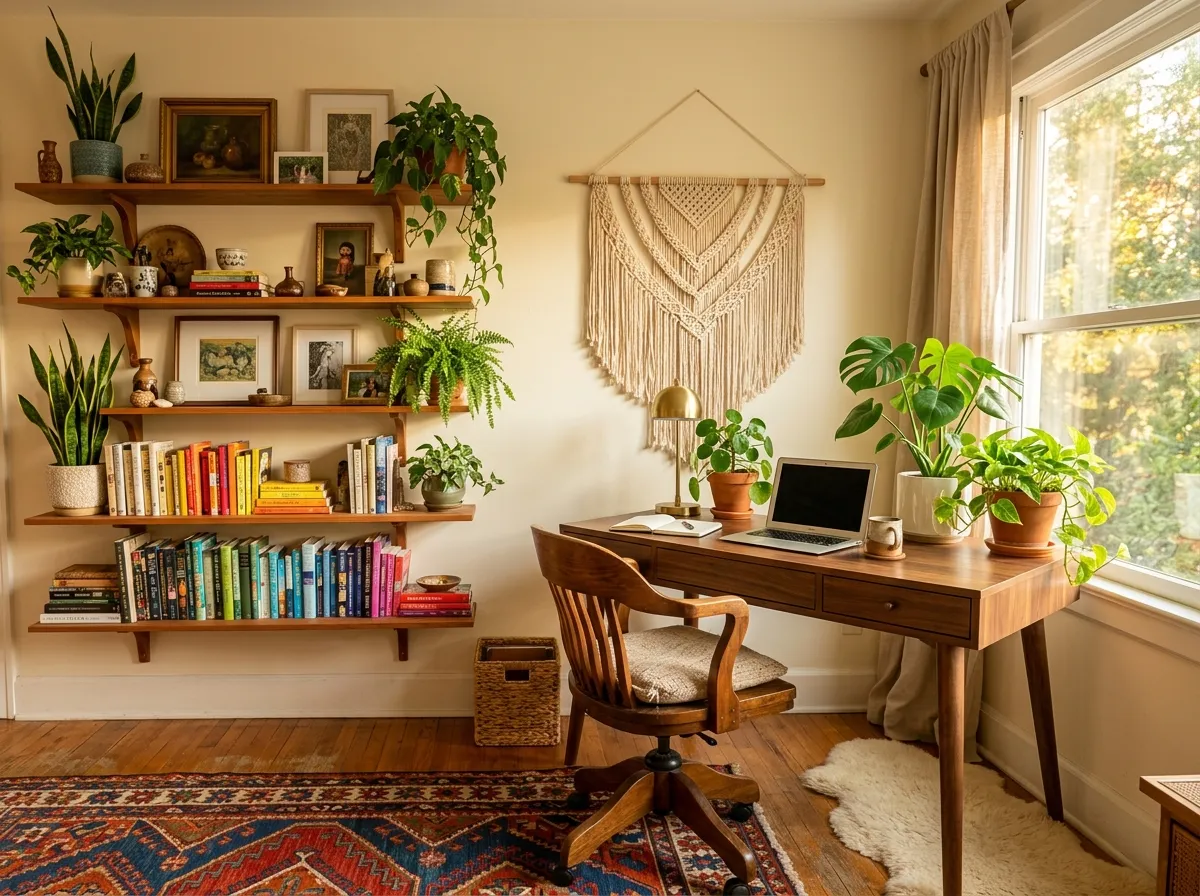
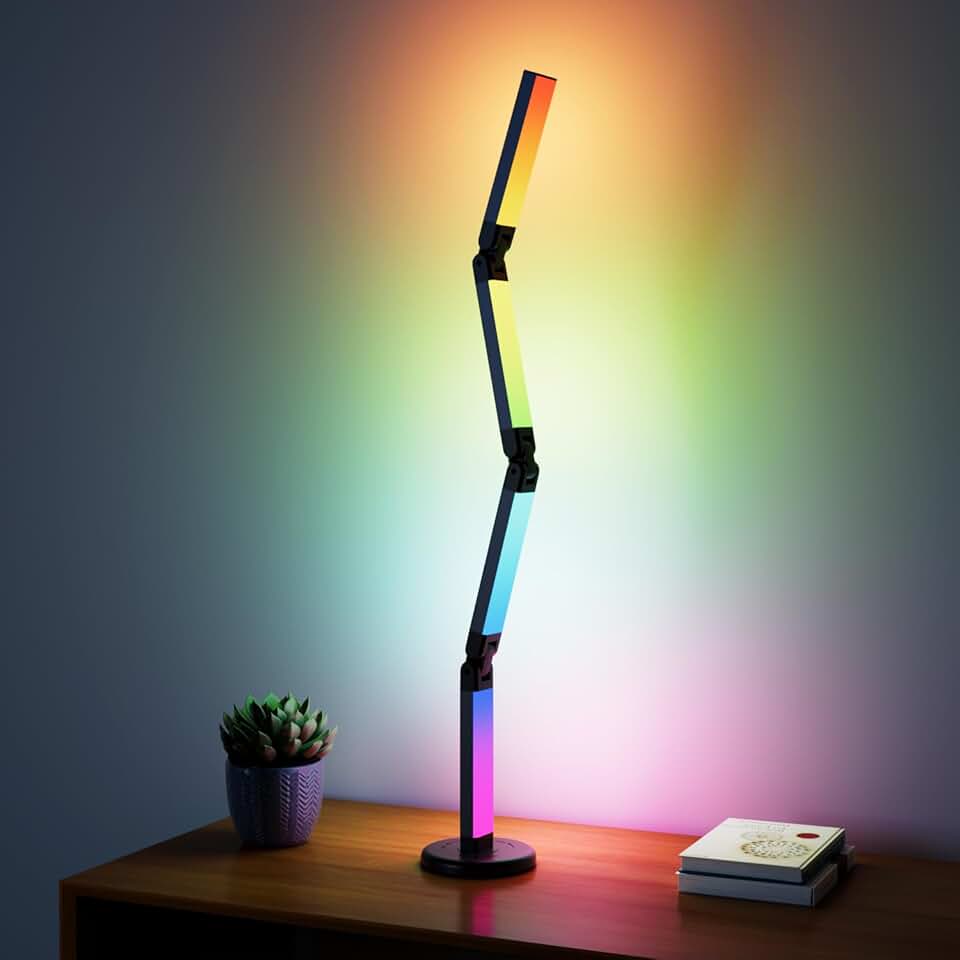
Smart bulbs like the Philips Hue Gradient Lightstrip sync with circadian rhythms to adjust color temperature throughout the day. Morning cool blue light boosts alertness, while evening warm amber tones signal wind-down. This dynamic adjustment reduces eye strain and maintains focus without manual intervention, creating a workspace that physically supports your energy levels rather than fighting them. -
Predictive noise cancellation zones
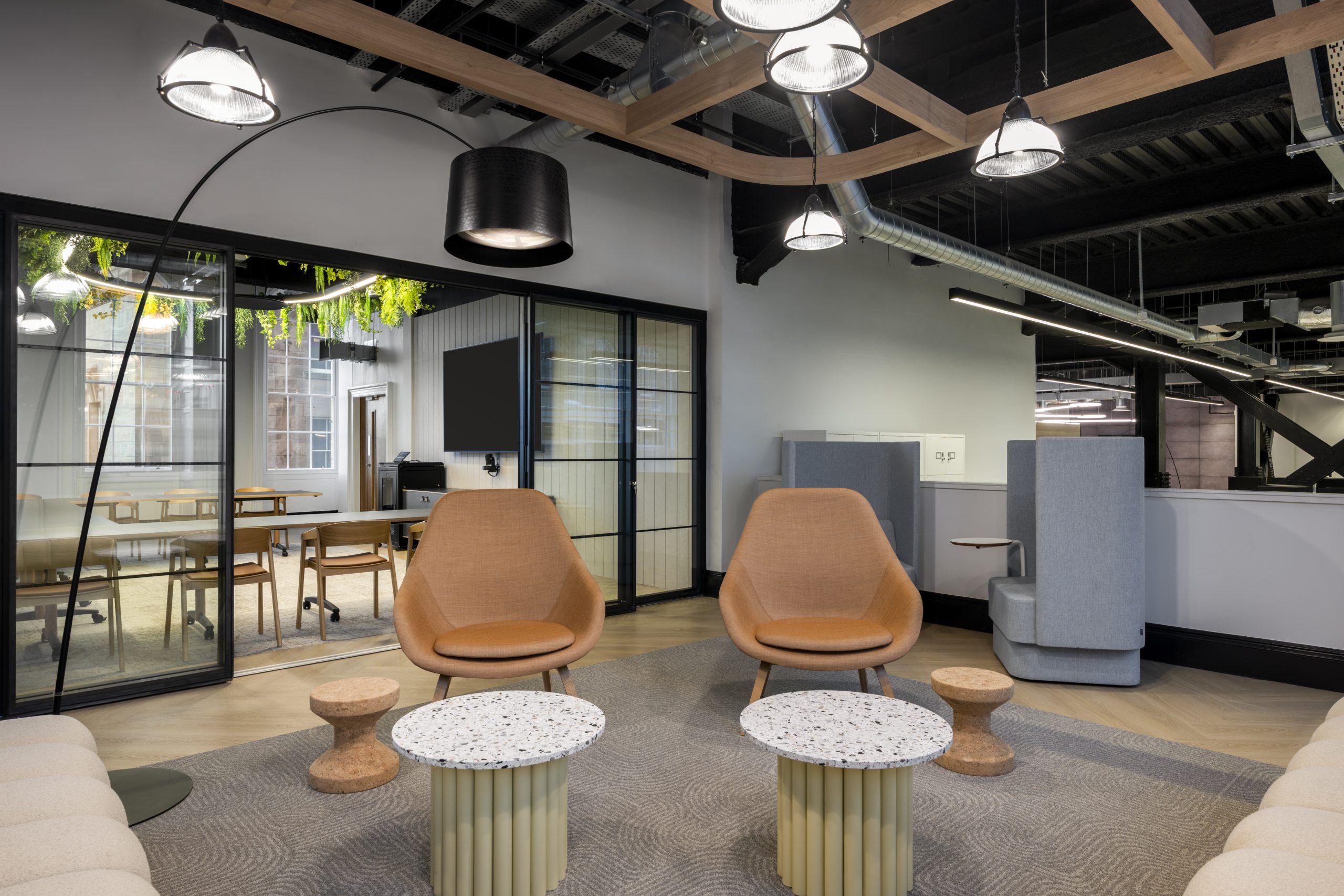
Headsets such as the Sony WH-1000XM5 use machine learning to identify and block recurring background sounds like keyboard clatter or distant traffic. Unlike static cancellation, these systems adapt in real-time to your environment. This creates a consistent auditory bubble, allowing for deep work sessions even in chaotic household settings where traditional noise isolation fails to provide adequate silence. -
Smart desk posture correction
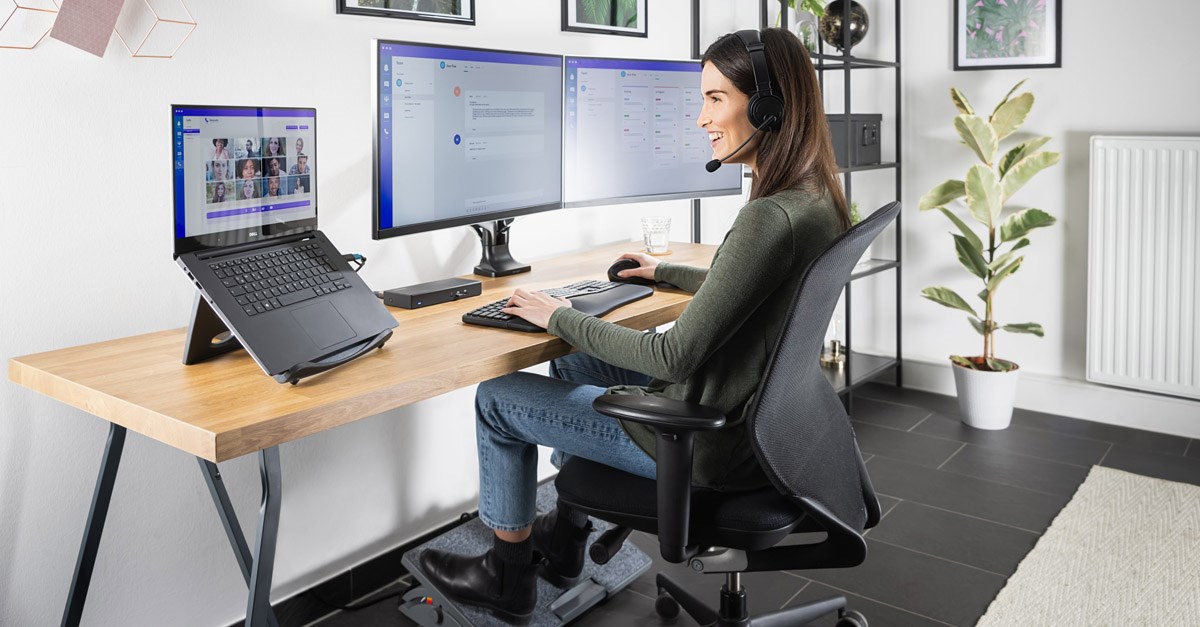
Devices like the Upright Go 2 attach to your back and vibrate gently when you slouch. Over time, the AI learns your specific bad habits and triggers alerts before pain sets in. This subtle, continuous feedback loop helps retrain muscle memory, ensuring you maintain ergonomic alignment during long hours without the need for constant manual posture checks or expensive ergonomic furniture. -
AI-driven meeting summarization
Tools like Otter.ai transcribe calls and generate concise action items automatically. By removing the need to take manual notes, you stay fully engaged in the conversation. This technology captures key decisions and deadlines accurately, reducing post-meeting administrative work and ensuring no critical detail is lost, which directly boosts daily productivity and professional accountability. -

Automated task prioritization dashboards
Applications like Notion AI analyze your project lists and suggest daily priorities based on deadlines and past completion rates. Instead of manually organizing tasks, the AI highlights what matters most each morning. This reduces decision fatigue and ensures you tackle high-impact work first, streamlining your workflow and preventing important projects from slipping through the cracks due to poor planning.
Pick the right fit
Choosing the right upgrade starts with matching the tool to your actual workflow, not just following a trend. A smart desk is only as useful as the space it occupies, and AI features are only helpful if they solve a specific friction point in your day.
Think of your workspace as a system of levers. You want to pull the ones that move the needle on focus and comfort, rather than stacking gadgets that create more clutter. Here is how to evaluate each option against your daily reality.
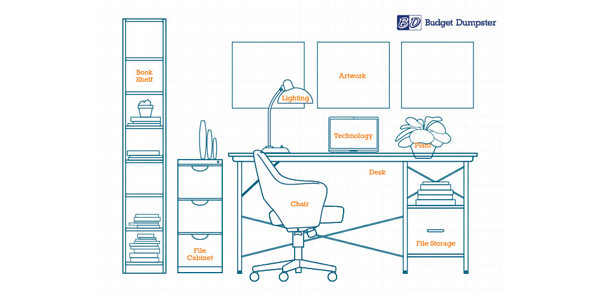
Identify the single biggest distraction or physical strain in your routine. If eye strain is the issue, prioritize smart lighting with circadian rhythm support. If context-switching is the problem, look for AI-driven notification blockers or automated scheduling tools. Don't buy a solution for a problem you don't have.
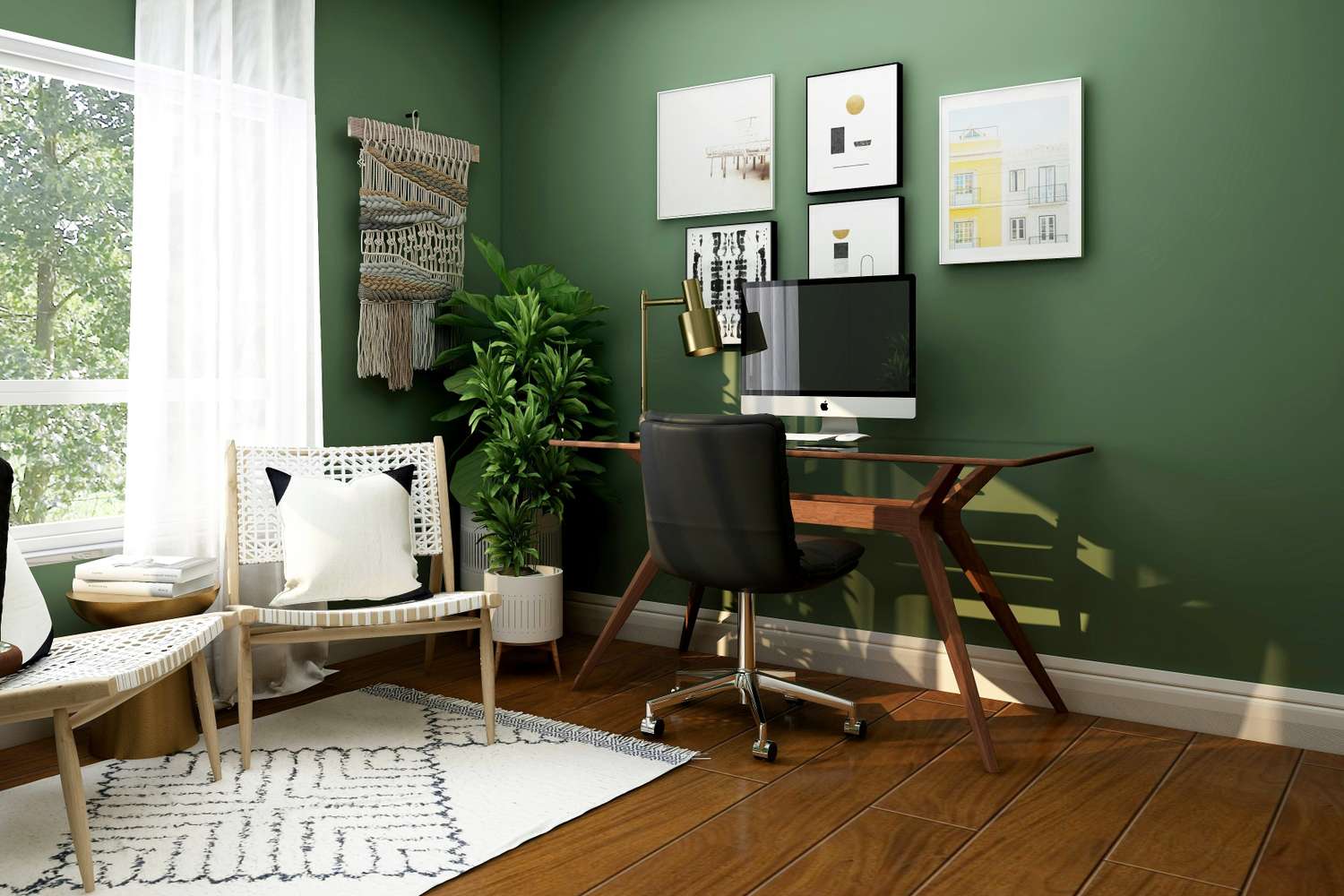
Most AI upgrades fail because they sit in a silo. Ensure the device or software integrates with the tools you already use, like Slack, Notion, or your operating system. If an AI assistant requires a separate app and login, the friction will likely cause you to abandon it within a week.
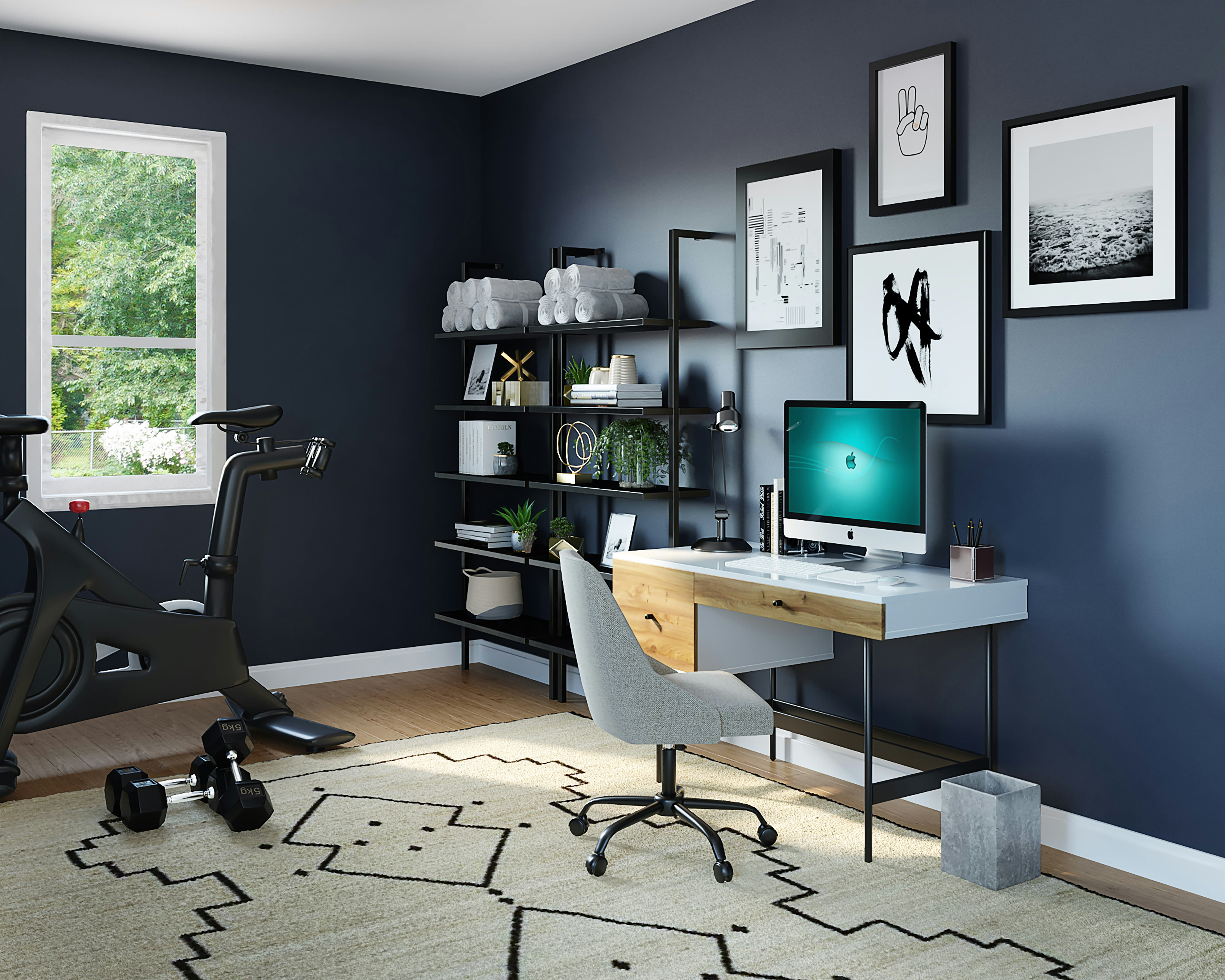
AI-driven tools often require data processing. Review the privacy policy of any new gadget or software. Prefer local processing options where possible, especially for sensitive documents or voice commands. If the data leaves your home, understand exactly where it goes and how it is used.


As an Amazon Associate, we may earn from qualifying purchases.
FAQ: AI-Driven Home Office Upgrades
What are the home style trends for 2026?
The 2026 home office style moves away from sterile, corporate aesthetics toward warm, organic spaces that feel like a natural extension of the living room. Designers are prioritizing sustainable craftsmanship, using aged woods, textured fabrics, and meaningful objects to create a cozy, inviting atmosphere. The goal is a "wellness zone" that supports deep focus without feeling like a traditional workspace. This shift blends personal comfort with professional functionality, ensuring the space remains stylish even when not in use.
What are the trends for home office colors in 2026?
Color palettes for 2026 home offices are shifting toward bold, energizing schemes rather than safe neutrals. Expect to see rich earth tones, deep greens, and warm terracottas that promote calm and concentration. Accents of vibrant blues or yellows are being used to stimulate creativity and break up monotony. These colorful schemes are designed to enhance mood and productivity, creating a visually stimulating environment that feels both modern and grounded in nature.
What are the trends for office design in 2026?
Modern office design in 2026 focuses on acoustics, zoning, and ergonomic intelligence. The "desk farm" concept is dead; instead, spaces are zoned for specific tasks—deep work, collaboration, and relaxation. Lighting that feels like home, rather than harsh fluorescent overheads, is a standard requirement. Curves and character are replacing sharp, industrial lines, with furniture designed to support posture and well-being. The result is a highly personalized environment that adapts to the user's daily rhythm.
What are the must-have home office gadgets for 2026?
The must-have gadgets for 2026 are those that seamlessly integrate AI to reduce friction. Key items include smart lighting systems that adjust color temperature based on circadian rhythms, AI-powered noise-canceling headsets with real-time transcription, and ergonomic monitors with built-in posture correction. These tools are not just about tech for tech's sake; they are about creating a "smart workspace" that anticipates needs, minimizes distractions, and boosts overall efficiency without requiring constant manual adjustment.
No comments yet. Be the first to share your thoughts!