
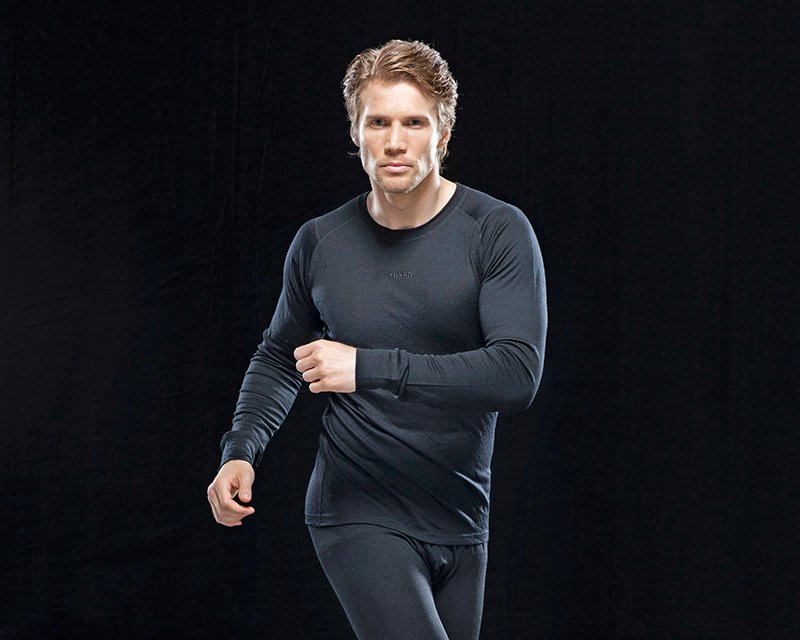
Budget base layers: 2026 trends
Finding a base layer that balances cost, age, and condition is less about finding the cheapest option and more about understanding the tradeoffs. In 2026, the market is split between durable merino blends and high-performance synthetics, each offering different value propositions depending on how often you plan to wear them.
For casual users, budget-friendly synthetic options from brands like Ibex and SmartWool provide reliable moisture-wicking without the premium price tag of technical expedition gear. These layers hold up well for weekend hikes or daily commutes, though they may require more frequent washing to maintain odor control compared to higher-end merino options.
If you prioritize longevity, investing in a mid-range merino blend often pays off. These fabrics resist odors naturally, meaning you wash them less often, which extends their lifespan. For those on a tight budget, stick to synthetic fabrics that dry quickly and are easy to replace, but avoid the lowest-tier options that tend to pill or lose shape after a few washes.
As an Amazon Associate, we may earn from qualifying purchases.
The key is to match the fabric to your usage. Heavy use demands durability and odor resistance, while occasional use allows for more budget-conscious synthetic choices. Always check the fabric weight and fit before buying, as these factors significantly impact comfort and performance in cold conditions.
Shortlist real options
The 2026 base layer market has moved past the simple wool-versus-polyester debate. Smart fabrics now prioritize moisture management, odor resistance, and sustainable sourcing without sacrificing warmth. Choosing the right layer depends on your activity level and the climate you face.
We compared the top contenders across four key metrics: material composition, warmth-to-weight ratio, odor resistance, and price point. This comparison helps you identify which fabric technology aligns with your specific needs.
| Product | Material | Warmth Level | Price Range |
|---|---|---|---|
| SmartWool PhD Merino 250 | 100% Merino Wool | High | $$$ |
| Icebreaker Tech Lite 150 | Merino Wool Blend | Medium | $$ |
| Patagonia Capilune Cool Daily | Recycled Polyester | Low | $$ |
| Ibex GoLite Merino 150 | Merino Wool Blend | Medium | $$ |
| Smartwool Merino 150 | 100% Merino Wool | Low | $$ |
| Icebreaker Oasis 150 | Merino Wool Blend | Low | $$ |
Merino wool remains the gold standard for temperature regulation, offering natural odor resistance that synthetic fibers struggle to match. However, recycled polyester options like Patagonia’s Capilune line provide superior durability and faster drying times for high-intensity activities. The choice often comes down to whether you value comfort or performance longevity.
For cold-weather adventures, heavier weight merino options like the SmartWool PhD 250 provide exceptional insulation. In contrast, lighter blends from Ibex and Icebreaker offer versatile layering solutions for transitional seasons. Always check the stitch density and seam placement to ensure comfort during extended wear.


As an Amazon Associate, we may earn from qualifying purchases.
Inspect the expensive parts
Smart fabrics are durable, but a few specific failure points can ruin a $150 base layer overnight. Most returns aren't about poor warmth; they are about seams that split, elastic that fails, or moisture-wicking coatings that wash out. Treat your inspection like a mechanic checking a car before a long trip. If the weak links hold up, the garment will last for years. If they don't, you are paying for a short-term experiment.
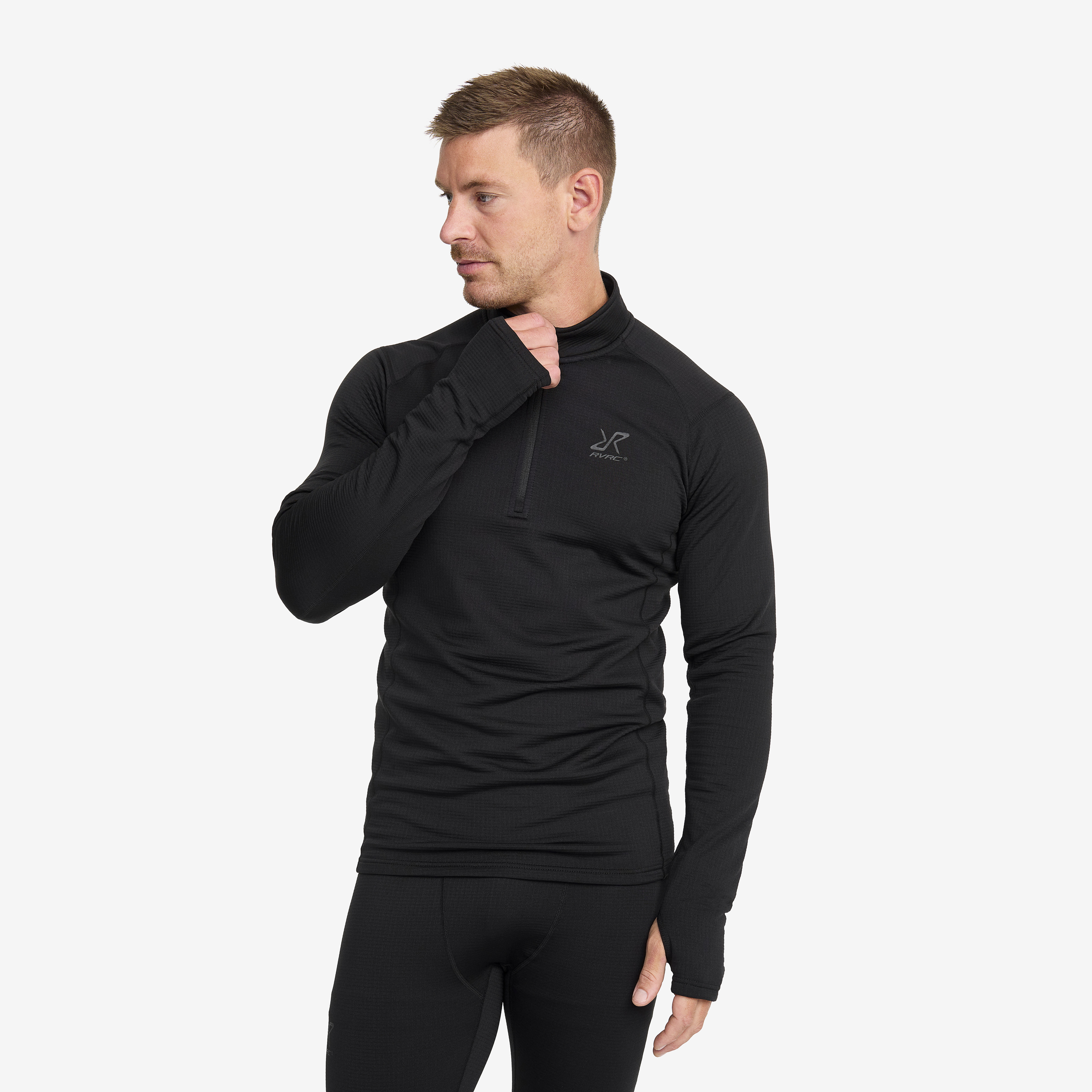
Look at the underarms and the crotch. These are the high-friction zones where cheap stitching gives out first. High-end smart fabrics use flat-lock stitching or bonded seams. Run your thumb along the inside; it should feel smooth, not ridged. If you see loose threads or raised, bulky seams, the garment will chafe and likely tear within a few months of regular use.
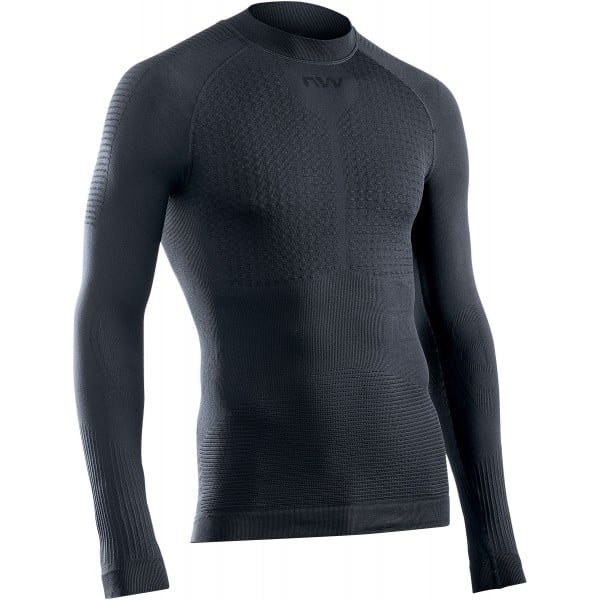
The waistband takes the most stress during movement. Stretch it horizontally and vertically. It should snap back to its original shape immediately without looking wavy or distorted. If the fabric remains stretched out, the elastic threads inside have degraded. A sagging waistband is the fastest way to lose the "second skin" fit that makes smart fabrics comfortable.
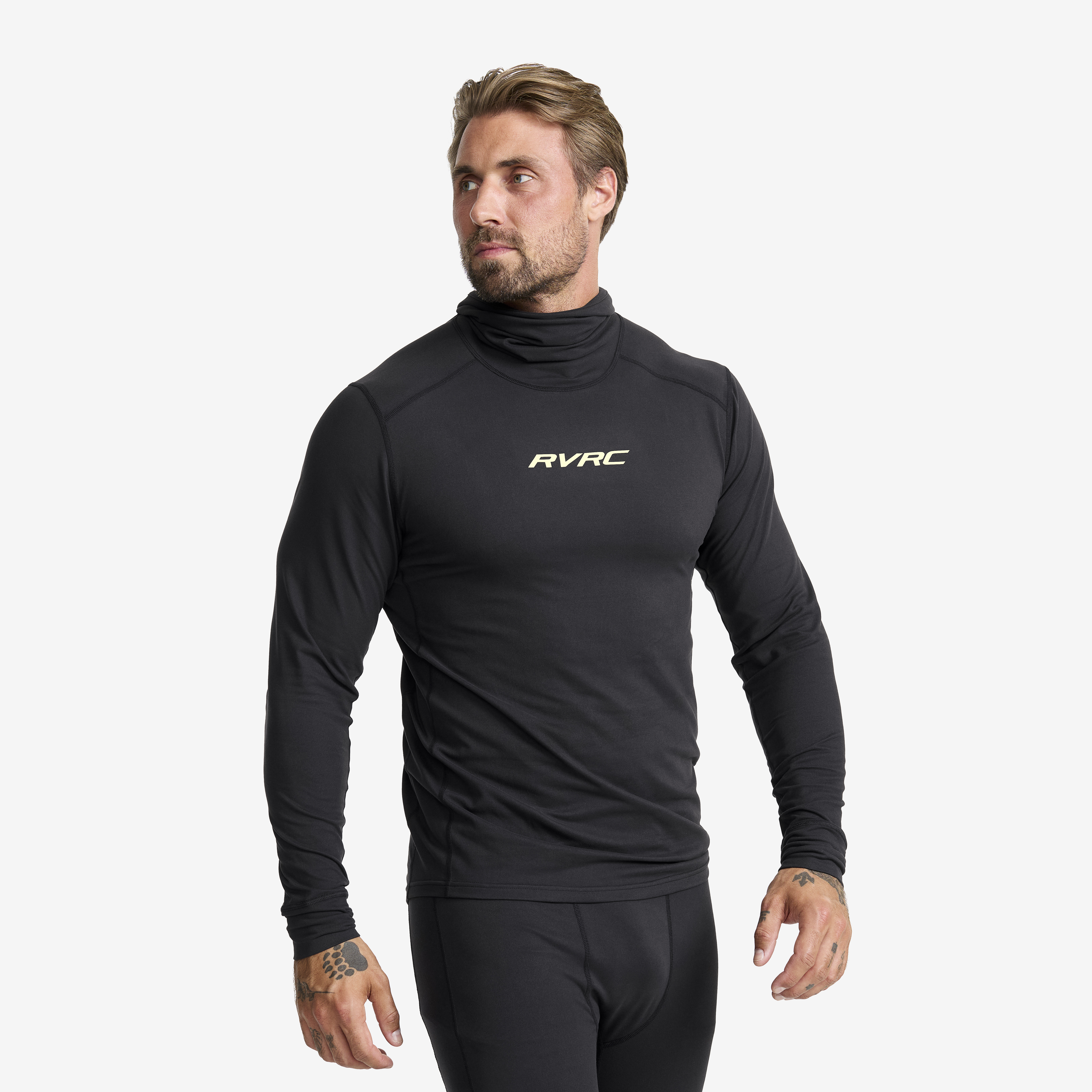
Hold the fabric up to a bright light. You should see very little light passing through, even in the thinnest merino or synthetic blends. Thin spots often indicate a weak point where the fabric will wear through quickly. Smart fabrics rely on consistent density to manage moisture and temperature; any thinning compromises the entire performance profile of the garment.
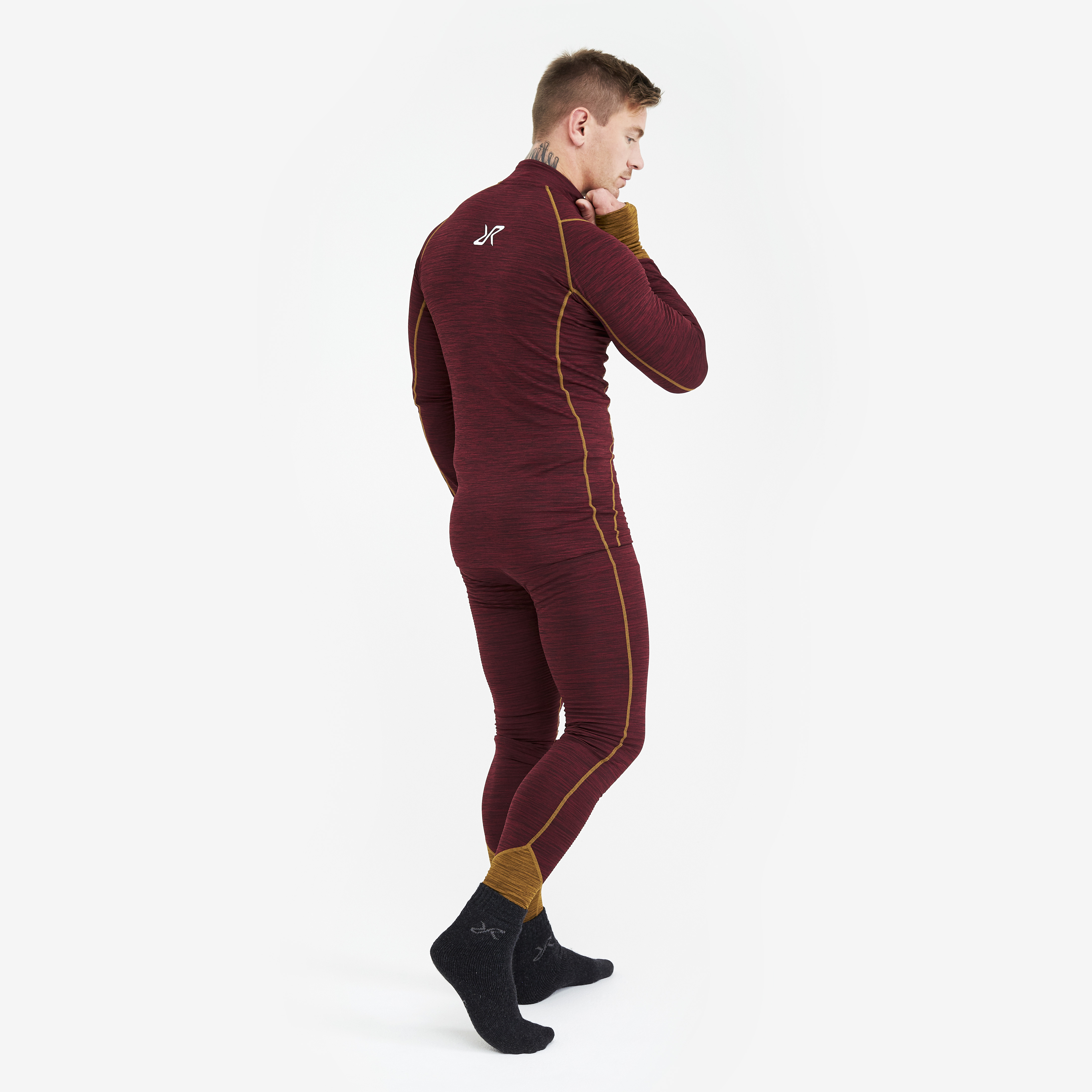
Check if the label warns against fabric softeners or high-heat drying. Many smart fabrics have micro-channels or hydrophobic coatings that get clogged by softeners. If the care instructions are vague or missing, treat it as a red flag. Proper maintenance is the only way to keep the technical features alive. A garment that requires special care is an investment that demands attention.
By focusing on these four areas, you avoid the most common and costly mistakes. You aren't just buying a shirt; you are buying a system that needs to hold together under stress. If the seams, waistband, density, and care instructions pass this check, the base layer is likely built to last.
Ownership costs and maintenance
Buying a base layer is a one-time cost, but keeping it in rotation is where the real expense hides. Cheap fabrics might look like a bargain at checkout, but they often degrade after a few washes, lose their shape, or develop odors that won't wash out. When a $30 shirt stops performing after two seasons, you're paying twice as much per use as you would for a $60 shirt that lasts three years.
The biggest ownership cost isn't the purchase price—it's laundry. Merino wool and high-tech synthetics require specific care to maintain their moisture-wicking and odor-resistant properties. Hot water, harsh detergents, and dryers break down fibers and strip natural oils. If you treat a smart fabric like a cotton t-shirt, you'll shorten its lifespan significantly.
To keep costs down over time, wash less frequently and air dry whenever possible. Spot clean minor stains instead of washing the whole garment. Use a mesh bag to prevent snagging. These small habits extend the life of your gear, turning a single purchase into years of reliable performance.


As an Amazon Associate, we may earn from qualifying purchases.
2026 base layer trends: what to check next
Smart fabrics have moved beyond simple moisture-wicking, but choosing the right base layer still requires matching material to your specific activity level and climate. The 2026 market favors specialized blends over one-size-fits-all solutions.
How do smart fabrics compare to traditional merino or synthetic base layers?
Modern smart fabrics often outperform traditional merino in durability and drying speed, while matching merino’s natural odor resistance. Unlike basic synthetics that trap heat, these advanced materials use micro-encapsulation or conductive threads to regulate temperature dynamically. For high-intensity activities like cycling, smart fabrics offer superior moisture absorption—often exceeding 200% of their weight—keeping you dry longer than standard polyester.
Are smart base layers worth the higher price tag?
They are worth the investment if you prioritize performance over pure comfort. While traditional merino feels softer against the skin, smart fabrics provide better thermal regulation during variable conditions, such as transitioning from a climb to a descent. If you only engage in low-intensity activities, standard synthetic or wool blends may suffice. However, for ski touring or alpine climbing, the added weight and cost of smart fabrics pay off in extended warmth and reduced bulk.
Can smart base layers be washed like regular laundry?
Most smart fabrics require gentle care to preserve their functional coatings. Avoid fabric softeners, which clog the microscopic pores responsible for moisture management. Instead, wash them in cold water on a delicate cycle and air dry. Some newer blends are machine-washable, but checking the care label is essential. Proper care ensures the thermal-regulating properties last for years rather than months.
What is the best base layer for cold weather hiking in 2026?
For cold-weather hiking, look for a midweight smart fabric with a brushed interior for insulation. Brands like Ibex and SmartWool have integrated smart fibers into their merino blends, offering the best of both worlds: natural comfort and engineered performance. Prioritize flatlock seams and raglan sleeves to prevent chafing under heavy packs. The goal is a layer that wicks sweat away from the skin without feeling clammy when you stop moving.
No comments yet. Be the first to share your thoughts!