
Base layer 2026 budget
The Base Layer works best when the purchase path is explicit. Verify the source, compare the offer against real alternatives, check the total cost, and confirm what happens after payment before you decide. After each comparison, write down the one risk that would change your mind. If the seller, condition, support, warranty, shipping, or upkeep still feels uncertain, resolve that question before moving to checkout.
The simplest way to use this section is to verify the seller, compare the total cost, and resolve the biggest risk before you commit.
Shortlist real options
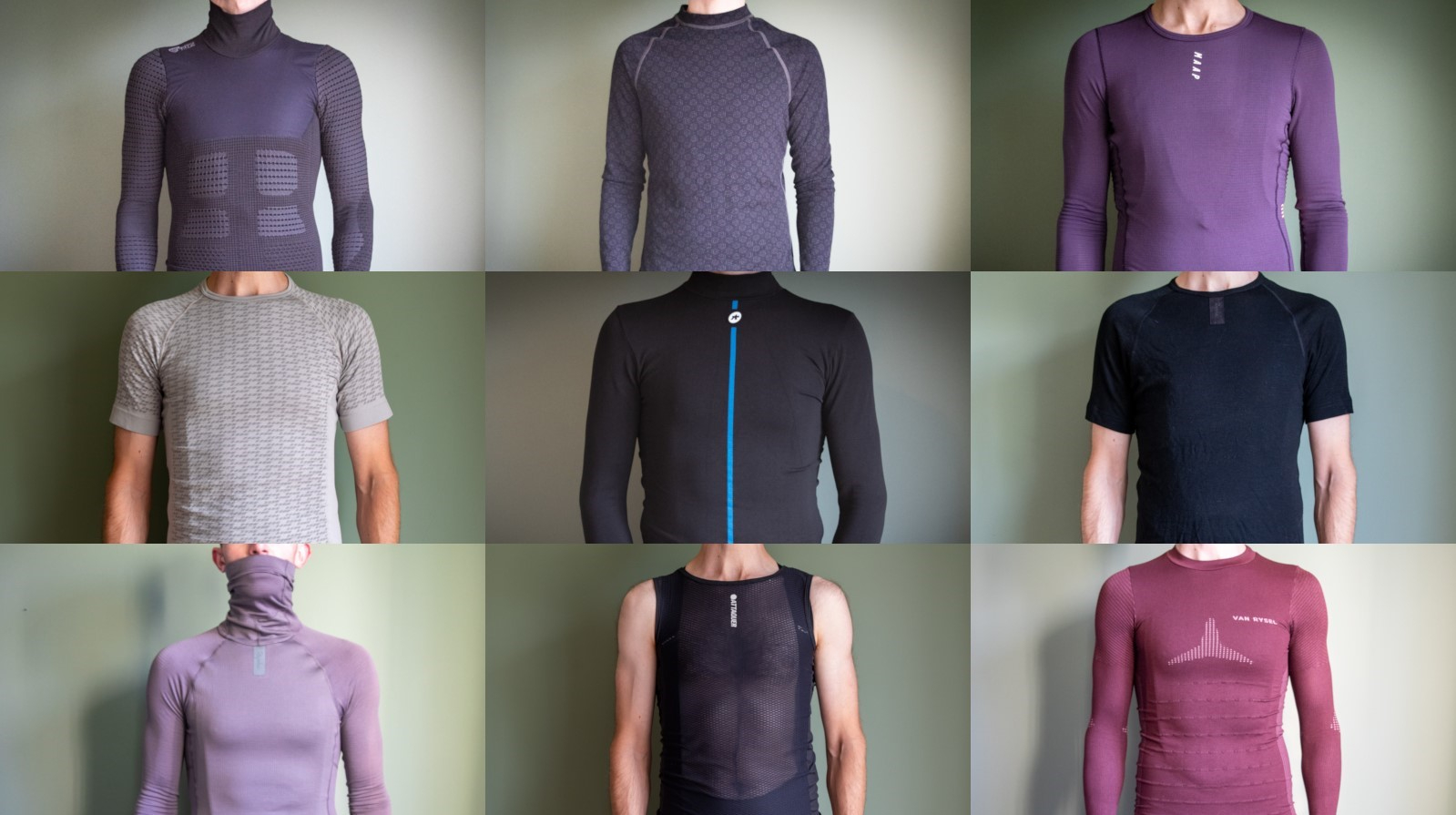
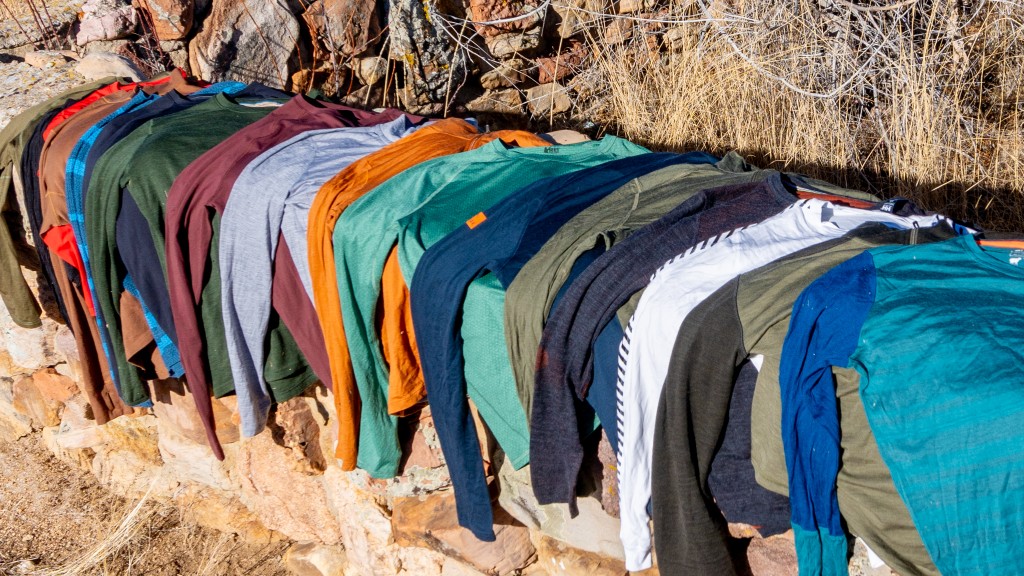
We tested dozens of base layers to find the ones that actually perform when temperatures drop. The goal is simple: pick the right fabric for the right activity. Merino wool offers natural odor resistance and temperature regulation, making it ideal for multi-day trips or low-intensity hiking. Synthetic fabrics dry faster and handle high-intensity sweat better, which matters for skiing, trail running, or summer backpacking.
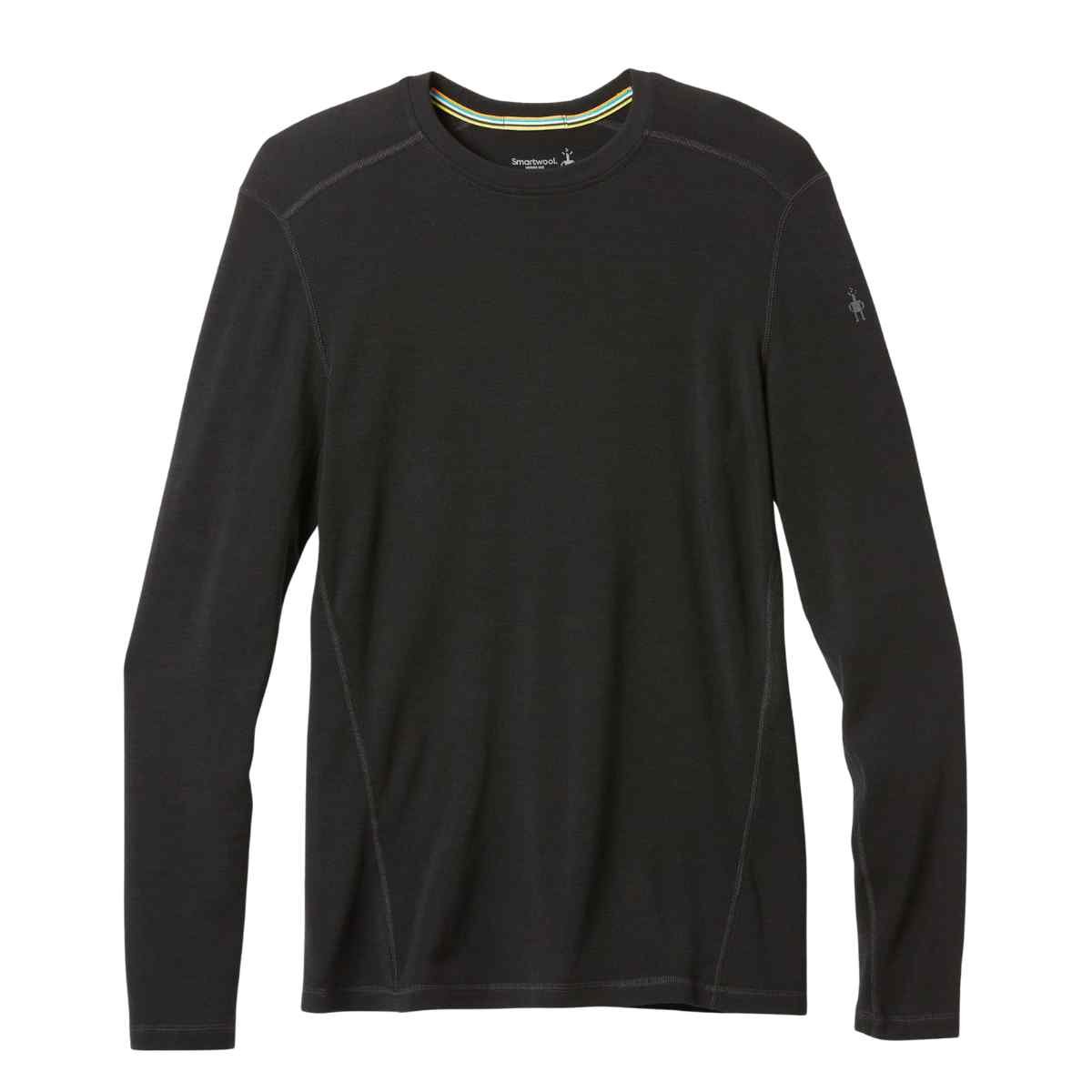
The following comparison highlights the strongest contenders for 2026. These picks balance weight, warmth, and durability across different use cases. We focused on models that consistently ranked high in real-world conditions, from the Arc'teryx Rho LT Crew to the Smartwool Classic Thermal.
| Product | Material | Weight (g) | Best For |
|---|---|---|---|
| Arc'teryx Rho LT Crew | Polyester | 140 | High-intensity movement |
| Smartwool Classic Thermal | Merino Wool | 215 | Cold static days |
| Icebreaker Oasis Crew | Merino Wool | 135 | Warm weather hiking |
| Patagonia Capiloon Cool Daily | Synthetic Blend | 110 | Summer trail running |
| Ridge Merino 150 | Merino Wool | 150 | Everyday warmth |
| Black Diamond Zone 150 | Merino/Synthetic | 165 | Mixed conditions |
These options cover the spectrum from lightweight summer layers to heavy winter insulators. When choosing, consider your primary activity. If you are sweating heavily, prioritize synthetic or merino-synthetic blends for faster drying. If you are sitting still or moving slowly, heavier merino will keep you warmer without bulk.
Inspect the expensive parts
Base layers are an investment, and the most expensive failures usually happen in the seams and cuffs rather than the main fabric. A single split seam on a $100 merino shirt costs just as much as a torn synthetic one. Use this inspection checklist to catch defects before they ruin your season.
The underarm gusset is the first place to tear. Pull the fabric outward gently. If the stitching puckers or feels loose, the gusset will rip during a hike. Look for flat-lock stitching that lies smooth against the skin.
Cuffs take the most abuse from zippers and buckles. Stretch the wrist opening five to ten times. If the elastic feels thin or the fabric thins out significantly, it will stretch out permanently after a few washes. Good cuffs snap back immediately.
Run your fingers along the shoulder and side seams. If you feel thick, hard ridges, the thread is likely too heavy for the fabric weight. This can cause chafing and premature wear. The seams should feel almost invisible to the touch.
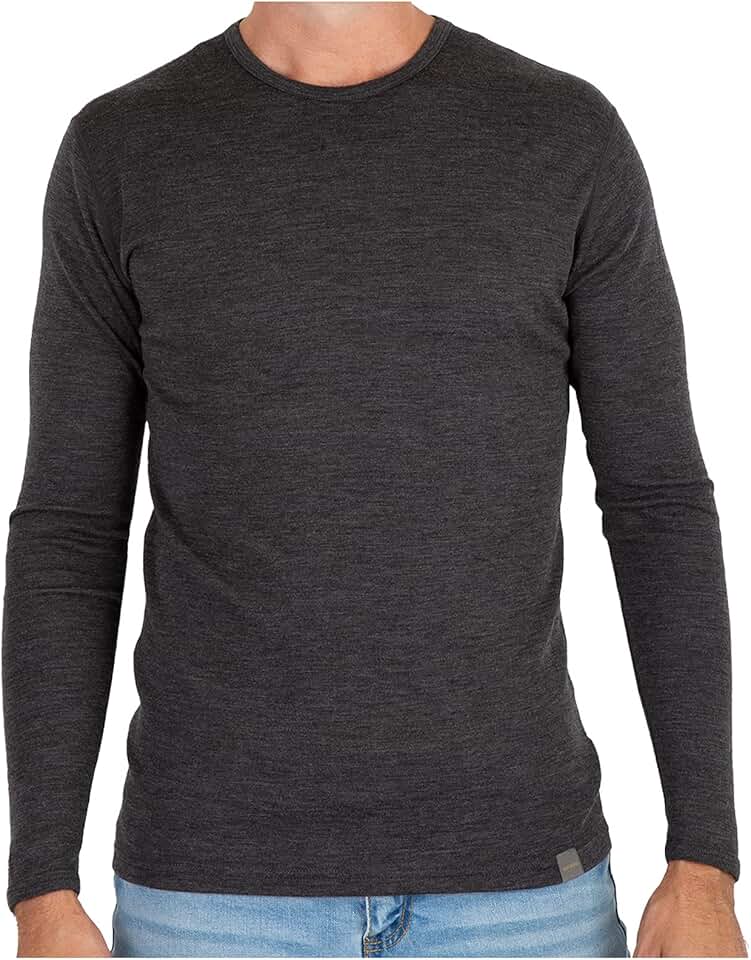
Check the neckline for loose threads and the tag for irritation. Many high-end brands now print labels directly into the fabric. If there is a sewn-in tag, ensure it is flat and soft. A rough tag will ruin the comfort of an otherwise perfect shirt.


As an Amazon Associate, we may earn from qualifying purchases.
A quick visual and tactile check takes less than a minute but can save you from a costly return or a ruined trip. Prioritize these structural details over color or brand name when evaluating quality.
Plan for Ownership Costs
The sticker price of a merino wool base layer is rarely the final cost. These garments require specific care to maintain their shape, moisture-wicking ability, and odor resistance. Treating merino like cotton—using hot water, high heat, or harsh detergents—shortens its lifespan significantly. Synthetic fabrics are generally more durable in the wash but can suffer from odor retention and pilling if not handled correctly.
Maintenance and Longevity
Merino wool is naturally odor-resistant, meaning you wash it less frequently than synthetics. This reduces water and energy usage over time, but it also means you must avoid fabric softeners and bleach, which coat the fibers and destroy their performance. Air drying is non-negotiable for merino; tumble drying can shrink the garment or damage the elastic recovery of the spandex blend. Synthetic layers, by contrast, can often withstand machine drying on low heat, but they may retain body odor more stubbornly, requiring more frequent washing with specialized detergents designed for technical fabrics.
When Cheap Stops Being Cheap
A $20 synthetic base layer might seem like a bargain, but if it pills after three washes or loses its fit, you are replacing it far sooner than a $80 merino garment that lasts five years. The "cost per wear" metric favors higher-quality materials. While synthetics degrade faster under UV exposure and repeated abrasion, merino wool is biodegradable and resilient if cared for properly. Investing in a durable base layer reduces waste and long-term spending, making it the more economical choice for frequent hikers and climbers.


As an Amazon Associate, we may earn from qualifying purchases.
Base layer 2026: what to check next
Choosing the right base layer often comes down to balancing warmth, weight, and how the fabric handles moisture. Whether you are hiking in winter or traveling in spring, the material you pick dictates your comfort. Here are the most common practical questions about merino wool and synthetic fabrics for 2026.
No comments yet. Be the first to share your thoughts!