
Sustainable living 2026 budget
The cost of going green often feels like a barrier, but the math shifts when you look at total cost of ownership rather than the sticker price. In 2026, the most effective swaps are those that cut recurring utility bills or replace frequent disposable purchases. The goal is to find items that pay for themselves within a reasonable timeframe, turning environmental impact into household savings.
Consider the lifecycle of everyday items. A high-quality stainless steel water bottle costs more upfront than a pack of plastic bottles, but it eliminates a weekly recurring expense and reduces waste. Similarly, switching to LED bulbs or smart power strips targets "phantom energy"—power drawn by devices even when they are off. These small, concrete adjustments compound quickly, reducing your monthly overhead without requiring a complete lifestyle overhaul.
When selecting products, prioritize durability and multi-functionality. Cheap, single-use items often break or wear out, leading to replacement costs that exceed the savings of the initial purchase. By choosing robust alternatives, you build a home ecosystem that is both ecologically sound and economically resilient. This approach aligns with the practical, budget-conscious mindset that defines sustainable living in 2026.
Shortlist real options
The to Sustainable Living works best as a clear sequence: define the constraint, compare the realistic options, test the tradeoff, and choose the path with the fewest hidden costs. That order keeps the advice usable instead of decorative. After each step, pause long enough to check whether the recommendation still fits the reader's actual situation. If it depends on perfect timing, unusual access, or a best-case budget, include a simpler fallback.
| Factor | What to check | Why it matters |
|---|---|---|
| Fit | Match the option to the primary use case. | A good deal still fails if it does not fit the job. |
| Condition | Verify age, wear, and service history. | Hidden condition issues erase upfront savings. |
| Cost | Compare purchase price with likely upkeep. | The cheapest option is not always the lowest-cost option. |
Inspect the expensive parts
Most eco-friendly swaps fail because they ignore the high-cost failure points in a home. A cheap water filter that leaks or a non-durable appliance that breaks in two years costs more than the original waste. Sustainable living is about durability and efficiency, not just buying new "green" products.
Use this checklist to inspect the parts of your home that drain money and resources the fastest. Focus on these expensive failure points before buying replacements.
The water heater is often the second largest energy user in a home. Inspect the temperature setting; lowering it to 120°F (49°C) reduces energy waste and mineral buildup. Check the anode rod every 3-5 years to prevent tank corrosion, which leads to costly leaks and full replacement.

Leaky windows force HVAC systems to work overtime. Run a candle or incense stick near window frames on a windy day; if the smoke wavers, you have a draft. Seal gaps with weatherstripping or caulk. This simple fix often pays for itself in one heating season by stabilizing indoor temperatures.
Electronics draw power even when off. Use a plug-in energy monitor to identify "vampire" devices like gaming consoles, old TVs, or coffee makers. Unplug them or use smart power strips to cut power completely. This stops wasted electricity and reduces the load on your grid connection.


As an Amazon Associate, we may earn from qualifying purchases.
Inspection is the first step toward real savings. By fixing these expensive leaks, you ensure that every sustainable swap you make actually lasts and pays off.
Plan for ownership costs
The sticker price is only the first bill. When you choose eco-friendly swaps, you are often trading a low upfront cost for higher long-term value, but that shift requires looking past the checkout screen. A cheap item that breaks in six months or consumes excessive energy will cost you more over time than a pricier, durable alternative. This is the core logic behind sustainable living: you pay once for quality, and you pay repeatedly for replacement or waste.
Maintenance surprises are where many new sustainable habits stall. Consider a reusable water bottle versus disposable plastic. The bottle requires washing, which means water and detergent use, but the environmental and financial impact is negligible compared to buying thousands of plastic bottles. Similarly, energy-efficient appliances have higher purchase prices but lower utility bills. The key is to calculate the total cost of ownership, not just the initial outlay. If a product saves you money or reduces waste significantly over its lifespan, it is a smart investment.
To help you visualize these tradeoffs, here are some popular eco-friendly swaps that balance upfront cost with long-term savings:

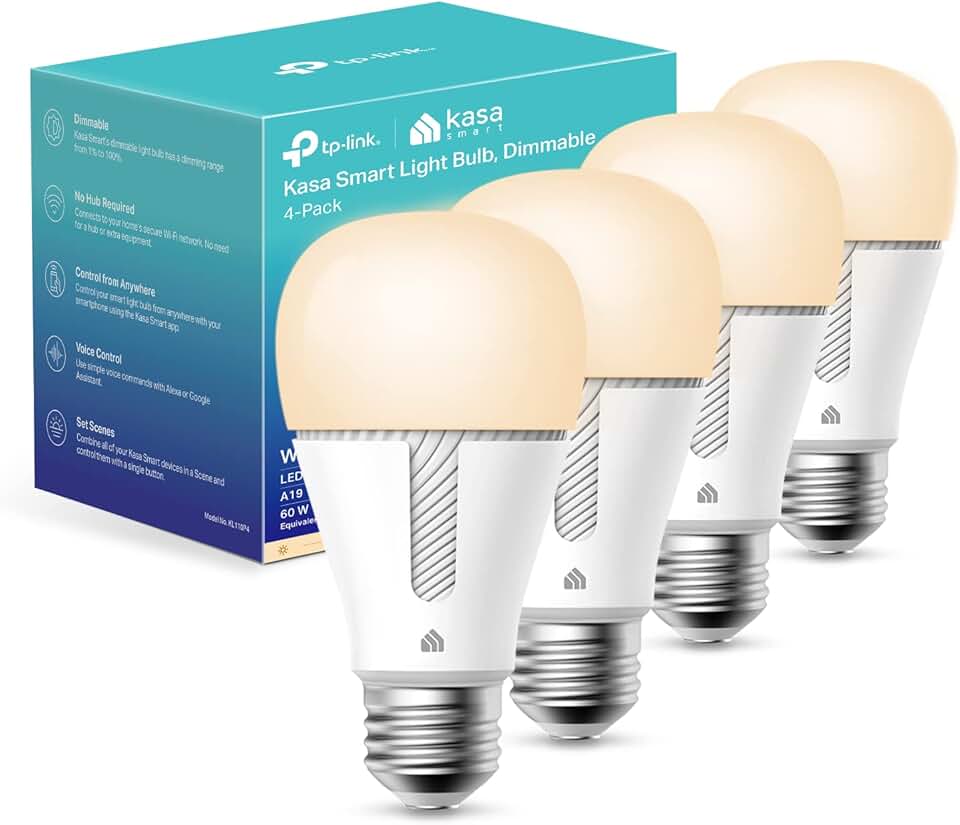

As an Amazon Associate, we may earn from qualifying purchases.
When evaluating these items, look for materials that last. Stainless steel, glass, and solid wood often outperform plastic and composite materials. They may feel heavier or more expensive initially, but they resist wear and tear better. This durability reduces the frequency of replacement, which is the hidden cost of cheap, disposable goods. By planning for these ownership costs, you ensure that your sustainable choices remain practical and financially sound in the long run.
Sustainable living 2026: what to check next
Before swapping out household staples, it helps to separate marketing hype from actual savings. The following answers address the most common practical objections readers face when trying to live more sustainably in 2026.
Start with the swaps that offer the fastest return on investment. Prioritize items you use daily to maximize both environmental impact and financial savings.
No comments yet. Be the first to share your thoughts!