
Why AI matters for home security in 2026
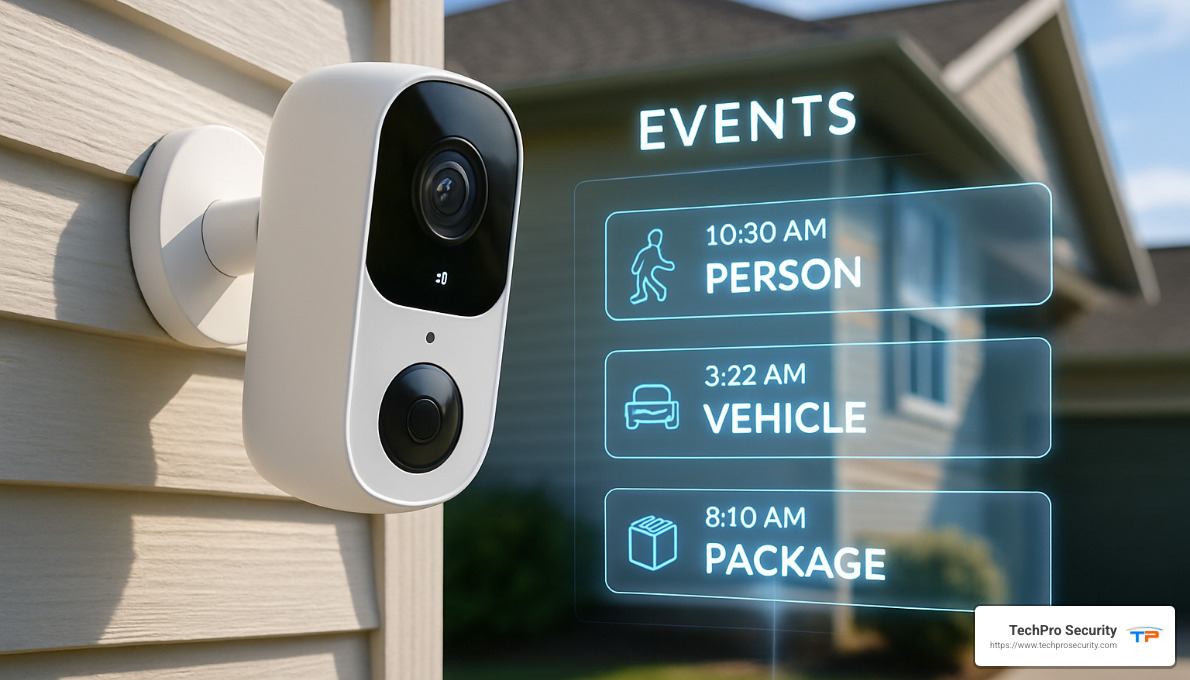
The shift from motion-triggered alerts to AI-driven object recognition has fundamentally changed how homeowners experience security. In 2025, a swinging tree branch or a passing shadow could trigger dozens of notifications. By 2026, AI home security systems use on-device neural processors to classify what they see in real time. This means your phone only buzzes when it matters—when a person lingers, a package is delivered, or a pet knocks over a chair.
The benefit isn't just convenience; it's accuracy. Modern AI models reduce false alarms by up to 90% compared to basic motion detection. This precision allows for "verified response" monitoring, where human operators only review footage when AI confirms a specific threat. This level of reliability makes professional monitoring more affordable and responsive, turning security systems from nuisance alarms into trusted guardians.
Privacy remains the cornerstone of this evolution. Unlike older cloud-dependent models that streamed every frame to a server, 2026 systems prioritize local processing. Sensitive data stays on the device, encrypted and under your control. You retain full ownership of your video history, with optional cloud storage reserved only for backup or sharing with authorities. This privacy-first approach ensures that smarter detection doesn't come at the cost of your personal data.
As these systems become standard, the focus is shifting from raw video quality to intelligent filtering. The best AI home security systems now act as gatekeepers, sifting through hours of footage to highlight only the events you need to see. This reduces digital fatigue and ensures that when an alert does arrive, you can trust it.
10 Best AI Home Security Systems of 2026: Smart Detection & Privacy
The 10 Best AI Home Security Systems of 2026 prioritize local processing to ensure your footage stays private, not in the cloud. These concrete solutions leverage advanced smart detection for accurate threat identification while giving you full data control.
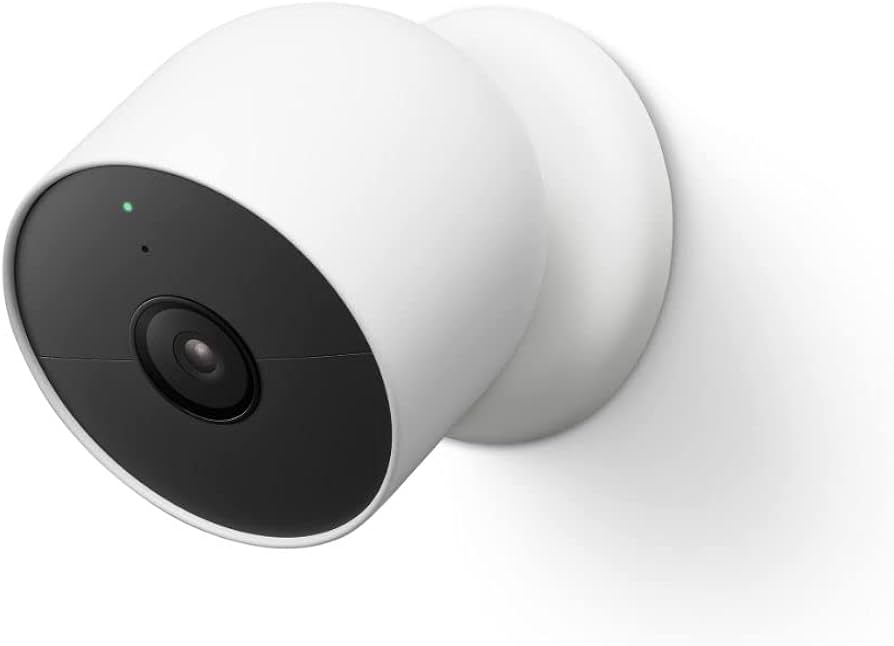
1. Google Nest Cam (Battery): Best for descriptive alerts
This camera excels at translating visual chaos into plain English notifications. Instead of vague "motion detected" pings, you receive specific details like "person walking" or "package delivered." The on-device AI processes footage locally for basic classification, reducing cloud dependency while delivering precise, actionable context for homeowners who value clarity over clutter.
2. Arlo Pro 6: Best for custom AI detection zones
Arlo’s latest offering allows granular control over what the system monitors. You can draw custom shapes to ignore busy streets or focus strictly on doorsteps. The AI distinguishes between people, vehicles, and animals within these zones, ensuring you only get notified about relevant activity. This precision minimizes false alarms while maximizing security coverage.

3. Ring Outdoor Cam Plus: Best for verified response
This system integrates directly with Ring Alarm monitoring services for professional verification. When triggered, the camera records a short clip and transmits it to a monitoring center. If a human operator confirms a threat, police or emergency services can be dispatched. It bridges the gap between smart detection and actual emergency intervention.

4. Eufy SoloCam S340: Best for local storage privacy
Privacy-conscious users will appreciate the SoloCam’s fully local processing architecture. Footage never leaves your home unless you explicitly choose to share it. The dual-lens system provides wide-angle views and zoom capabilities, all stored on a local hub. This eliminates cloud subscription fees and keeps sensitive data off third-party servers entirely.

5. Wyze Cam v4: Best budget AI detection
Wyze proves that affordability doesn’t require sacrificing smart features. The v4 model includes color night vision and AI-powered person detection at a fraction of the cost of premium brands. It captures crisp 2.5K video and uses edge computing to identify individuals, making high-tier security accessible for renters and budget-focused homeowners alike.

6. Blink Outdoor 4: Best for long battery life
Blink’s latest iteration brings AI-powered person detection to its famously long-lasting battery platform. By using motion zones and requiring a person to be present to trigger an alert, it significantly extends battery life compared to older models that triggered on every bug or leaf. It’s an ideal choice for large properties where frequent battery changes are impractical.

7. Reolink Argus 3 Pro: Best for solar-powered reliability
Reolink combines a high-resolution color night vision sensor with a solar panel option for truly wire-free operation. The AI detection is robust enough to distinguish between people and moving shadows, even in low-light conditions. Its local storage support via SD card or NVR ensures that your footage remains private without requiring a monthly subscription for basic features.

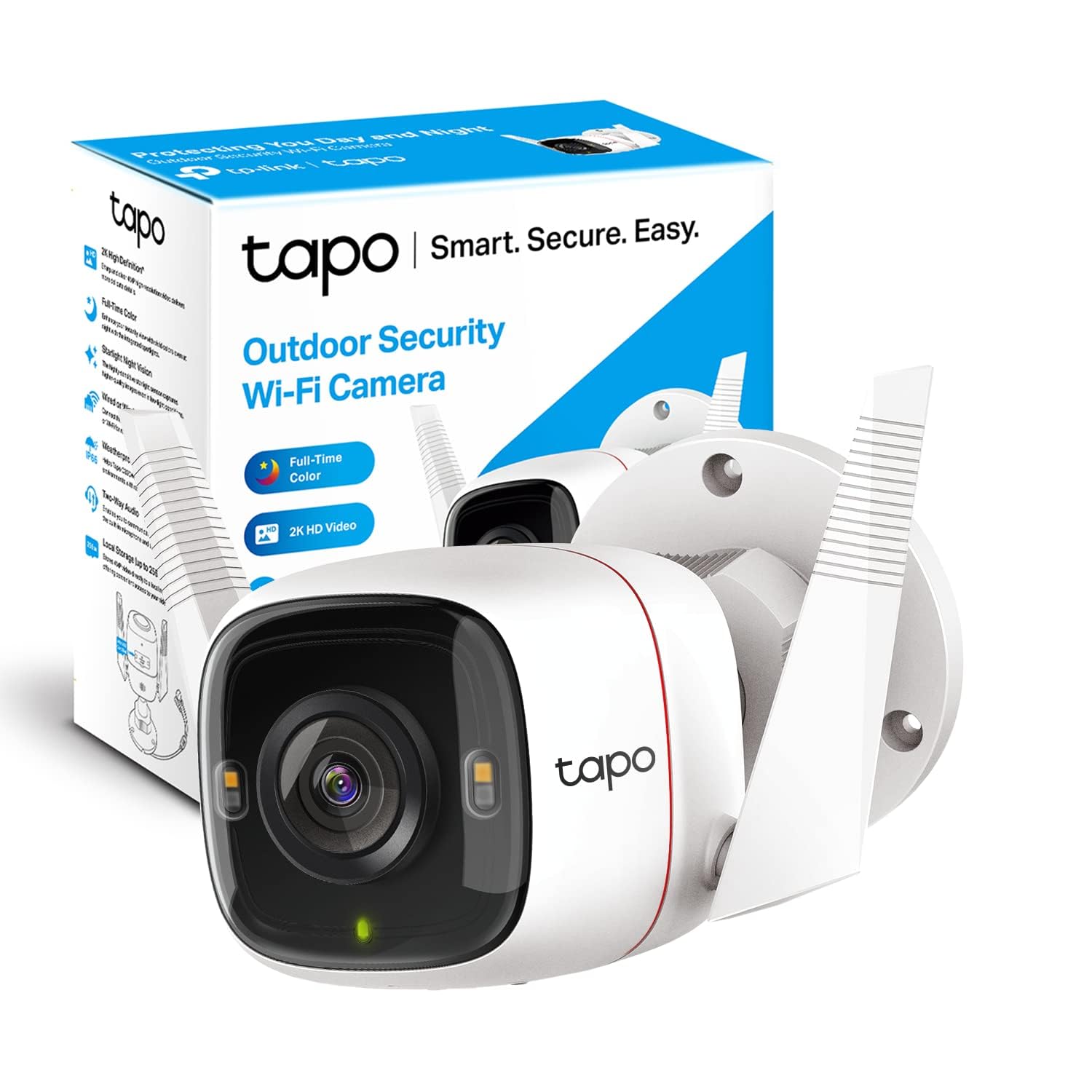
8. Tapo C320WS: Best for smart home integration
Tapo’s C320WS offers a compelling mix of affordability and smart home compatibility. It supports Matter and works seamlessly with Alexa and Google Home. The AI detection is accurate for person and package recognition, and the camera supports local storage via SD card, allowing you to avoid cloud fees while still enjoying smart automation triggers.
9. Lorex 4K Ultra HD: Best for high-resolution detail
For those who need to zoom in on license plates or faces, Lorex offers 4K resolution with AI-powered person detection. The high pixel count ensures that even when you zoom in on a clip, the details remain clear. The system supports local NVR storage, keeping all 4K footage securely on your premises without the bandwidth requirements of constant cloud uploading.

10. Amcrest UltraHD: Best for DIY enthusiasts
Amcrest provides a flexible, DIY-friendly option with strong AI capabilities. Their cameras support ONVIF, making them compatible with a wide range of third-party NVRs and software. The AI detection is customizable, allowing users to fine-tune sensitivity for people, vehicles, and packages. Local storage options ensure that you maintain full control over your security data.

How to choose the right AI system
Selecting an AI home security system requires balancing three practical factors: monthly costs, data storage methods, and smart home compatibility. The best system for your home depends on how much control you want over your data versus how much convenience you are willing to pay for.
Subscription costs and AI features
Most advanced AI detection features, such as package recognition or specific person detection, are locked behind monthly subscriptions. While these services reduce false alarms, they create recurring costs that add up over time. Some systems offer basic AI on a one-time purchase, but the deeper learning capabilities usually require a plan.
Local vs. cloud storage
Privacy-conscious users should prioritize systems with local storage options. Cloud storage offers convenience and off-site backup, but it keeps your video footage on third-party servers. Local storage on an SD card or NVR (Network Video Recorder) keeps your data in your home, giving you full control over who sees your footage.
Integration capabilities
Compatibility with your existing smart home ecosystem is critical. A system that does not integrate with your current hub, voice assistant, or lighting controls will feel isolated and less useful. Check if the system supports Matter, HomeKit, or major hubs like SmartThings to ensure it fits into your current setup.
| System | Storage Type | AI Features | Subscription |
|---|---|---|---|
| Google Nest | Cloud | Person, Package, Animal | Required for AI |
| Arlo Pro 6 | Cloud/Local | Person, Vehicle, Package | Optional for basic |
| Eufy Solo | Local | Person, Package | None |
| Ring Stick Up | Cloud | Person, Package | Required for AI |


As an Amazon Associate, we may earn from qualifying purchases.
Frequently Asked Questions About AI Home Security
Do AI home security systems require a monthly subscription? Not all of them. While cloud-based AI detection often requires a subscription to store video history and access advanced features, many systems like the Arlo Pro 6 or Ring Alarm offer local storage options. You can process video on a home hub or SD card, keeping your data private and avoiding recurring fees. Check the specific model's specs to see if local processing is supported.
How does AI reduce false alarms? Traditional motion sensors trigger on anything moving, including pets or shadows. AI-powered systems like Google Nest Gemini use computer vision to distinguish between people, animals, and vehicles. This reduces nuisance alerts significantly, ensuring you only get notified when it matters. The result is a system that feels less intrusive and more reliable.
Is my video data stored in the cloud? It depends on your setup. Many 2026 systems prioritize local processing, keeping footage on your device or local hub. This ensures that your private moments don't leave your home unless you choose to share them. Look for systems that offer "local-only" modes if privacy is your primary concern.
Can AI detect package theft? Yes. Modern AI security cameras can identify specific objects like packages left on your porch. Some systems even integrate with smart locks or send instant alerts when a delivery is made. This feature is particularly useful for preventing porch piracy, a common issue in 2026.
Do AI systems work in low light? Most AI home security systems in 2026 include color night vision or infrared capabilities. AI algorithms can enhance these low-light images, making it easier to identify faces or license plates even in dark conditions. This ensures 24/7 protection without gaps in coverage.
No comments yet. Be the first to share your thoughts!