
Start your zero-waste journey
Zero-waste living 2026 is not about achieving a perfectly curated aesthetic or buying expensive, minimalist products. It is a practical, budget-conscious approach to consumption that prioritizes reducing landfill impact while keeping more money in your pocket. Think of it as a filter for your spending: every item you refuse, reuse, or repair is money you do not waste.
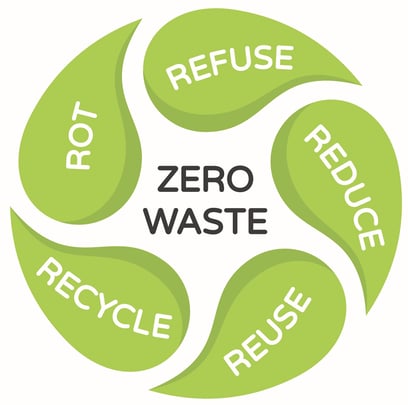
The core philosophy rests on the 5Rs: refuse what you do not need, reduce what you do, reuse what you can, recycle responsibly, and rot (compost) the rest. By shifting your focus from buying new to maintaining what you already own, you naturally cut down on impulse purchases and packaging waste. This is not about moralizing your habits; it is about making smarter consumer choices that benefit your wallet and the environment.
To make this transition manageable, start by identifying the single biggest source of waste in your daily routine. For many, this might be single-use coffee cups, plastic food wrap, or disposable cleaning supplies. Tackling one high-impact area first builds momentum without overwhelming your budget. The goal is progress, not perfection.
10 Zero-Waste Swaps That Save Money in 2026
In 2026, ditching single-use plastics isn't just an environmental gesture—it's a direct boost to your bottom line. These ten practical swaps replace recurring subscription costs with one-time purchases, turning everyday waste into long-term savings.
-

Switch to a safety razor
Trading disposable cartridges for a single stainless steel safety razor eliminates recurring plastic waste and subscription fees. While the upfront cost is higher, replacement blades cost pennies compared to premium cartridge packs. This durable tool lasts decades, turning a monthly expense into a one-time investment that significantly reduces your long-term grooming budget. -

Use reusable produce bags
Many grocery stores charge extra for single-use plastic bags, even for loose produce. By keeping mesh or cotton bags in your car or purse, you avoid these hidden fees entirely. These lightweight bags are washable and durable, ensuring you never pay for trash again while keeping your fruits and vegetables fresh without the environmental guilt. -

Make your own cleaning supplies
Commercial cleaners are often just water and vinegar with added fragrances and preservatives. Buying bulk vinegar, baking soda, and castile soap costs a fraction of branded bottles. You can mix effective solutions in reusable spray bottles, cutting your cleaning budget by over half while avoiding harsh chemicals that irritate sensitive skin and pollute local waterways. -

Choose bar soap over liquid
Liquid body wash is mostly water, meaning you pay heavily for packaging and shipping weight. Bar soaps are concentrated, lasting significantly longer per dollar spent. A single quality bar can replace two to three bottles of liquid soap, drastically reducing your monthly personal care expenses while eliminating the plastic bottles that clutter bathroom shelves. -
Ditch bottled water for a filter
Investing in a quality countertop or faucet-mounted water filter pays for itself within months. Bottled water costs hundreds of dollars annually per person, whereas filter replacements are inexpensive. This swap ensures safe, great-tasting tap water without the markup, eliminating the constant need to purchase heavy plastic bottles that contribute to landfill waste and transportation emissions. -

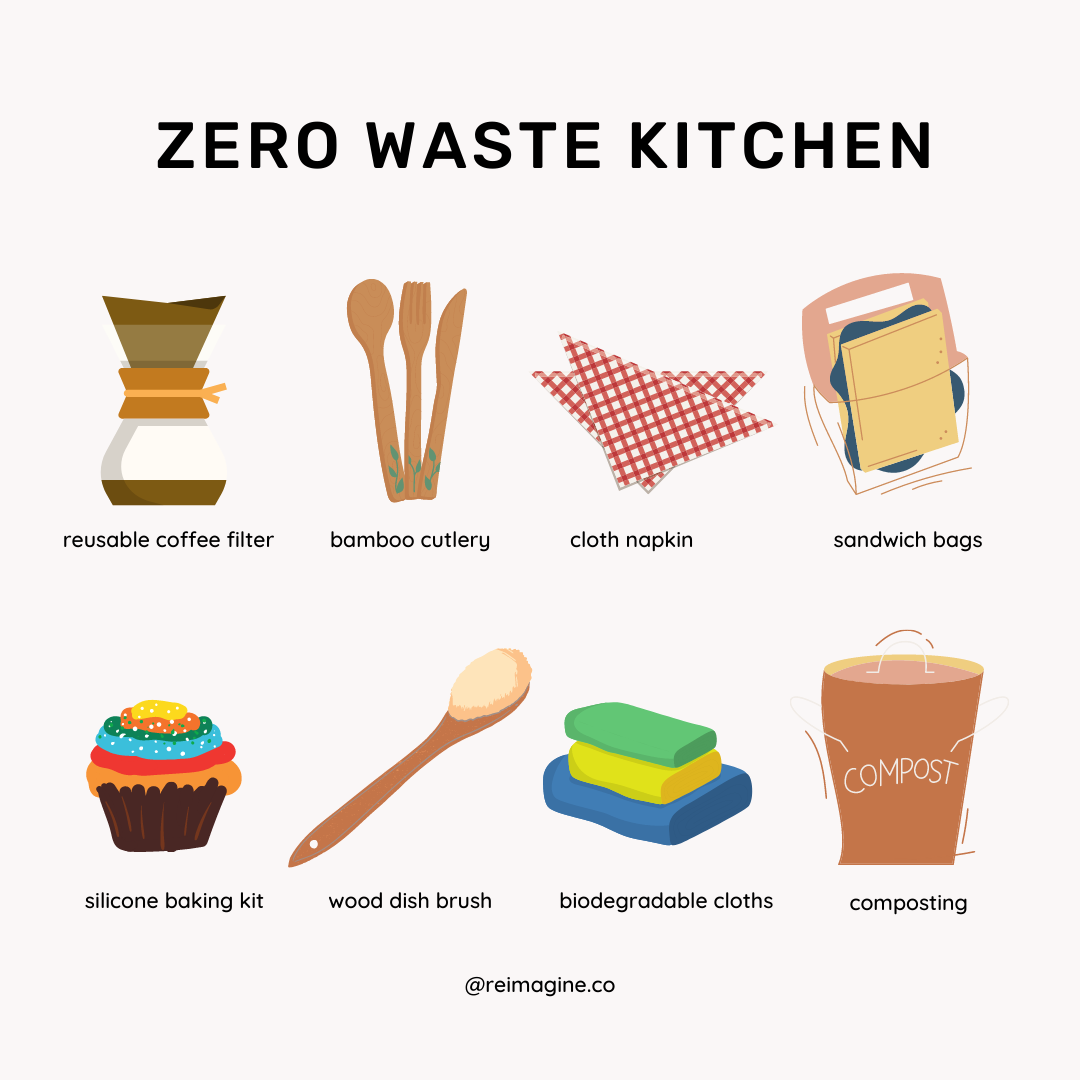
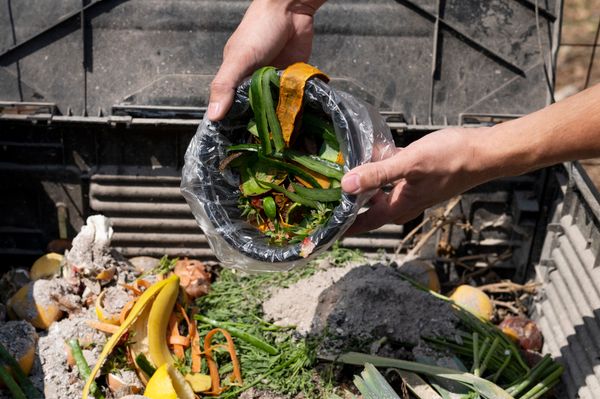
Compost food scraps at home
Turning kitchen waste into nutrient-rich soil reduces landfill fees and eliminates garbage bag purchases. Start with a countertop bin for scraps, then transfer to an outdoor pile or community drop-off. This simple shift cuts trash volume by up to 30%, saving on municipal waste collection costs while providing free fertilizer for houseplants or garden beds. -
Repair clothes instead of replacing
Fast fashion drains budgets rapidly, but learning basic mending skills extends garment life significantly. Sewing a loose button or patching a knee costs pennies compared to buying new items. This practice preserves your wardrobe’s value and reduces the recurring expense of replacing worn-out clothing, turning a monthly shopping habit into a sustainable, cost-saving routine that keeps your favorite pieces in rotation longer. -
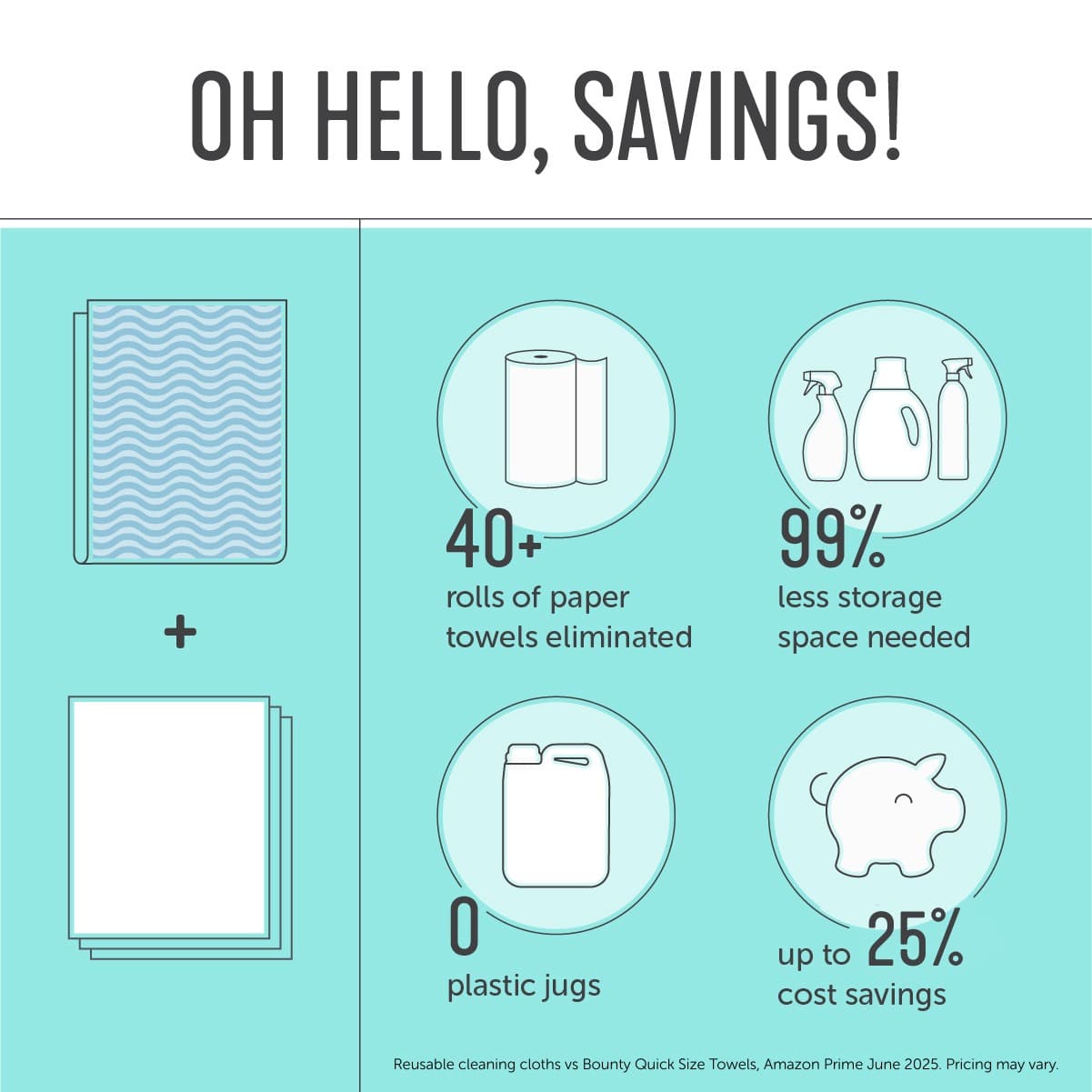
Swap paper towels for cloth rags
Paper towels create a recurring subscription-like expense that vanishes after one use. Cut up old t-shirts or buy inexpensive cotton flannel scraps to create durable cleaning cloths. These washable rags handle spills, dusting, and polishing without the constant repurchase cost. You will save hundreds annually by eliminating paper towel rolls, turning laundry day into a practical maintenance step for your home. -
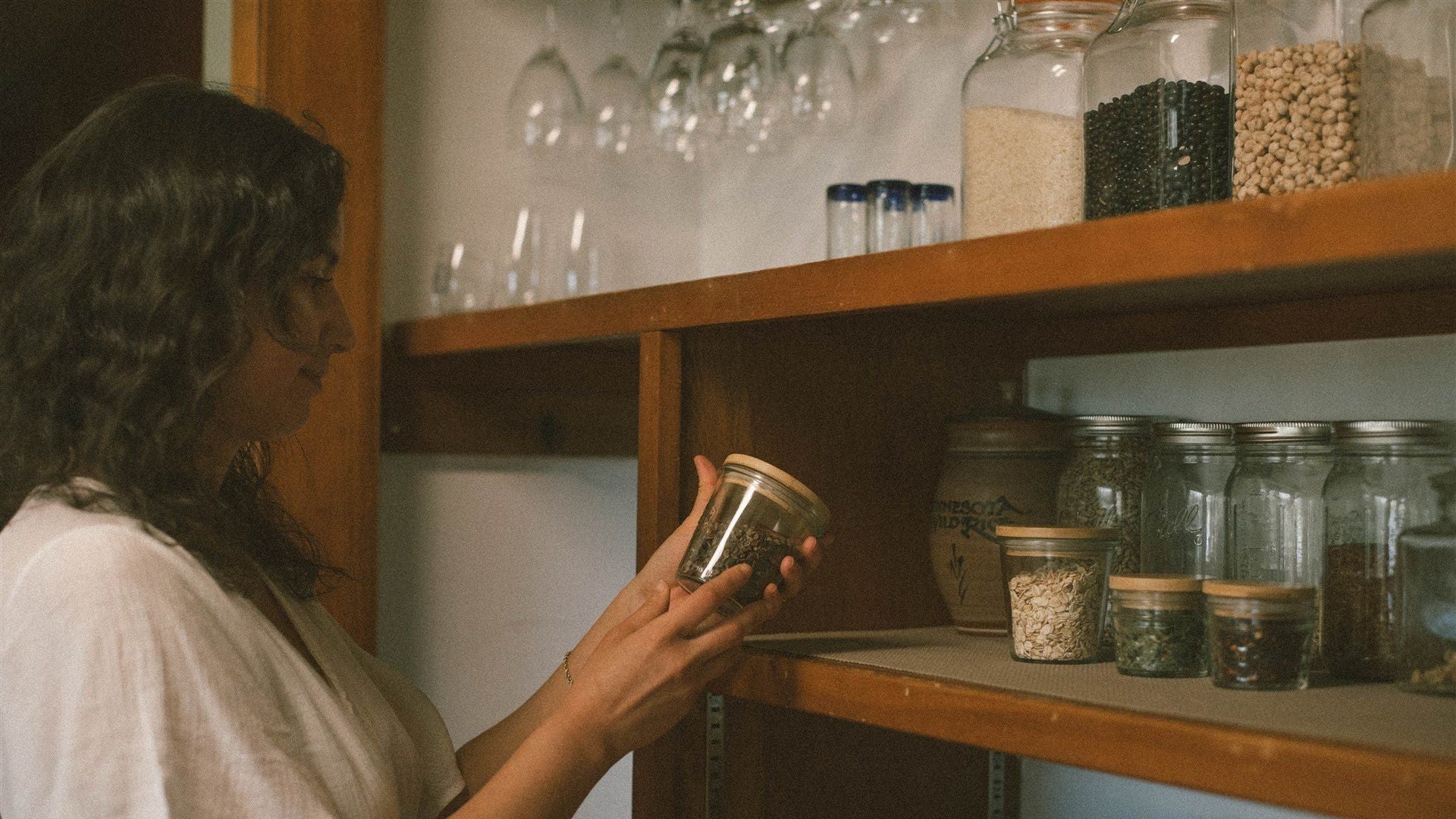
Buy in bulk with jars
Purchasing staples like rice, beans, and nuts in bulk sections using your own glass jars drastically lowers the price per ounce. Pre-measure and tare your containers at the store to ensure accurate weighing. This method bypasses expensive packaging premiums and brand markups, allowing you to stock your pantry with affordable essentials while reducing household waste and storage clutter simultaneously. -

Use beeswax wraps instead of plastic wrap
Plastic wrap is a single-use expense that adds up quickly in the kitchen. Beeswax wraps offer a reusable, washable alternative that keeps food fresh for days. While the upfront cost is higher, a single set lasts months, eliminating the need to buy rolls of cling film repeatedly. This swap protects your wallet from constant small purchases while reducing plastic waste in your bin.
Plan meals to reduce waste
Food spoilage is one of the largest leaks in a household budget. In 2026, treating meal planning as a financial strategy rather than just a chore helps you keep more money in your pocket while reducing landfill waste. By aligning your purchases with your actual consumption, you eliminate the guesswork that leads to thrown-away groceries.
Start by checking what you already have. Identify items nearing their expiration date and prioritize them for your first few meals. This prevents duplicate purchases and ensures you use ingredients before they spoil.
Draft a simple plan for seven days. Focus on versatile ingredients that can be used across multiple dishes, such as a head of cabbage or a bag of carrots. This flexibility reduces the need to buy niche items that might go unused.

Take your meal plan to the store and stick to the list. Impulse buys are the primary cause of food waste and budget overruns. If it’s not on the list, it doesn’t go in the cart.
Proper storage extends shelf life significantly. Learn which produce belongs in the fridge versus the counter, and use airtight containers for leftovers. This simple step can turn a three-day vegetable into a week-long resource.
Plan for at least two "leftover nights" per week. Repurposing yesterday’s dinner into today’s lunch saves both time and money, ensuring no edible food ends up in the trash.
Common zero-waste: what to check next
You might have questions about the core principles and key figures in the zero-waste movement. Here are answers to the most common queries to help you start saving money and reducing waste today.
No comments yet. Be the first to share your thoughts!