
Verify your home’s electrical baseline before installing smart devices
AI-driven energy optimization relies on accurate data; if your circuit panel is outdated or your wiring is degraded, smart algorithms cannot optimize what they cannot measure safely. Start by checking your main breaker capacity and ensuring your Wi-Fi signal reaches every major appliance. A weak signal causes latency, which breaks the real-time feedback loop required for load balancing.
Audit your existing smart home ecosystem
AI systems work best when they control multiple devices simultaneously. If you have a smart thermostat but no smart plugs, the system lacks the granular control needed to shift loads effectively. Look for devices that support Matter or Z-Wave protocols to ensure compatibility. Avoid proprietary hubs that lock you into a single brand, as this limits the system’s ability to make cross-device decisions.
Understand the tradeoff between automation and visibility
While automated systems can adjust settings to cut costs, you must retain manual override capabilities. Without this, you risk discomfort or safety issues if the algorithm misinterprets your preferences. Set clear boundaries in your app settings: define which devices can be controlled autonomously and which require your approval. This setup ensures the system remains a tool for efficiency, not a source of frustration.
Work through the steps
The process works best as a clear sequence: define the constraint, compare the realistic options, test the tradeoff, and choose the path with the fewest hidden costs. That order keeps the advice usable instead of decorative. After each step, pause long enough to check whether the recommendation still fits the reader's actual situation. If it depends on perfect timing, unusual access, or a best-case budget, include a simpler fallback.
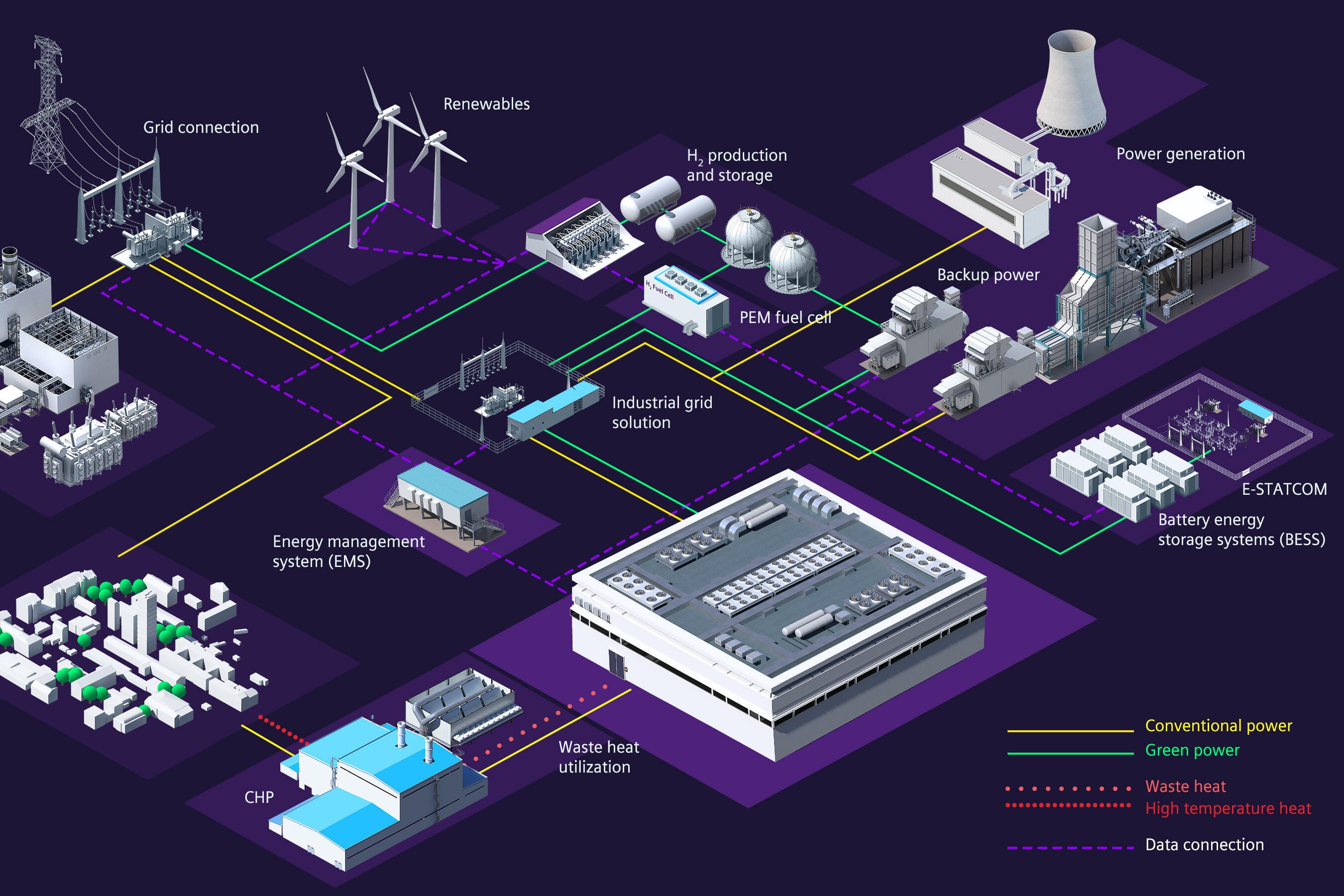
Name the space, budget, timing, or skill limit that shapes your energy efficiency decision.

Use the same criteria for each option so the tradeoff is visible.
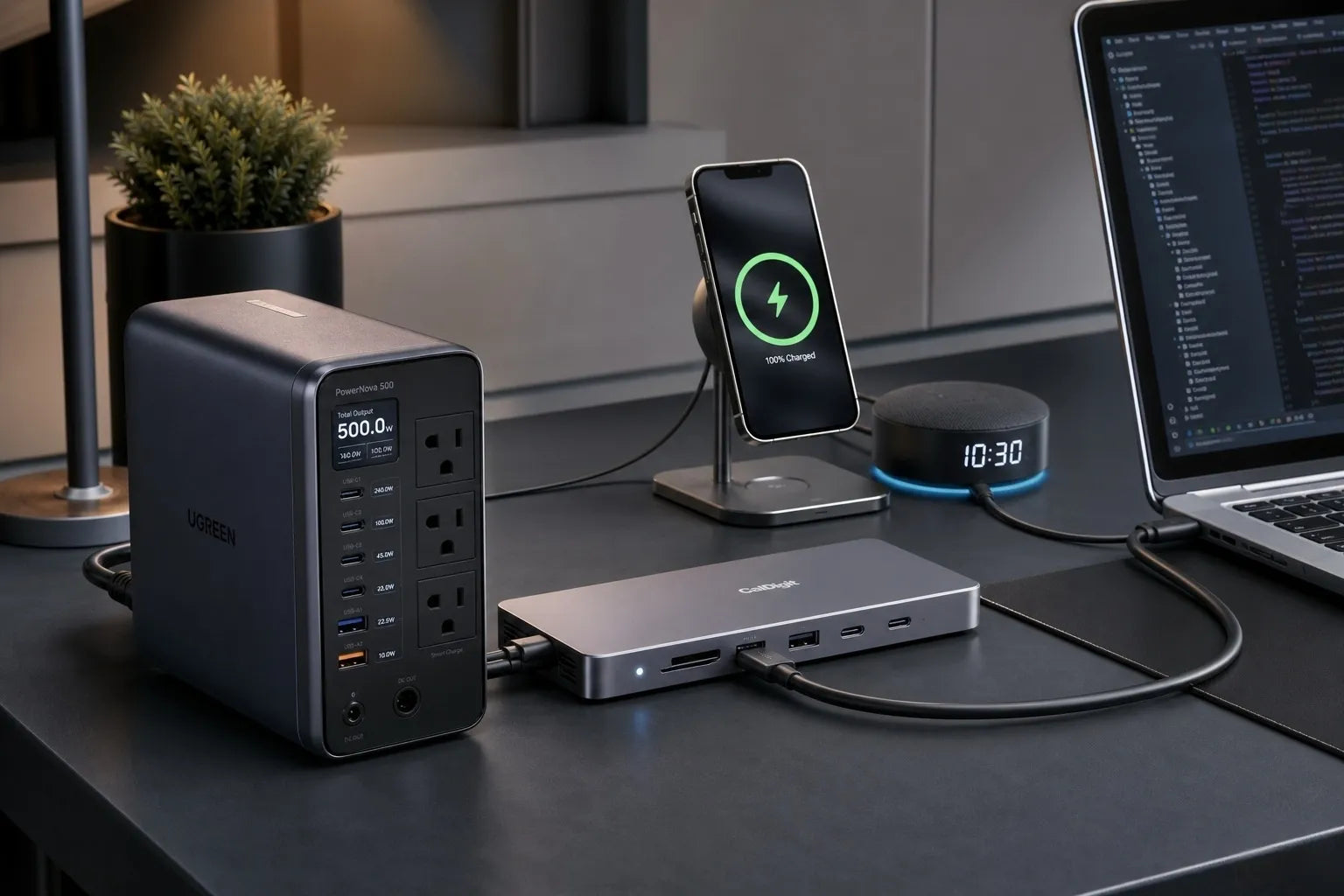
Pick the option that still works after cost, maintenance, and fallback needs are included.
Common energy mistakes to avoid
Smart technology only works if you install and configure it correctly. Many homeowners expect immediate savings, but poor setup can lead to higher bills or frustrated devices. Avoid these common errors to ensure your energy efficiency efforts pay off.
Ignoring Baseline Data
You cannot optimize what you do not measure. Before connecting any smart thermostats or plugs, track your current energy usage for at least two weeks. This baseline helps the system learn your habits and identify true anomalies. Without this data, the system may misinterpret normal usage as waste, leading to unnecessary adjustments that disrupt your comfort.
Overlooking Device Compatibility
Not all smart devices speak the same language. Mixing brands without a unified hub can create blind spots in your energy management system. Ensure your platform supports all your connected devices, from HVAC systems to water heaters. Incompatible devices will not share data, preventing the system from making holistic decisions about load balancing and peak shaving.
Disabling Automation Too Early
It takes time for machine learning models to understand your schedule. Turning off automation after a few days because the system "doesn't get it" prevents it from learning. Let the system run for at least a month. During this period, monitor for obvious errors, but allow it to adjust temperatures and schedules gradually. Early intervention often resets the learning curve, forcing you to start over.
What to check next in 2026
Before installing new hardware, address the practical concerns around costs, utility integration, and system compatibility.
What is a smart energy management system for a home?
A smart energy management system (HEMS) acts as the central nervous system for your home’s power usage. It uses machine learning models to analyze real-time data from appliances, weather forecasts, and utility rates. Instead of manual scheduling, the system automatically shifts high-load tasks—like EV charging or laundry—to off-peak hours, optimizing consumption without sacrificing comfort.
Is AI causing the electric bill to go up?
While AI servers and data centers consume significant electricity, residential energy tools are designed to reduce your bill, not increase it. These systems work by identifying waste and shifting usage to cheaper rate periods. If your bill rises, it is usually due to adding new high-energy devices (like an EV charger) rather than the software itself.
Which AI is best for home automation?
There is no single "best" AI; the right choice depends on your existing ecosystem. Look for platforms that support Matter or Z-Wave standards to ensure compatibility with your current sensors and switches. Popular options include Google Home, Apple HomeKit, and specialized energy managers like EcoFlow or Enjoyelec, which prioritize energy optimization over general smart home features.
What energy companies are going to power AI?
This question often confuses utility demand with residential supply. Energy companies are expanding grid capacity to meet the growing load from data centers. For homeowners, this means utilities are increasingly offering dynamic pricing plans that reward automated load shifting. Check with your local provider for time-of-use rates that pair best with automated energy management systems.
Helpful gear
Use these product recommendations as a starting point, then choose the size, material, and price point that fit how you actually use the gear.


As an Amazon Associate, we may earn from qualifying purchases.
No comments yet. Be the first to share your thoughts!