
Set your renovation budget and goals
Start by anchoring your sustainable home renovation in two concrete numbers: how much you can spend and what you expect to save. Without these targets, eco-friendly upgrades often become expensive experiments rather than investments. Break your budget into two buckets. The first covers hard costs like materials and labor for energy-efficient windows, insulation, or heat pumps. The second is a 15% contingency fund for hidden issues, such as outdated wiring or structural surprises, which are common in older homes.
Next, define specific sustainability targets that align with your financial limits. Instead of vague goals like "go green," aim for measurable outcomes. For example, target a 20% reduction in heating energy use or specify the use of low-VOC paints and sustainably sourced wood. These metrics help you compare quotes from contractors and evaluate product choices objectively. Prioritize upgrades that offer the fastest return on investment, such as sealing air leaks or upgrading insulation, which often pay for themselves within a few years through lower utility bills.
Finally, consider the long-term health and resilience of your home. Greener homes are not just more efficient; they are healthier and more resilient over time. Every renovation decision is an opportunity to improve air quality, reduce waste, and increase comfort. By setting clear goals now, you ensure that your sustainable home renovation delivers both immediate value and lasting benefits.
Choose low-impact building materials
The materials you select define the environmental footprint of your project. Switching to sustainable home renovation supplies reduces waste and lowers indoor pollution. Start by auditing your existing structure. Reclaim wood, metal, and fixtures before buying new. This step cuts disposal fees and gives your home character.
When you must buy new, prioritize materials with low embodied carbon. Hempcrete offers natural insulation and regulates humidity. Look for certifications like FSC for wood and GreenGuard for finishes. These labels verify that the product meets strict environmental standards.
Don't ignore indoor air quality. Low-VOC paints and adhesives prevent the release of harmful chemicals. This choice is critical for families with children or pets. Your lungs will thank you during the curing process.
Compare options using a simple matrix. Track cost, durability, and carbon impact for each material. This data helps you justify higher upfront costs for long-term savings.
Compare material options
| Material | Cost Level | Durability | Carbon Impact |
|---|---|---|---|
| Reclaimed Wood | Low | High | Very Low |
| Hempcrete | Medium | Medium | Low |
| Low-VOC Paint | Low | Low | Low |
| Recycled Steel | High | High | Medium |
Upgrade windows and insulation
Improving your home’s building envelope is the most effective way to cut energy loss and stabilize indoor comfort. Before adding smart features or renewable energy systems, seal the gaps where heat escapes. This section walks through the specific tasks for upgrading windows and insulation to meet 2026 sustainability standards.
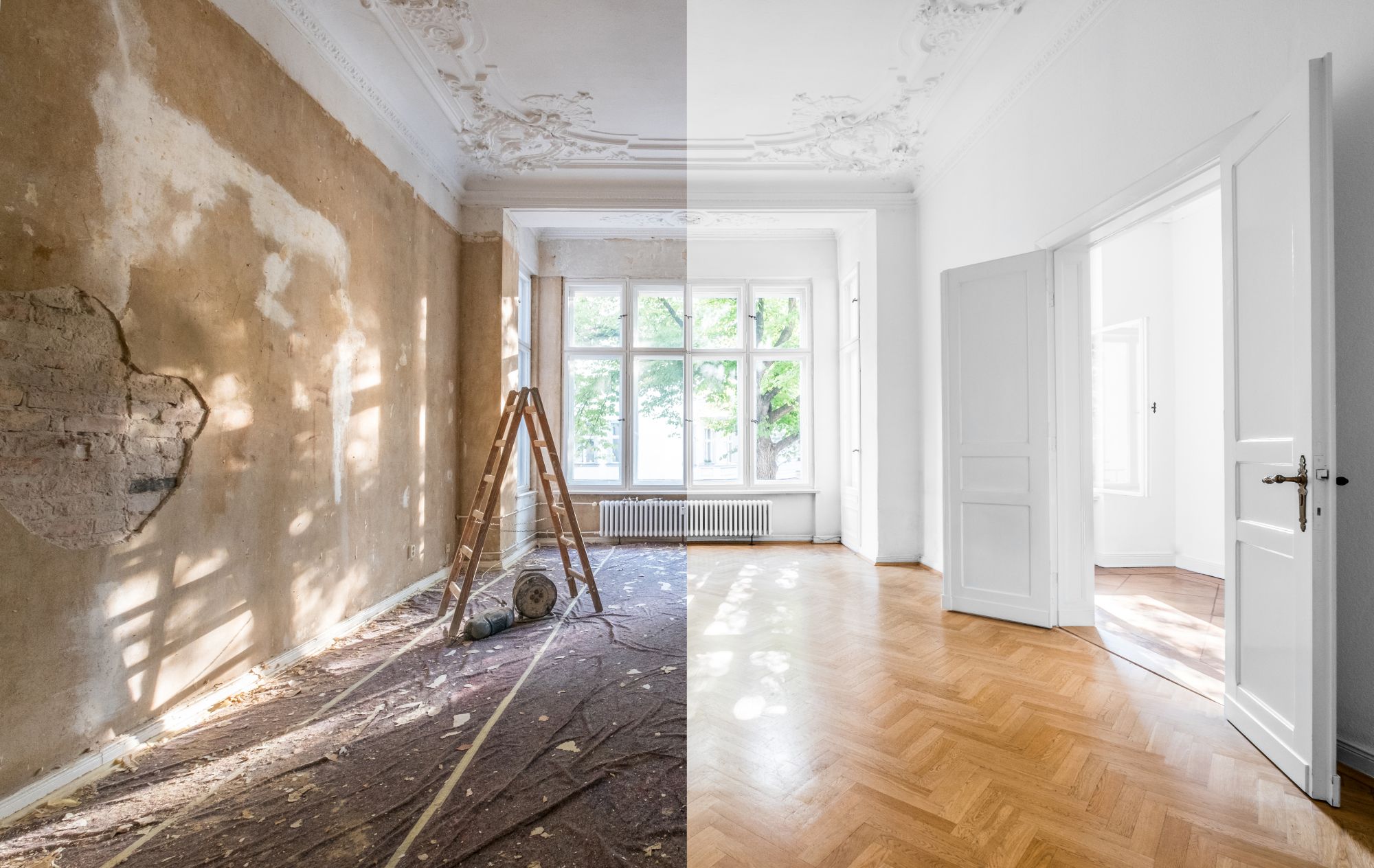
Start by identifying single-pane windows and drafts around frames. Use a candle or incense stick on windy days to spot air leaks. Note which windows are foggy or difficult to operate, as these indicate seal failure. This audit determines which units need full replacement versus simple weatherstripping.
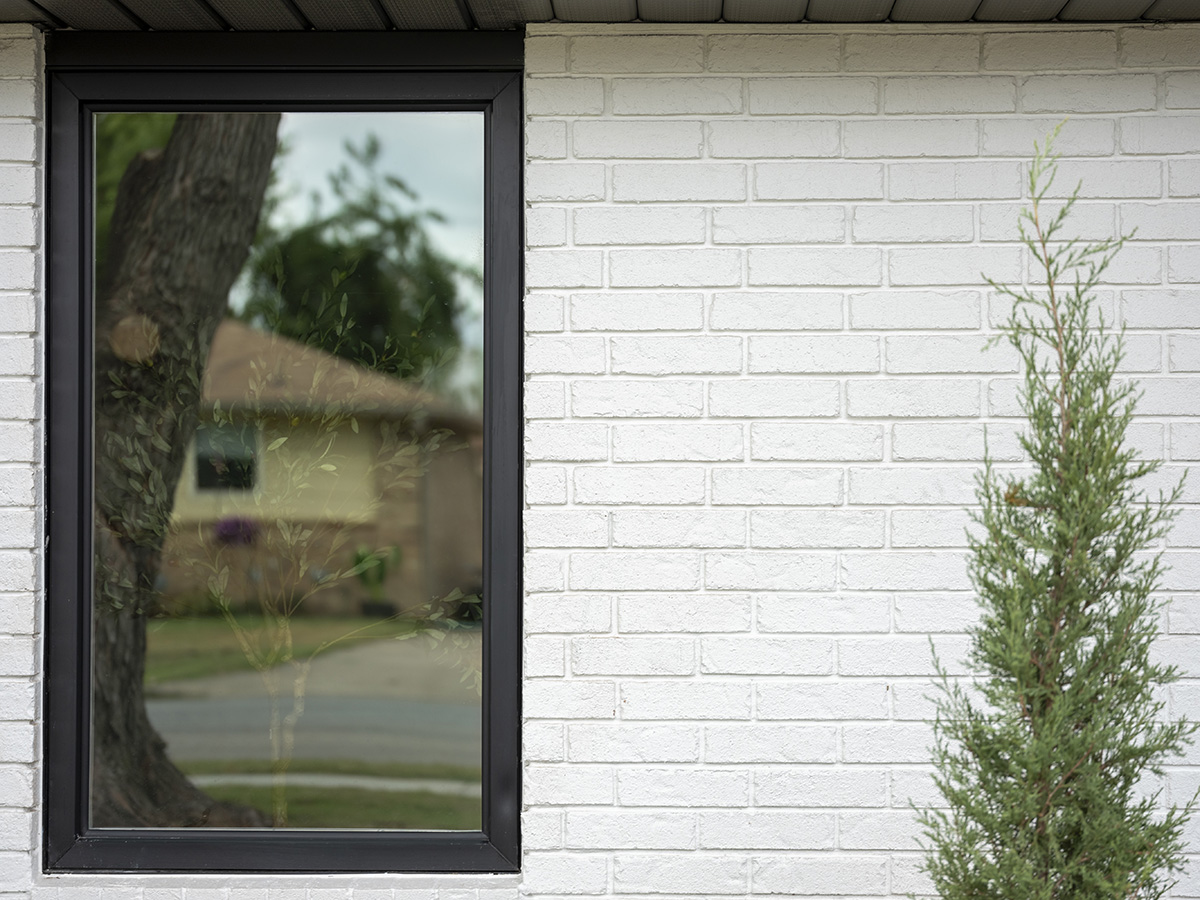
Replace old units with double or triple-pane windows featuring low-emissivity (low-E) coatings and argon gas fills. Look for Energy Star certification to ensure verified performance in your climate zone. Proper installation with insulated frames is critical; poor fitting negates the benefits of high-tech glass.
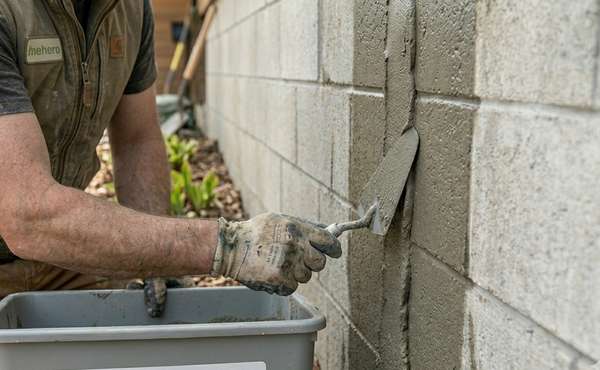
Heat rises, making the attic the primary source of energy loss. Add blown-in cellulose or fiberglass insulation to reach recommended R-values (R-49 to R-60 in most US climates). Ensure soffits remain unblocked to maintain proper ventilation, preventing moisture buildup that damages roof structures.
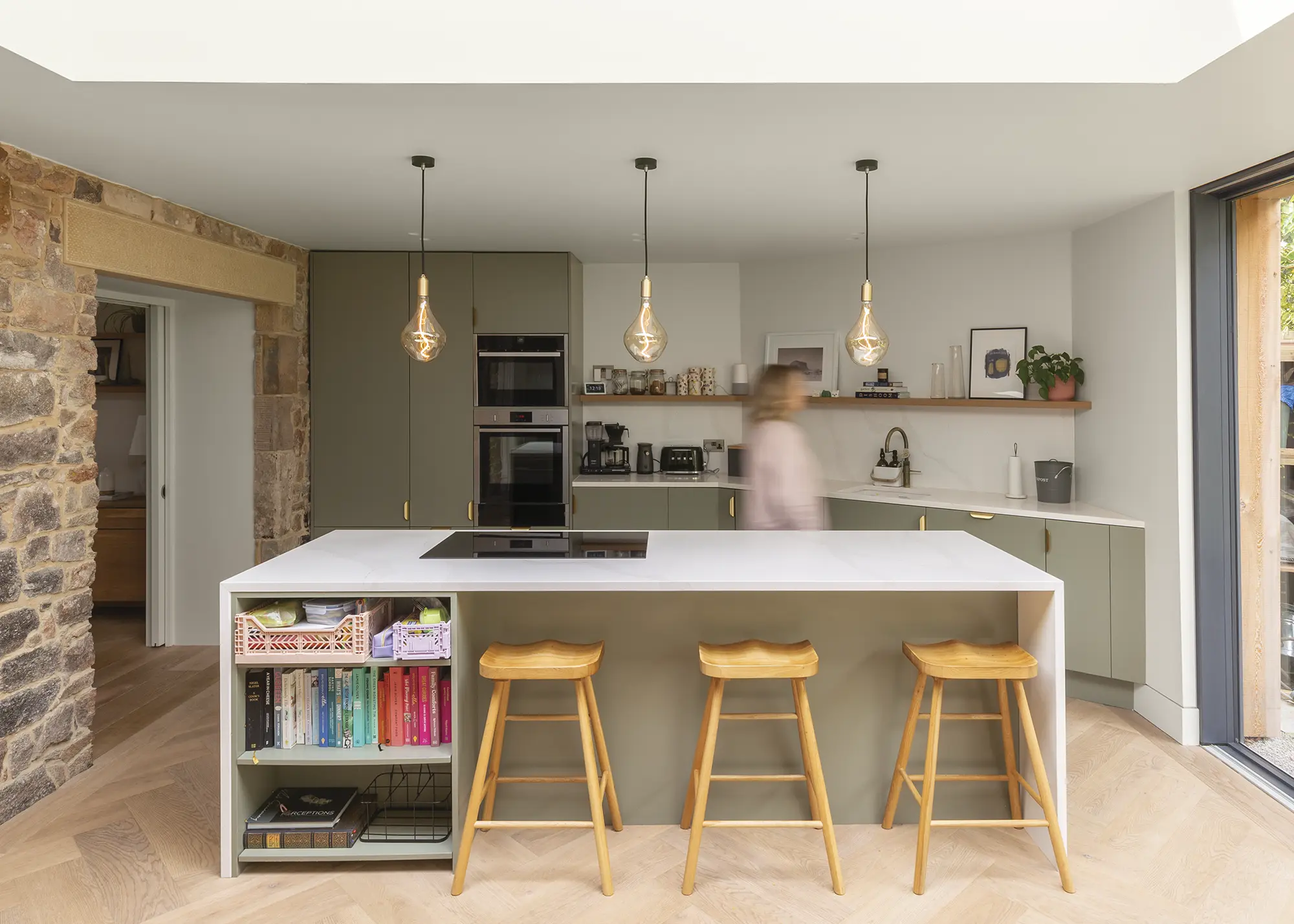
For existing walls, consider dense-pack cellulose or foam injection through small drilled holes. In basements, use rigid foam board insulation on interior or exterior walls to prevent thermal bridging. Seal any cracks in the foundation with hydraulic cement or expanding foam to keep dampness and drafts out.
After installation, hire a professional for a blower door test to measure air changes per hour (ACH). This test confirms that your new windows and insulation are performing as expected. It also identifies any remaining leaks that need sealing before the renovation is considered complete.
Upgrading windows and insulation creates a tight, efficient shell that reduces the workload on your HVAC system. This foundational work pays for itself through lower utility bills and increased home resilience against extreme weather.
Install smart energy systems
Smart energy systems form the nervous system of a sustainable home renovation. By integrating smart thermostats, efficient lighting, and renewable generation, you reduce waste and lower utility bills. These technologies work best when installed as a coordinated network rather than isolated devices.
1. Program the smart thermostat
The thermostat is the primary control point for heating and cooling, which typically account for the largest share of home energy use. A smart thermostat learns your schedule and adjusts temperatures automatically. Look for models compatible with your HVAC system’s voltage and wiring configuration. Many modern units offer remote access via mobile apps, allowing you to adjust settings while away from home. This prevents energy waste from heating or cooling an empty house.
2. Switch to LED lighting
Replacing incandescent and CFL bulbs with LEDs is one of the most cost-effective upgrades in any renovation. LEDs use at least 75% less energy and last up to 25 times longer. When installing, choose bulbs with the correct color temperature (2700K–3000K for living spaces) and brightness (lumens) for each room. Consider adding smart switches or dimmers to further control usage. This simple change reduces heat output in summer and electricity demand year-round.
3. Integrate solar panels
Solar panels generate clean electricity on-site, significantly reducing reliance on the grid. Before installation, conduct a roof orientation assessment to ensure maximum sun exposure. Choose a reputable installer who can handle permits and interconnection agreements with your utility provider. Modern systems often include battery storage, allowing you to use solar power during evening hours or power outages. This step transforms your home from a passive energy consumer to an active producer.
4. Connect devices to a central hub
Isolated smart devices offer limited efficiency gains. A central hub or smart home controller allows your thermostat, lighting, and solar inverter to communicate. This integration enables automation rules, such as dimming lights when solar production peaks or adjusting the thermostat when the sun sets. Ensure all devices support common protocols like Zigbee, Z-Wave, or Matter to avoid compatibility issues. This unified approach ensures your sustainable home renovation works as a cohesive, efficient system.
Add water-saving fixtures and landscaping
Reduce your home’s water footprint by upgrading indoor fixtures and rethinking your outdoor layout. These changes lower utility bills and support local ecosystems, especially in dry climates.
Install efficient indoor fixtures
Start with the bathroom and kitchen. Replace old toilets with WaterSense-labeled models that use 1.28 gallons per flush or less. EPA WaterSense certification ensures these fixtures meet strict performance standards without sacrificing power.
Swap out bathroom faucets and showerheads for low-flow versions. A standard showerhead uses 2.5 gallons per minute; a WaterSense model uses 2.0 or less. In the kitchen, look for faucets with aerators that maintain pressure while cutting flow to 1.5 gallons per minute or lower.
Choose drought-tolerant landscaping
Outdoors, shift from thirsty lawns to native, drought-tolerant plants. Native species are adapted to local rainfall patterns, requiring little to no supplemental irrigation once established. Replace turf grass with ground covers, succulents, or ornamental grasses that thrive in your specific hardiness zone.
Install a drip irrigation system for any remaining garden beds. Unlike sprinklers, drip lines deliver water directly to the roots, minimizing evaporation and runoff. Group plants with similar water needs together in hydrozones to avoid overwatering some areas while under-watering others.
Harvest and recycle greywater
For a more advanced step, consider greywater recycling. This system captures water from showers, bathroom sinks, and washing machines, filtering it for use in landscape irrigation. Always check local building codes before installing greywater systems, as regulations vary by region.
Rainwater harvesting is another viable option. Install a rain barrel or cistern to catch runoff from your roof. This water can be used for washing cars, cleaning patios, or watering gardens, further reducing your reliance on municipal water supplies.
Check your renovation progress
Before handing over the final payment, verify that every sustainable home renovation goal has been met. This final inspection ensures the project delivers on energy efficiency, material health, and long-term resilience.
Confirm that all wood, insulation, and finishes carry third-party certifications like FSC or Greenguard. Check receipts against the original bill of materials to ensure no lower-grade substitutes were used.
Run a blower door test to validate air sealing. Verify that HVAC systems are balanced and that water-saving fixtures, such as low-flow toilets and rainwater harvesting components, are functioning without leaks.
Ensure all construction debris was sorted for recycling or composting. The site should be free of hazardous chemical residues, and any greywater recycling systems should be fully operational and documented.
Common questions about green renovations
Sustainable home renovation costs vary based on scope and material choices. While upfront investments can be higher, long-term savings on energy and water bills often offset the initial price. Understanding these financial dynamics helps you plan a realistic budget for your 2026 project.
Is a sustainable home renovation expensive?
The cost depends on the specific upgrades you choose. High-impact changes like solar panels or heat pumps have higher initial prices but offer significant long-term savings. Simpler changes, such as switching to LED lighting or sealing windows, are relatively affordable. According to industry trends, combining energy-efficient upgrades with durable, reclaimed materials can balance the budget while maximizing environmental impact [src-serp-2].
Do sustainable renovations increase home value?
Yes, eco-friendly features often boost resale value. Buyers increasingly prioritize homes with lower utility bills and better indoor air quality. Features like energy-efficient windows, smart thermostats, and drought-tolerant landscaping are particularly attractive [src-serp-1]. These improvements signal that the home is well-maintained and future-proofed against rising energy costs.
How long does a green renovation take?
Timeline depends on the complexity of the project. Simple updates like lighting swaps or sealant applications might take a few days. More involved tasks, such as installing greywater recycling systems or replacing roofing with sustainable materials, can take several weeks. Proper planning and sourcing of eco-friendly materials in advance can help keep the project on schedule [src-serp-3].
No comments yet. Be the first to share your thoughts!