
Sustainable home tech 2026 budget
Building a sustainable smart home in 2026 isn't about buying the cheapest gadgets; it's about buying the right ones for your specific setup. The market has shifted from novelty to utility, with a focus on energy awareness and unified systems that actually lower bills. When evaluating your budget, you need to look past the sticker price and consider the lifespan, energy efficiency, and compatibility of each device.
Start by identifying the highest-impact upgrades. Smart thermostats and energy monitors often pay for themselves within a year by optimizing heating and cooling. For lighting, LED smart bulbs are affordable and offer immediate savings, but ensure they integrate with your existing hub to avoid fragmented control. Avoid buying into proprietary ecosystems that lock you in; open standards like Matter are becoming the norm, making cross-brand compatibility easier and future-proofing your investment.
Condition and age matter more than ever. Refurbished or older-generation smart devices can offer significant value if they still receive firmware updates. However, avoid outdated hardware that lacks current security patches or energy-saving features. The goal is to create a system that works together seamlessly, reducing waste and maximizing efficiency without breaking the bank. Prioritize devices that offer clear, measurable returns on your energy consumption.
Shortlist real options
The to Sustainable Home Tech works best as a clear sequence: define the constraint, compare the realistic options, test the tradeoff, and choose the path with the fewest hidden costs. That order keeps the advice usable instead of decorative. After each step, pause long enough to check whether the recommendation still fits the reader's actual situation. If it depends on perfect timing, unusual access, or a best-case budget, include a simpler fallback.
| Factor | What to check | Why it matters |
|---|---|---|
| Fit | Match the option to the primary use case. | A good deal still fails if it does not fit the job. |
| Condition | Verify age, wear, and service history. | Hidden condition issues erase upfront savings. |
| Cost | Compare purchase price with likely upkeep. | The cheapest option is not always the lowest-cost option. |
Inspect the expensive parts
Smart home tech is no longer just about convenience; it’s about long-term value. When you invest in sustainable home technology, you need to look past the flashy features and focus on the components that fail first. A broken sensor or a degraded battery can turn a $300 gadget into e-waste within two years.
This section breaks down the critical failure points of popular eco-friendly gadgets. By inspecting these areas, you ensure your sustainable home tech actually saves money over time rather than costing you in replacements and energy waste.
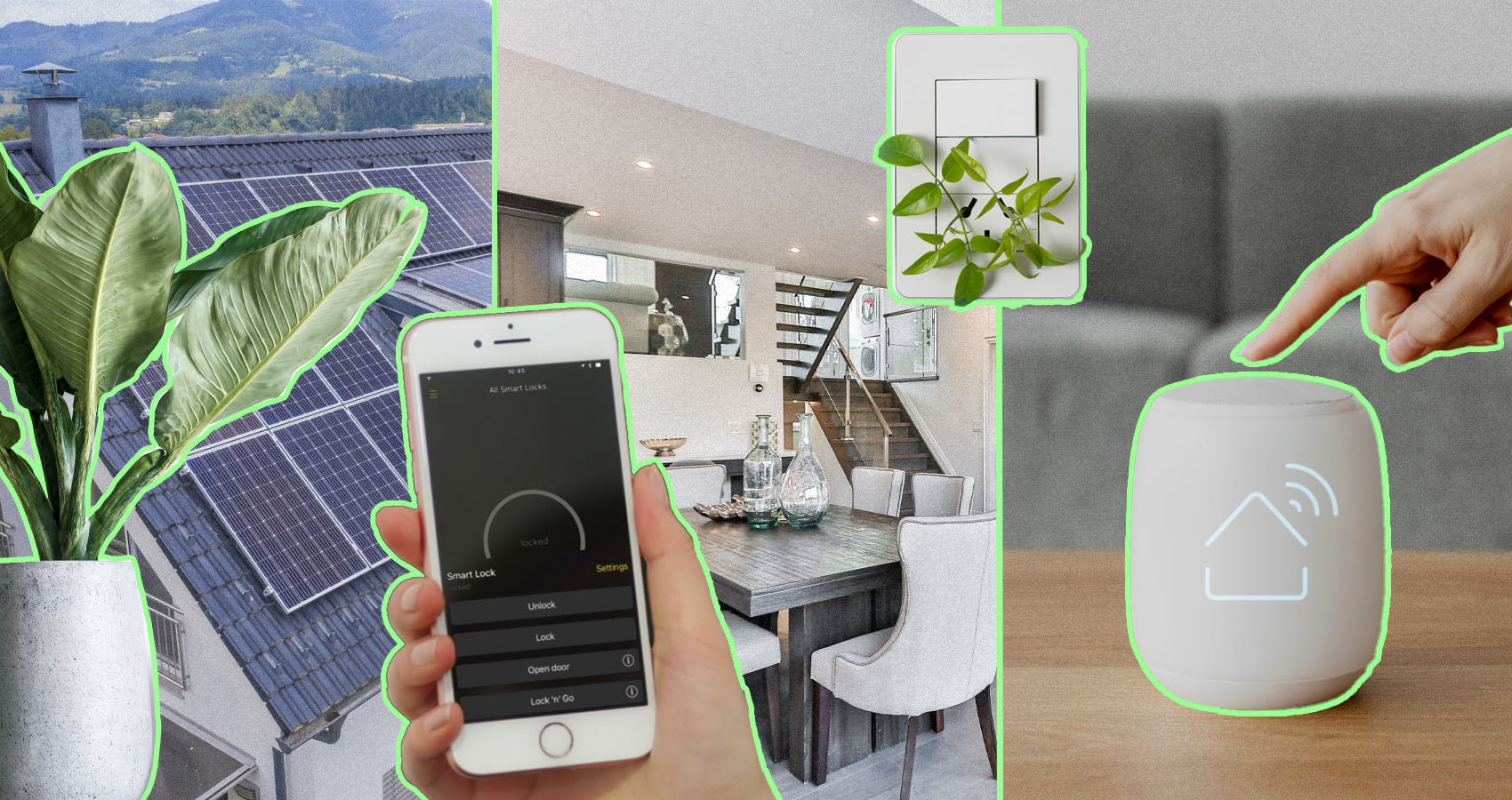
Many sustainable gadgets, like wireless doorbells and smart locks, rely on non-rechargeable lithium batteries. If the battery is sealed inside, you’re discarding the entire unit when the power dies. Look for devices with standard AA/AAA slots or USB-C rechargeable options. This simple choice extends the product’s life by years, reducing electronic waste and long-term costs.
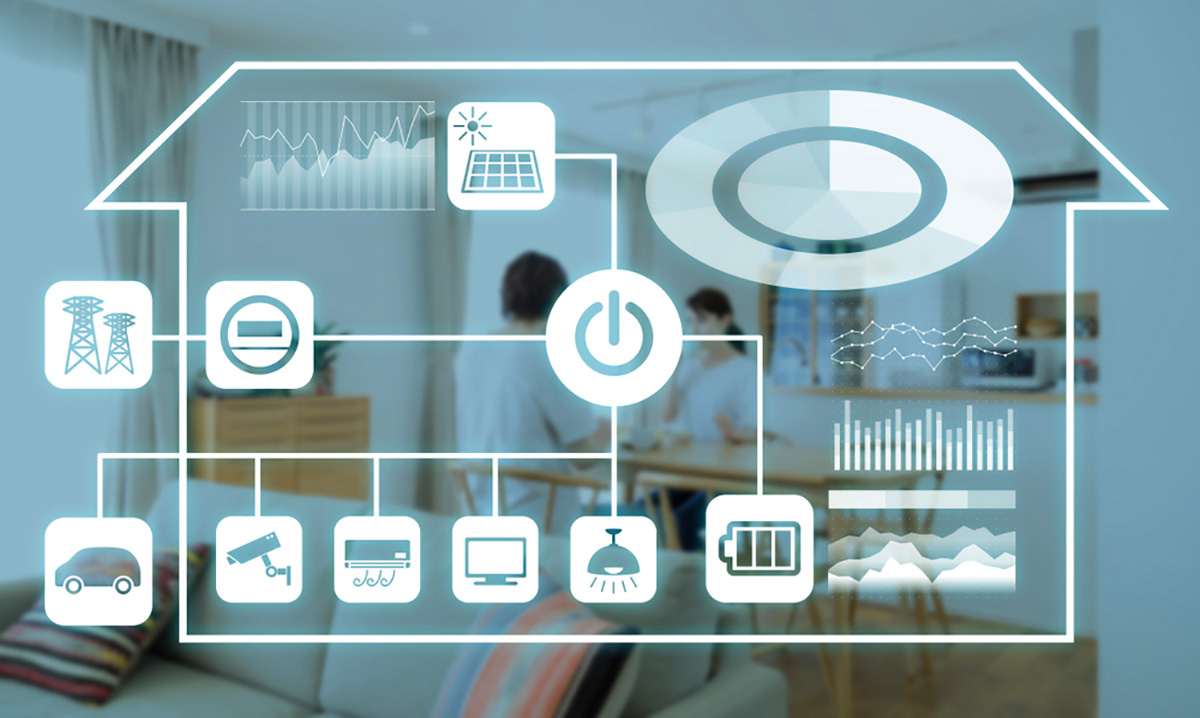
Thermostats and air quality monitors depend on accurate sensors. Cheap sensors drift over time, causing your HVAC system to overwork. Check if the device offers firmware updates to recalibrate or if the sensor is user-replaceable. A poorly calibrated thermostat can increase energy bills by 10-15% annually, negating any sustainability benefits.
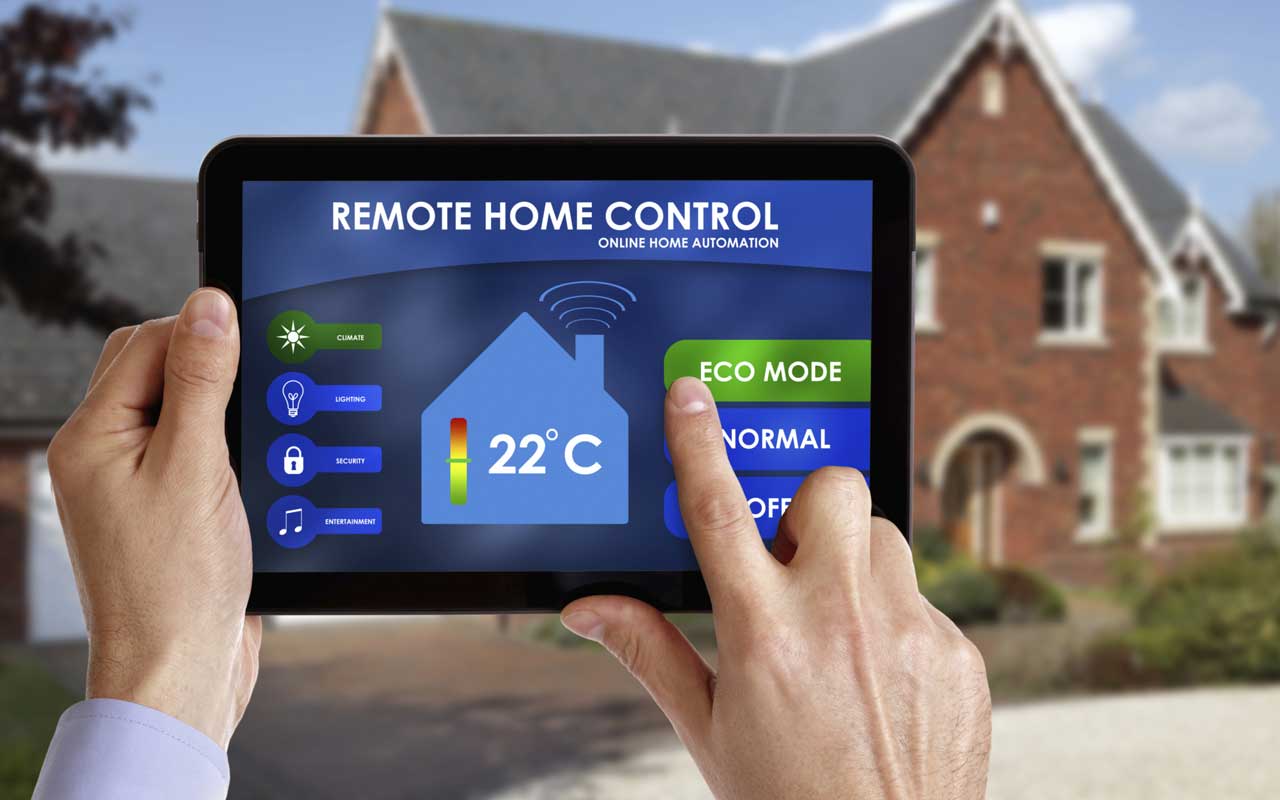
Outdoor gadgets face rain, UV light, and temperature swings. Inspect the mounting brackets and weather seals. Loose mounts lead to misaligned cameras or sensors, while degraded seals cause internal corrosion. Choose devices with IP65 or higher ratings and stainless steel or powder-coated hardware to withstand the elements without frequent repairs.

Hardware outlives software often. Before buying, check the manufacturer’s promised support period. Devices that stop receiving security updates or app compatibility patches become unusable or unsafe within three to five years. Prioritize brands that commit to long-term software support, ensuring your investment remains functional and secure for the long haul.
By focusing on these inspection points, you avoid the hidden costs of premature failure. Sustainable home tech should last, not just impress. Choose wisely, and your gadgets will pay for themselves through durability and efficiency.
Plan for ownership costs
Buying a smart home gadget is the easy part. The real test is how much it costs to keep it running. A cheap device that fails after a year or demands expensive subscriptions is more expensive than a durable unit that lasts five. When evaluating eco-friendly tech, look beyond the sticker price to the total cost of ownership.
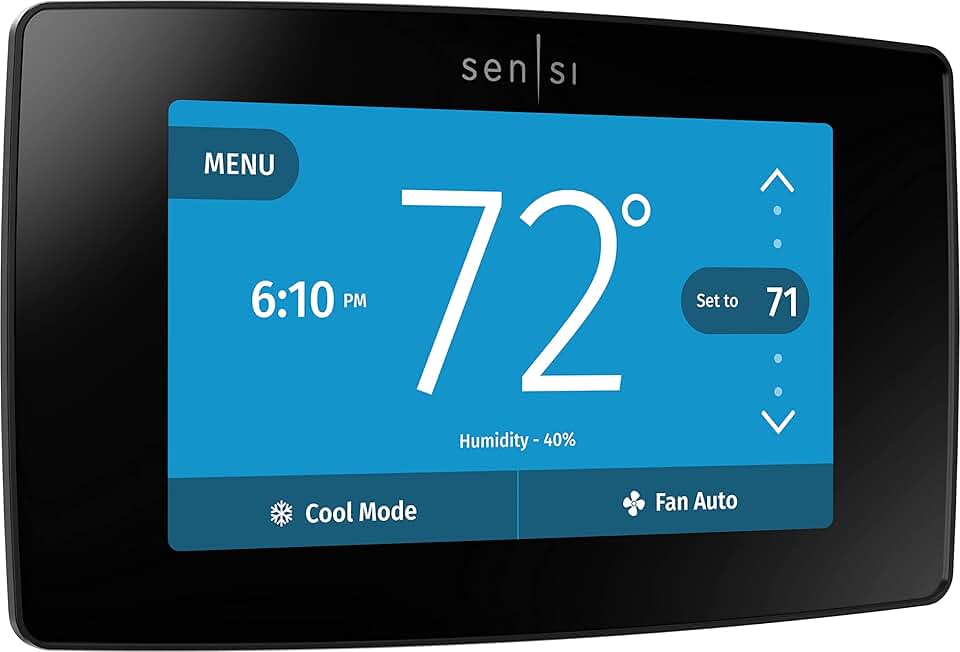
Maintenance surprises often come from consumables and software. Smart air purifiers need filter replacements every few months, adding up quickly. Some smart thermostats require a C-wire; if your home lacks one, you’ll need to hire an electrician to install one, which can double the initial cost. Always check if a device supports local control or if it relies entirely on cloud servers. If the server shuts down, does the device stop working?
Subscriptions are the silent budget killer. Many smart security cameras and water leak detectors charge monthly fees for cloud storage or emergency monitoring. While these services are useful, they turn a one-time purchase into a recurring bill. Factor in a five-year subscription cost when comparing devices. If a lower-priced model requires a $50/year fee, it is likely more expensive over time than a pricier model with free local storage.


As an Amazon Associate, we may earn from qualifying purchases.
Sustainable home tech 2026: what to check next
We’ve sorted through the CES 2026 announcements and current market leaders to answer the practical questions you have before buying. These answers focus on real savings, compatibility, and what actually works in a home setting.
No comments yet. Be the first to share your thoughts!