
The shift from pilot to production
Artificial intelligence in hiring has moved past the experimental phase and into core daily workflows. According to SHRM data cited by MSH Talent, AI use across HR tasks climbed to 43 percent in 2026, up from just 26 percent in 2024. This sharp increase signals that organizations are no longer testing isolated tools but are integrating AI into their primary recruitment infrastructure.
This transition is reshaping workforce planning. Robert Half reports that 51 percent of business leaders expect their department’s use of AI tools to drive additional hiring in 2026. Nearly half of these leaders are prioritizing roles that are more strategic, suggesting that AI is augmenting human judgment rather than simply replacing entry-level screening tasks.
The data reflects a broader industry normalization. As AI becomes standard in talent acquisition, the focus is shifting from implementation challenges to optimization and ethical compliance. Companies are now managing AI as a permanent operational asset rather than a temporary innovation.
The Rise of the AI Operator
The hiring landscape is undergoing a structural shift. As artificial intelligence tools mature from experimental prototypes to standard operational utilities, the demand for talent is moving away from pure engineering roles toward "AI operators." This transition reflects a broader reality: most organizations do not need to build new models; they need people who can integrate existing ones into daily workflows.
According to recent insights from LinkedIn, entry-level roles are changing shape to prepare for this automation. The focus is no longer solely on coding complex algorithms but on managing automated systems, interpreting outputs, and ensuring ethical compliance. This requires a hybrid skill set that blends technical literacy with domain-specific expertise.
This trend aligns with broader market predictions. A 2026 report by Boston Consulting Group notes that 50% to 55% of jobs in the US will be reshaped by AI over the next two to three years. For many employees, this means retaining their core responsibilities while adopting AI as a primary collaborator. The "AI operator" is not a replacement for human judgment but an amplifier of it.
Skills-based hiring and job auditions
The industry is shifting away from credential-based screening toward skills-based hiring, a transition accelerated by AI recruitment tools. Instead of relying on degree filters or tenure length, autonomous systems now evaluate candidates on demonstrated capabilities. This approach reduces bias and aligns more closely with actual job performance, as traditional resumes often fail to capture practical competence.
AI screening platforms analyze work samples, coding tests, and structured interviews to verify skills directly. Companies are increasingly adopting "job auditions"—short, paid practical assessments that allow candidates to prove their fit before a full interview cycle. This method not only improves hiring accuracy but also enhances the candidate experience by focusing on relevant tasks rather than abstract qualifications.

Comparison: Credentials vs. Skills
The following table outlines the structural differences between traditional credential-based hiring and modern skills-based AI screening.
| Feature | Credential-Based | Skills-Based AI |
|---|---|---|
| Primary Filter | Degrees & Tenure | Work Samples & Tests |
| Bias Risk | High (Institutional) | Lower (Performance) |
| Speed | Slow (Manual Review) | Fast (Automated) |
| Predictive Value | Low to Moderate | High |
This shift reflects a broader workforce trend where AI-adjacent roles require verified practical skills rather than theoretical knowledge. As organizations adapt, the focus moves from who you know or where you studied to what you can actually do.
Bias audits before bots
The shift from pilot programs to full-scale deployment is happening fast. AI adoption across HR tasks climbed to 43 percent in 2026, up from 26 percent in 2024, signaling that autonomous recruitment is no longer experimental—it is operational [src-serp-5]. But speed should not outpace scrutiny. Before you hand over hiring authority to an algorithm, you need to know what it is actually learning.
Autonomous recruitment tools often inherit the biases present in historical hiring data. If your past hiring patterns favored certain demographics, the model will likely replicate those patterns at scale. A bias audit is not just a compliance checkbox; it is a risk management necessity. Without it, you risk building a system that systematically excludes qualified candidates while exposing the company to legal liability.
Start by testing your model against disparate impact metrics. Look for statistically significant differences in selection rates across protected groups. If the gap is wider than industry standards, pause deployment and retrain. Document every step of this process. In the event of a regulatory inquiry, your audit trail will be your primary evidence of due diligence.
Base Advice tools for autonomous recruitment
As 2026 progresses, the hiring landscape is shifting from experimental pilots to embedded workflows. AI use across HR tasks has climbed to 43 percent, up from 26 percent in 2024, signaling that autonomous recruitment is no longer optional but operational [src-serp-5]. Base Advice addresses this shift by providing actionable, bias-aware recommendations that align with these broader market movements.
The core challenge in 2026 is not a lack of data, but the noise within it. Employers are concentrating limited hiring on roles tied to AI, creating a competitive bottleneck for strategic talent [src-serp-2]. Base Advice cuts through this complexity by analyzing job descriptions and candidate profiles against real-time market benchmarks. This ensures that hiring decisions are driven by objective criteria rather than unconscious bias, which is critical when 51% of business leaders expect AI tools to drive additional hiring [src-serp-4].
By integrating these insights, organizations can manage the reshaping of jobs more effectively. With 50% to 55% of jobs in the US expected to be reshaped by AI over the next few years, the ability to identify and hire for emerging roles is paramount [src-serp-1]. Base Advice provides the structured guidance needed to make these autonomous decisions with confidence.
For HR leaders looking to deepen their understanding of these tools and bias mitigation strategies, the following resources offer practical guidance for implementing autonomous recruitment systems.

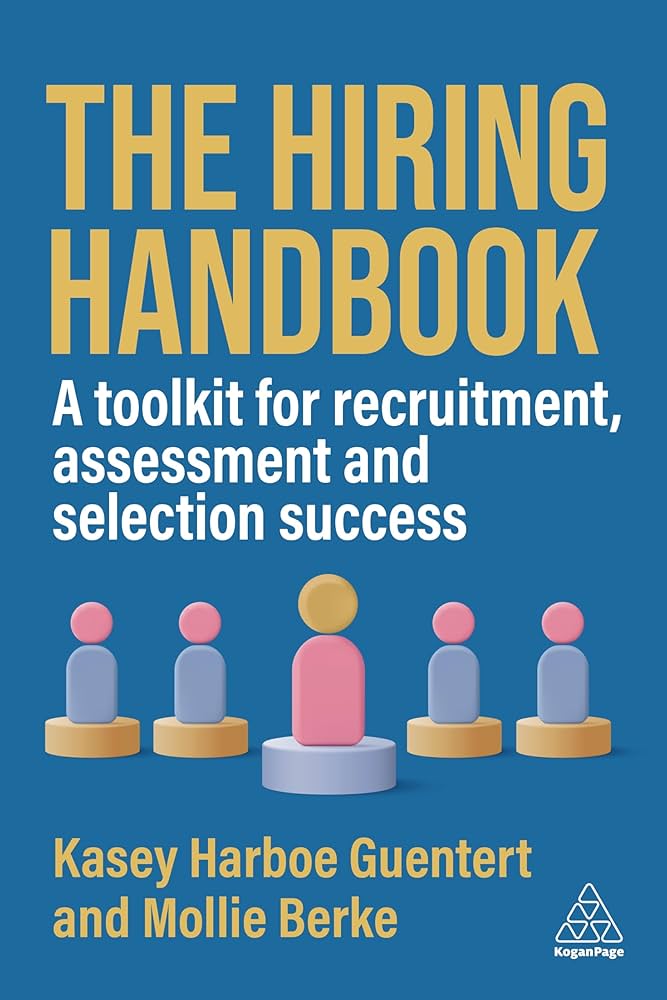

As an Amazon Associate, we may earn from qualifying purchases.
Checklist for 2026 hiring strategy
Integrating AI into recruitment requires a shift from pilot programs to operational workflows. With AI use in HR tasks climbing to 43 percent in 2026, HR teams must establish clear guardrails to maintain quality and compliance. This checklist outlines the essential steps for implementing autonomous recruitment tools effectively.
Before scaling, test your current AI recruitment software for demographic bias. Use the EEOC’s AI hiring guidelines as a baseline for evaluation. Document any disparities in candidate screening or ranking algorithms to ensure legal compliance and fairness.
Autonomous tools should assist, not replace, human judgment. Establish strict protocols where final hiring decisions always involve a human reviewer. This step mitigates risk and ensures that nuanced candidate qualities are not overlooked by automated systems.
The demand is shifting from AI engineers to AI operators. Train your hiring team to interpret AI-driven insights and manage automated workflows. Focus on skills that allow recruiters to leverage data for better candidate matching rather than just technical tool management.

Regularly survey candidates about their interaction with AI tools. Poor user experiences can damage your employer brand. Track metrics like application drop-off rates and feedback scores to identify friction points in the automated hiring process.
No comments yet. Be the first to share your thoughts!