
Budget fit: Ai finance agents 2026 budget
Finding an AI agent that fits your budget requires balancing price, age, and condition. The market splits into two distinct tiers: enterprise-grade tools for professional finance teams and consumer-focused assistants for personal use. Understanding where your needs fall helps you avoid overpaying for features you won't use.
Enterprise agents like DataSnipper automate complex document extraction and audit evidence management. These tools integrate directly with ERP and CRM systems, handling invoice processing and compliance checks. They are built for scale, offering robust security and high accuracy, but they come with a significant price tag and a steeper learning curve. If you manage a small business or a complex household portfolio, the cost may be justified by the time saved on manual data entry.
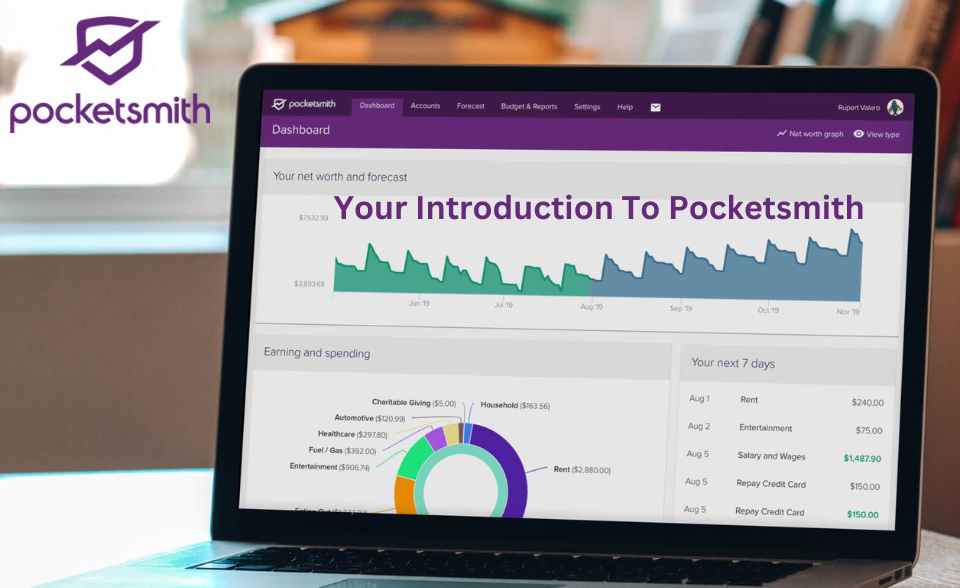
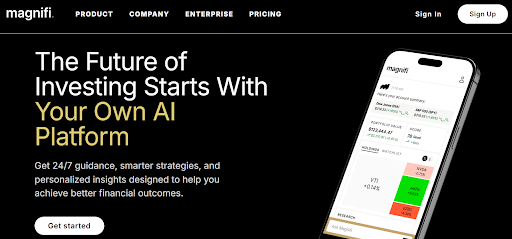
For most individuals, consumer-grade AI agents offer a more realistic entry point. These tools focus on forecasting, budgeting, and expense tracking. They are generally affordable, often operating on a freemium model or a modest monthly subscription. While they lack the deep integration capabilities of enterprise solutions, they excel at simplifying daily financial decisions and providing clear visibility into cash flow.
When evaluating options, consider the total cost of ownership. A cheaper tool that requires extensive manual setup may end up costing more in time than a pricier, more automated solution. Look for agents that integrate with your existing banking and budgeting apps to reduce friction. The goal is to find a balance where the automation saves you more time than it costs in subscription fees and setup effort.
Shortlist real options
Choosing the right AI finance agent depends on your specific workflow bottlenecks. Whether you need to automate invoice processing, streamline audit evidence, or orchestrate complex financial data, the 2026 landscape offers specialized tools rather than one-size-fits-all solutions. The following comparison highlights the strongest performers based on current market capabilities and user adoption.
| Product | Primary Use Case | Key Strength | Source |
|---|---|---|---|
| Peakflo | Invoice Automation | AI agent orchestration for finance teams | Peakflo |
| DataSnipper | Audit Evidence Extraction | Document extraction in Excel; used by Big 4 | Tellius |
| Sanalabs | ERP/CRM Integration | Automates forecasting and compliance across systems | Sanalabs |
Peakflo stands out for teams focused on accounts payable and invoice processing. Its AI agent orchestration capabilities allow it to integrate seamlessly with existing ERP systems, reducing manual data entry and speeding up the close cycle. This aligns with broader trends where finance leaders are prioritizing platforms that can handle complex, multi-step financial workflows autonomously.
For audit and compliance-heavy roles, DataSnipper offers a different value proposition. It specializes in extracting and managing audit evidence directly from Excel files, a critical tool for accounting firms and internal audit teams. Its adoption by all Big 4 firms signals its reliability in high-stakes, regulated environments where accuracy is non-negotiable.
Sanalabs provides a more comprehensive approach for organizations managing fragmented data across ERP and CRM systems. Its agents automate forecasting, compliance checks, and invoice processing, making it suitable for finance departments that need to bridge data silos. This holistic automation helps finance teams move from reactive data gathering to proactive financial planning.
When evaluating these options, consider your team's primary pain point. If invoice volume is the bottleneck, Peakflo's orchestration features offer the most direct impact. If audit preparation consumes excessive time, DataSnipper's document extraction capabilities will likely yield the fastest ROI. For broader data integration challenges, Sanalabs offers the necessary cross-system connectivity.
Inspect the expensive parts
AI finance agents promise automation, but a single misconfiguration can trigger costly errors. Before trusting these tools with critical workflows, run through this inspection checklist. Focus on the high-risk areas where automation fails most often: data integrity, compliance, and system integration.
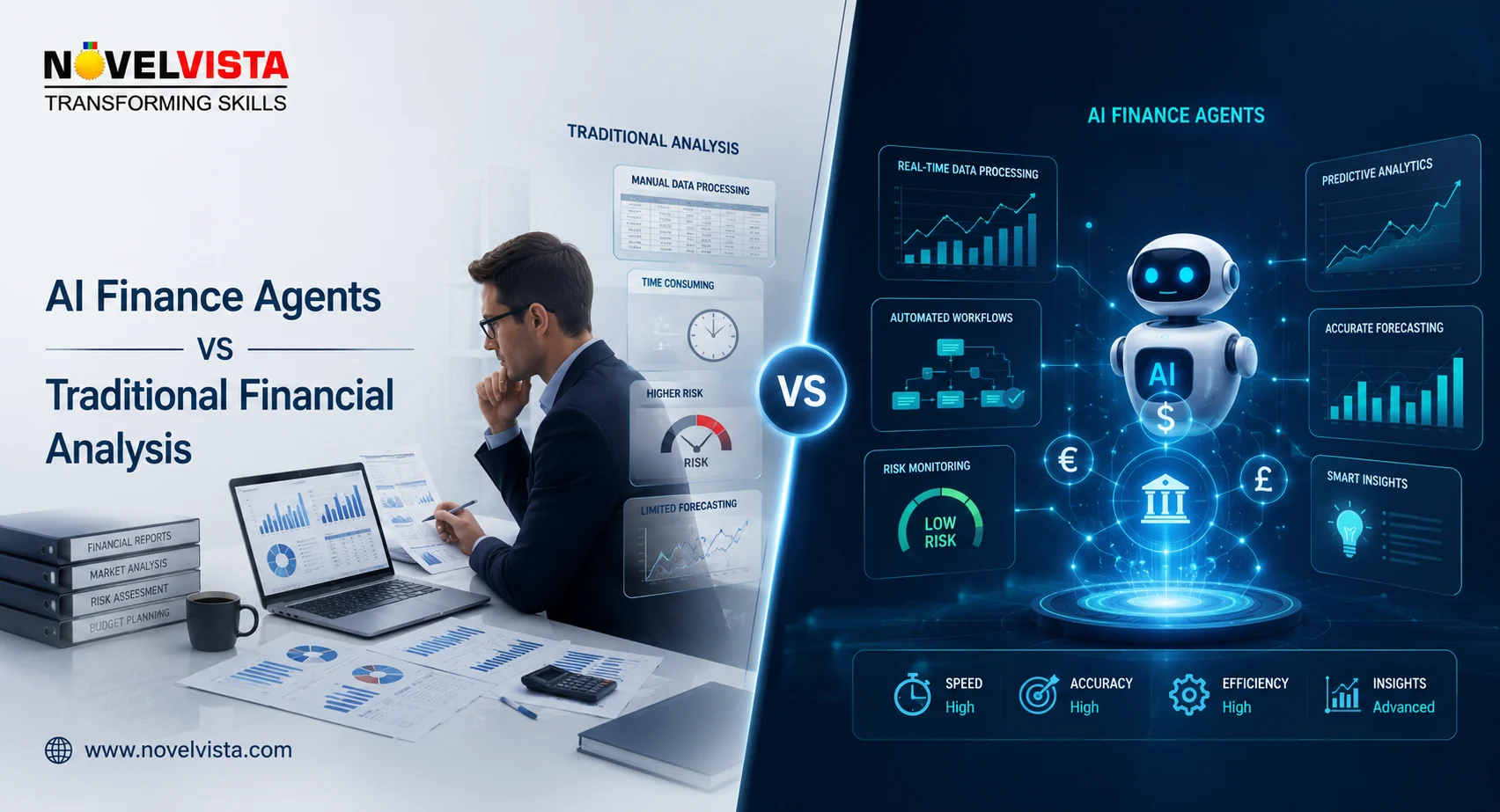
Agents are only as good as the data they ingest. If your ERP or CRM has duplicate records or missing fields, the AI will automate mistakes at scale. Check that your data pipeline cleanses entries before the agent reads them. Look for specific error logs in the agent’s documentation to see how it handles null values or mismatched formats.

Financial data requires strict adherence to regulations like GDPR or SOC2. Ensure the agent’s vendor provides clear documentation on data residency and encryption. Do not rely on vague marketing claims. Request a security whitepaper and verify that sensitive data is not used to train public models. This is a non-negotiable baseline for any finance tool.

Most failures happen at the handshake between the AI agent and your existing systems. Run a small-scale pilot with a limited dataset to test write-back capabilities. Check if the agent can handle API rate limits and error retries gracefully. If it crashes or drops transactions during a test, it will fail in production.
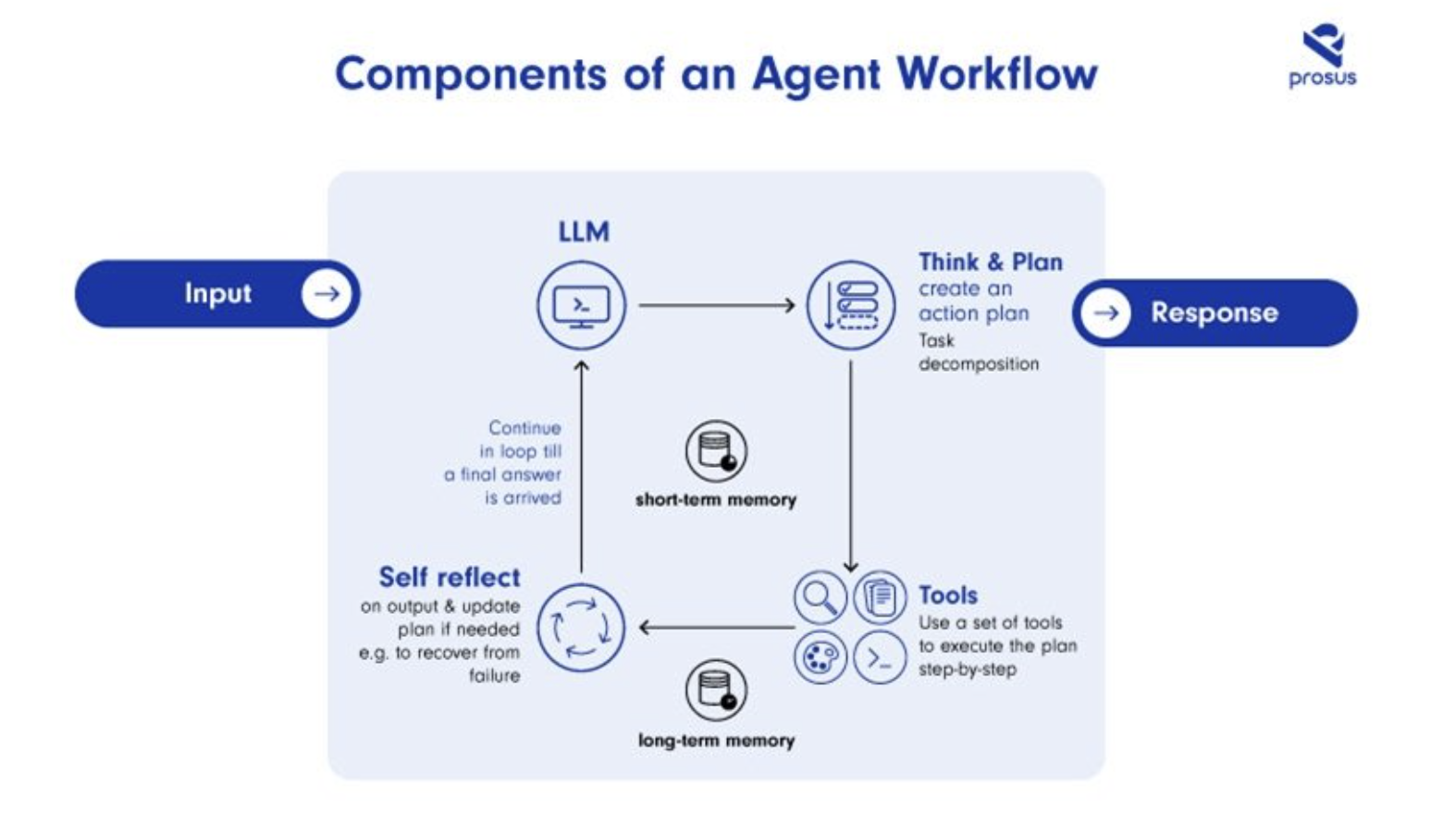
Fully autonomous agents are risky for high-value transactions. Ensure the tool offers configurable approval gates. You should be able to set thresholds where transactions above a certain amount require manual review. This hybrid approach catches edge cases while still automating the bulk of routine work.
By focusing on these four areas, you avoid the most common pitfalls. A robust agent saves time; a poorly inspected one creates technical debt. Always prioritize data hygiene and security over flashy features.
Plan for ownership costs
Buying into an AI agent for personal finance is rarely a one-time purchase. The sticker price is just the entry fee; the real cost comes from integration, maintenance, and the hidden friction of keeping the system reliable. When a cheap buy stops being cheap, it is usually because the software requires constant babysitting or fails to integrate with your existing banking infrastructure.
The Integration Tax
Many entry-level AI tools promise to "connect" to your accounts, but true automation requires robust API access. If an agent cannot pull real-time data from your bank without manual CSV uploads, you are not saving time—you are paying for a more complex data entry job. Look for agents that offer native integrations with major financial institutions. If you have to spend hours setting up webhooks or managing credentials, the hourly value of your time likely outweighs the subscription savings.
Maintenance and Surprise Fees
AI agents are not "set and forget." They require periodic review to ensure they are categorizing transactions correctly and not flagging legitimate expenses as fraud. Some providers charge extra for advanced features like tax optimization or multi-currency support, which can quickly inflate the monthly cost. Always read the fine print regarding data usage. If an agent sells anonymized spending data to third parties, the "free" or low-cost option is actually costing you privacy.
When Cheap Becomes Expensive
A low-cost agent might seem attractive, but it often lacks the security infrastructure to protect sensitive financial data. If a tool does not offer two-factor authentication, encryption, or clear liability for errors, the risk of a data breach or financial loss far exceeds the monthly savings. The most cost-effective agent is one that prevents errors before they happen, not one that charges you to fix them later.

As an Amazon Associate, we may earn from qualifying purchases.
The goal is not to find the cheapest tool, but the one that integrates seamlessly into your existing workflow. A slightly more expensive agent that requires no manual intervention will always save you more money in the long run than a free tool that demands your constant attention.
Ai finance agents 2026: what to check next
Before integrating AI agents into your financial workflows, it helps to separate the hype from the operational reality. Most finance leaders are moving past the testing phase and toward deployment, with Gartner noting that 73% of CFOs plan to implement agent orchestration within the next 18 months.
The following answers address the practical tradeoffs and implementation hurdles you will likely face.
No comments yet. Be the first to share your thoughts!