
Starting your base building journey
This guide focuses on the five most impactful habits for new players in No Man's Sky. We selected these tips by cross-referencing community consensus from veteran builders and analyzing the core mechanics that prevent early-game frustration. The goal is to help you establish a functional, scalable foundation without getting overwhelmed by complex blueprints.
TLDR
- Focus on modular, expandable layouts rather than permanent structures.
- Prioritize resource efficiency and storage before aesthetics.
- Use the build menu's symmetry tools to speed up construction.
The Selection Logic
We filtered out advanced techniques like aesthetic blending or complex redstone-like contraptions. Instead, we focused on the "cylindrical building" and "teleporter placement" strategies often cited in beginner guides. These methods solve the two biggest problems for new players: running out of building materials and poor base flow. By keeping your first base simple and functional, you set yourself up for the multi-planet expansion that defines the mid-game experience.
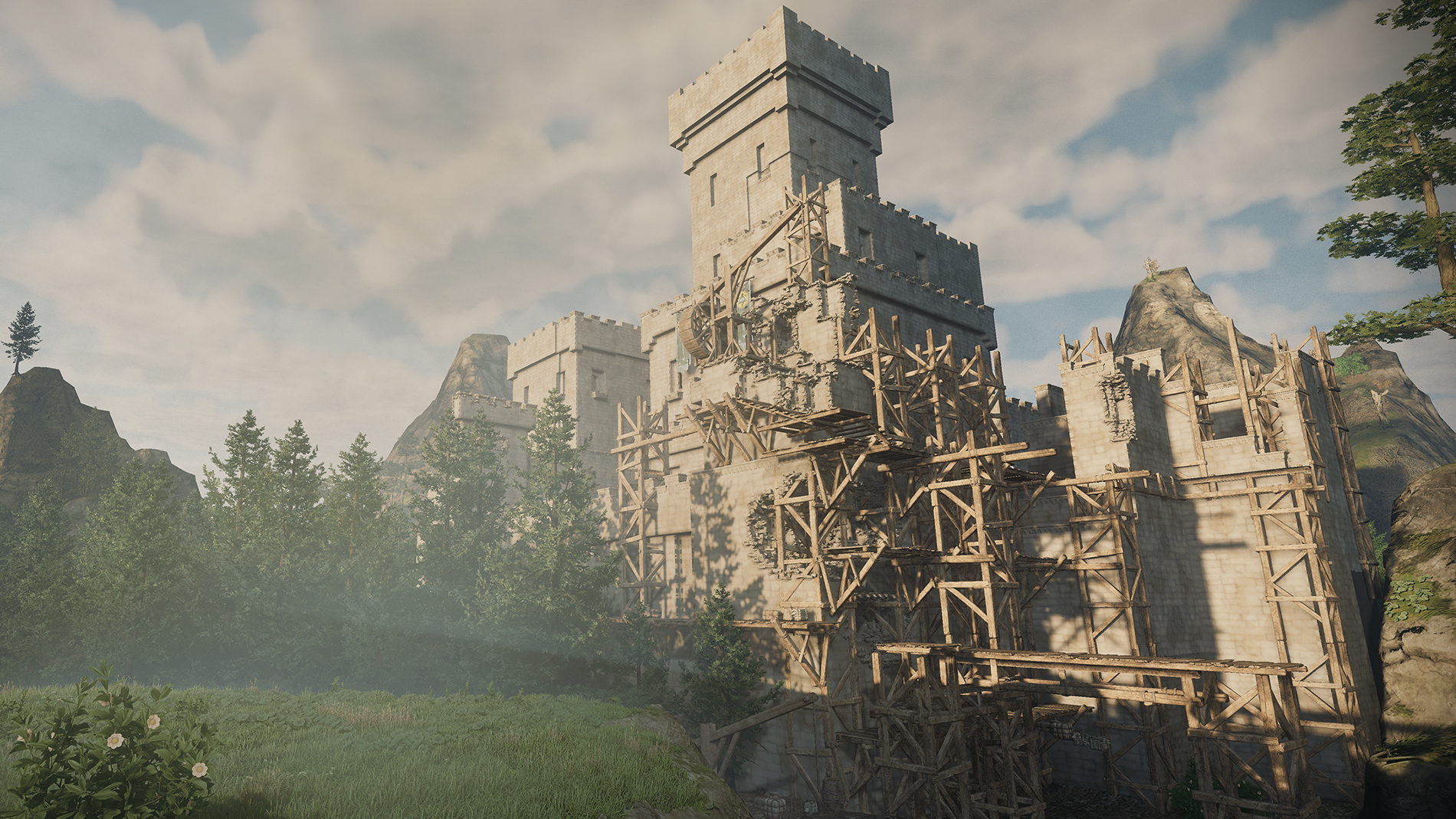
Before placing a single wall, scan your immediate surroundings. Look for areas with abundant nickel, silicon, and carbon. A flat terrain saves significant nanite costs, as building on slopes requires extra materials for foundations. Proximity to resources means less time farming and more time building.
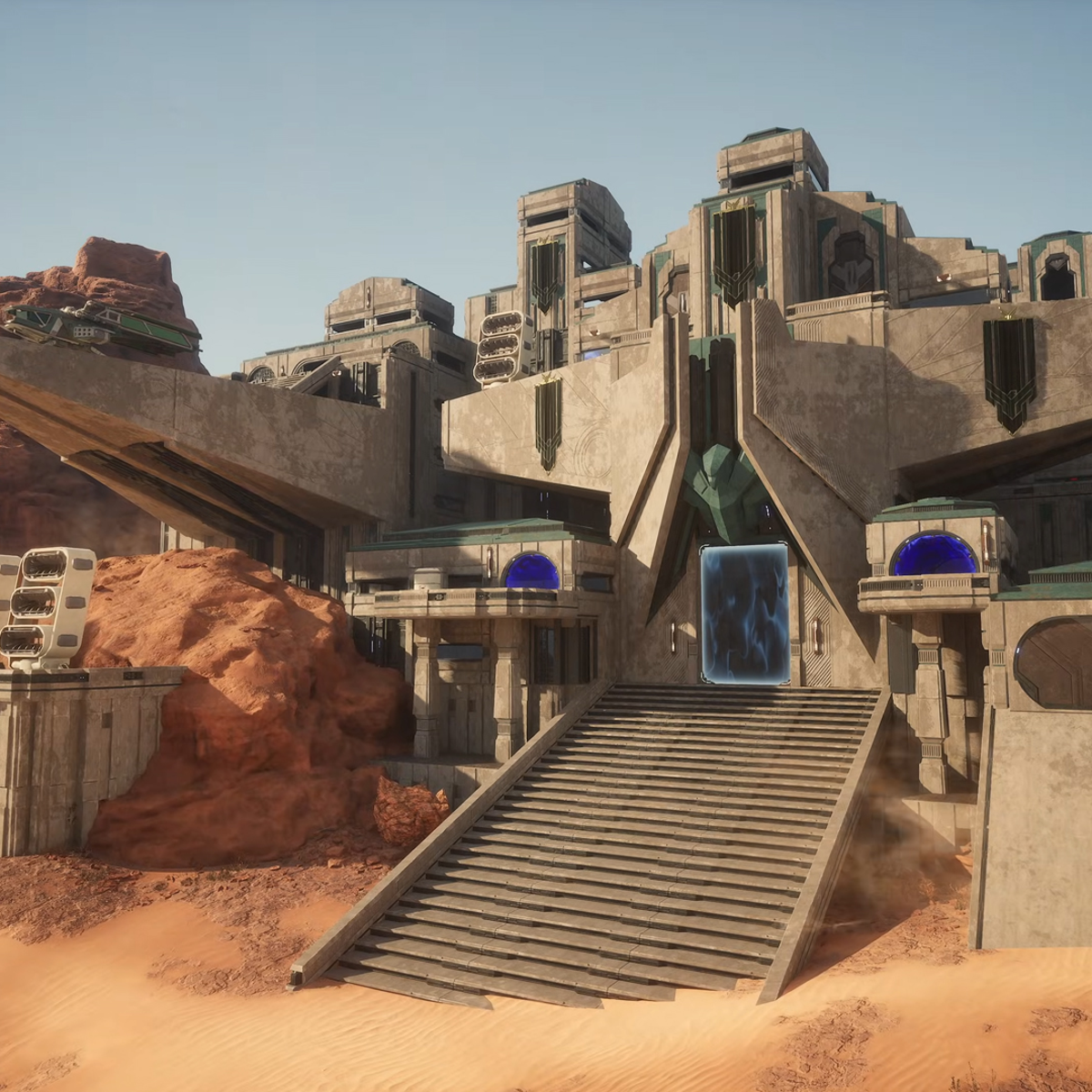
Start with a central hub, typically your teleporter, surrounded by a circular or square grid. This "modular" approach allows you to add wings or floors later without demolishing existing structures. Avoid sprawling, asymmetrical designs that are difficult to expand. Keep your initial footprint small—three to four modules are enough for a starter base.
Your first base should be a factory, not a mansion. Place your crafting stations and storage units near the entrance. This ensures you can quickly access materials for repairs or new builds. Don't worry about hiding these utilitarian elements yet; functionality comes first. You can always add decorative walls later.
The build menu offers symmetry tools. Use them to duplicate walls, floors, and ceilings instantly. This not only speeds up construction but also ensures structural consistency. Repetition is a powerful aesthetic tool in No Man's Sky; clean, repeating patterns look more intentional than haphazard placement.
Leave empty space around your core modules. Imagine where your next base will be—perhaps a mining outpost or a farming hub. Design your current base to connect to these future locations via teleporter networks. This foresave prevents the need to tear down walls when you inevitably outgrow your starter home.
5 Essential Tips for New Players
Effective base building in 2026 requires balancing immediate resource security with long-term expansion potential. These five practical tips prioritize concrete structural checks and tradeoffs to help new players establish a defensible, efficient foundation from day one.
Pick the right fit
Choosing a base design isn't about finding a single "perfect" layout. It's about matching your building style to your current playthrough goals. A base that works for a high-level raid defense will feel clunky and inefficient for a beginner trying to learn resource management. Think of your base as a tool, not a trophy. Start with a simple, functional core and expand only when you have a specific reason to.
1. Choose a Simple Shape
Complex mazes look impressive but are hard to build and maintain. Start with a cylinder or a simple square. These shapes are forgiving if you make mistakes and easy to expand later. A circular base with a central teleporter and trade terminal is a classic starting point that balances aesthetics with utility.
2. Prioritize Centralized Logistics
Your base should minimize the distance between resources and storage. Place your teleporter in the center, surrounded by essential terminals like the Galactic Trade Terminal and crafting stations. This layout ensures you aren't running across the map for every small task, saving time during the early game.
3. Plan for Defense Early
Even in the early stages, think about how enemies might approach. Don't rush your walls, but create clear compartments. Simple walls around your core structures can prevent stray enemies from reaching your most important buildings. A few well-placed turrets are more effective than a large, empty perimeter.
4. Leave Room to Grow
Build your core first, then leave a buffer zone around it. You will likely want to add more storage, decorative elements, or specialized crafting stations later. If you pack your base too tightly now, you'll spend more time demolishing and rebuilding than actually playing.
5. Match Your Playstyle
If you enjoy aesthetics, focus on symmetry and color coordination. If you're purely functional, prioritize efficiency and storage capacity. There is no right or wrong way to build, as long as the layout supports how you want to play. Your base should feel like an extension of your strategy, not a distraction from it.
-
Select a simple geometric shape for the core
-
Place the teleporter in the center for easy access
-
Add basic walls around key structures
-
Leave empty space around the perimeter for future expansion
-
Decide if your focus is defense, storage, or aesthetics
No comments yet. Be the first to share your thoughts!