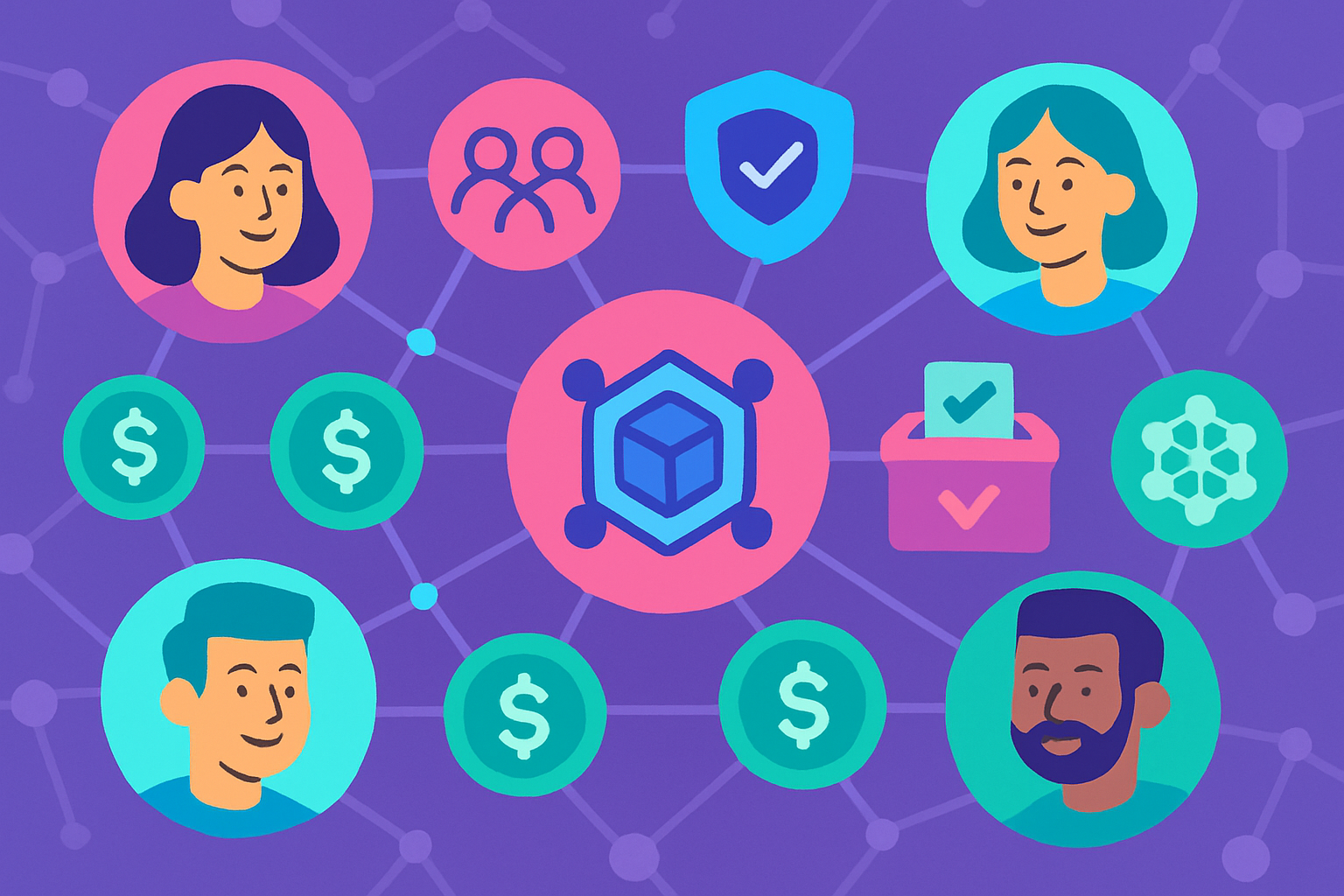
The SocialFi landscape is rapidly evolving, and the synergy between Farcaster mini-apps and the Base blockchain is at the center of this transformation. As decentralized social networks move from niche concept to mainstream adoption, the ability to embed interactive, onchain experiences directly into social feeds is redefining how users connect, transact, and engage. Farcaster’s mini-apps, built using Frames and deep links, are unlocking a new era of frictionless, viral, and composable social experiences, while Base underpins this movement with scalable, low-fee infrastructure.
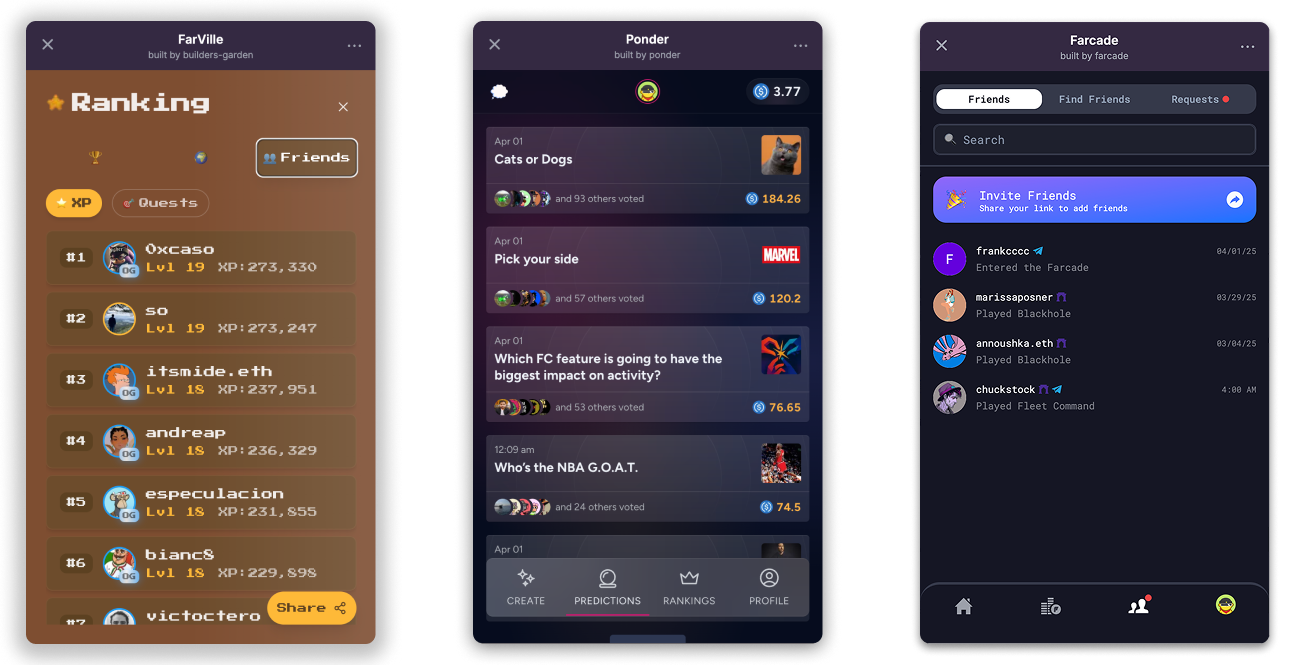
What Are Farcaster Mini-Apps? The New Standard for Onchain Social Engagement
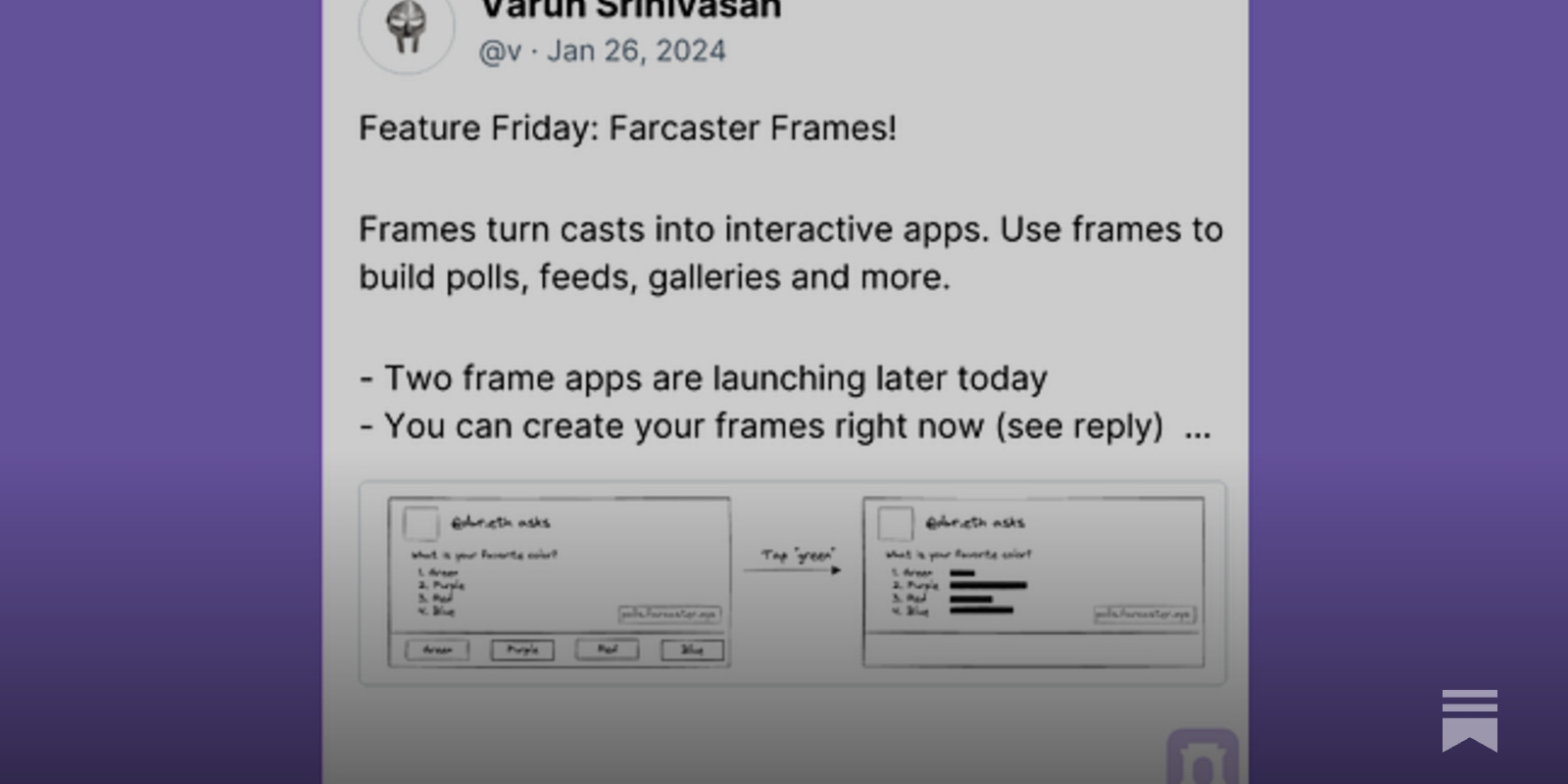
Mini-apps on Farcaster aren’t just widgets, they’re full-fledged, lightweight web applications that live directly inside your social feed. This means users can mint NFTs, play games, vote in polls, or even launch their own social tokens without ever leaving the Farcaster client. The underlying technology, Frames, enables developers to create these interactive modules that plug into the Farcaster protocol, leveraging deep links for seamless navigation.
For developers, launching a SocialFi mini-app on Base is remarkably straightforward. Using tools like npx create-onchain@latest --mini or the @farcaster/create-mini-app CLI, builders can deploy and distribute their creations to millions of Base users in minutes. This simplicity is driving a surge in experimentation and innovation across the ecosystem.
Base Blockchain: The Engine Behind Scalable SocialFi
The technical backbone for this new wave of SocialFi is Base, Coinbase’s Ethereum Layer 2 solution. By dramatically reducing transaction fees and increasing throughput, Base makes it economically viable to run complex, interactive dApps at scale. Mini-apps built on Base benefit from instant onboarding, social distribution through the Farcaster graph, and upcoming exposure to Coinbase Wallet’s user base.
This infrastructure unlocks several key advantages for both users and developers:
- Frictionless onboarding: Log in with Farcaster credentials; no seed phrases or clunky wallet setups required.
- Instant trialability: Users can try out apps instantly within their feed, no installs or redirects.
- Onchain composability: Mini-apps interact natively with other onchain protocols and assets.
- Viral distribution: Social sharing mechanics are baked into the experience, helping apps grow organically.
If you’re looking for a step-by-step breakdown of how to launch your own SocialFi app on Base using Farcaster’s developer tools, check out this detailed guide: How to Build and Launch a Farcaster Mini-App: Step-by-Step Guide for Developers.
The Developer Experience: Fast Iteration Meets Viral Growth
The combination of Farcaster mini-apps and Base’s infrastructure is lowering barriers to entry for builders. With resources like the official documentation from Farcaster News, developers can go from idea to live product in under an hour. Distribution isn’t limited by app store gatekeepers, mini-apps are discoverable directly through social feeds and featured listings inside the Base App.
This model mirrors what made platforms like WeChat mini-programs so successful in Asia but reimagined for an open, permissionless web3 environment where data ownership and interoperability are core principles. The result? A rapidly expanding universe of social dApps that are more engaging, accessible, and composable than ever before.
For users, this means the SocialFi experience is no longer fragmented. Everything from NFT minting to DAO polling and social trading can be executed natively within the same social environment, without the friction of switching apps or dealing with complex wallet integrations. The viral loop is built-in: mini-apps can be shared, remixed, and forked by anyone in the Farcaster ecosystem, fueling organic growth and rapid iteration.
How to Launch Your Own SocialFi Mini-App on Base
Launching a SocialFi app on Base leveraging Farcaster mini-apps is more accessible than ever. The process is streamlined with robust developer tooling:
Launch Your First Farcaster Mini-App on Base: Step-by-Step
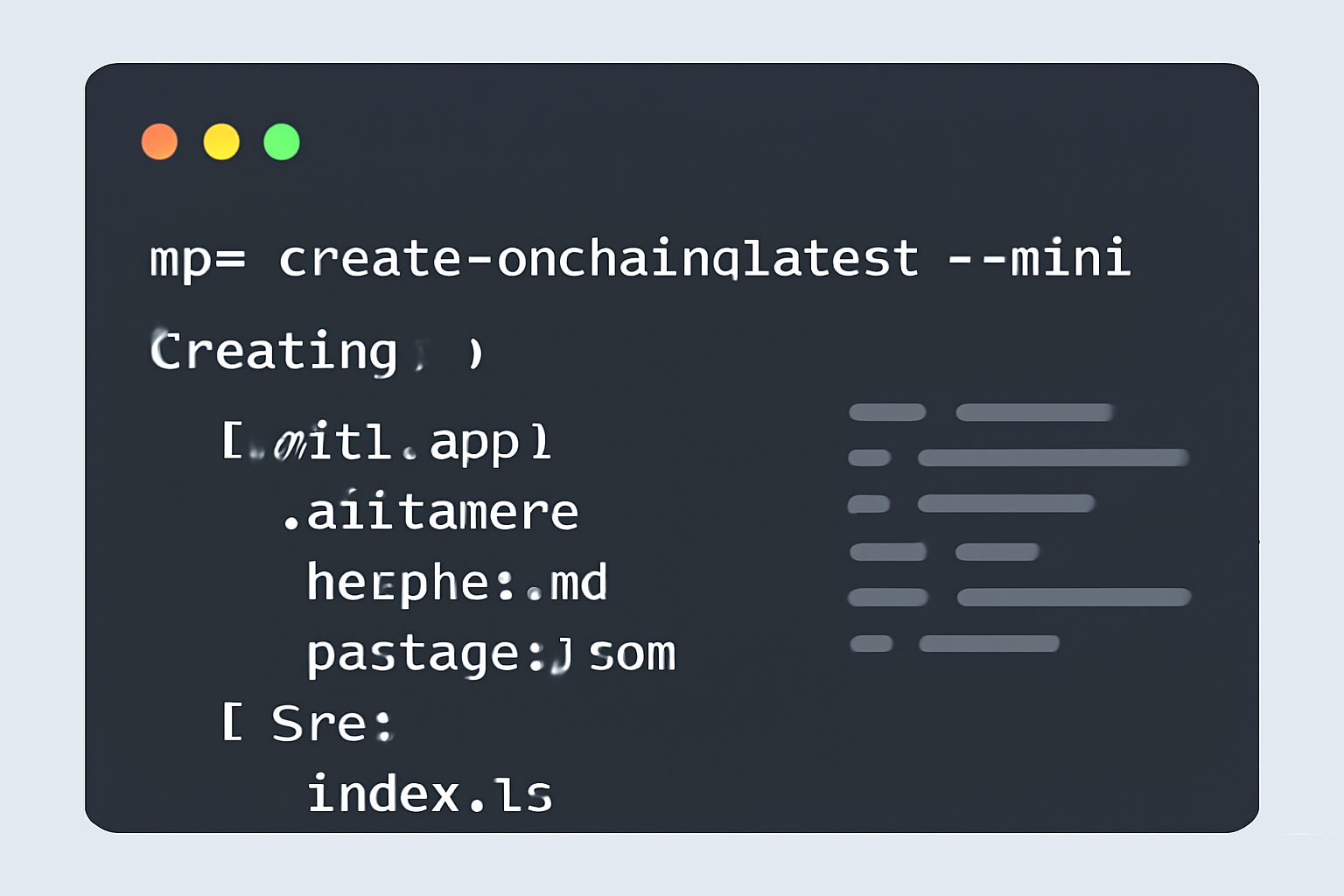
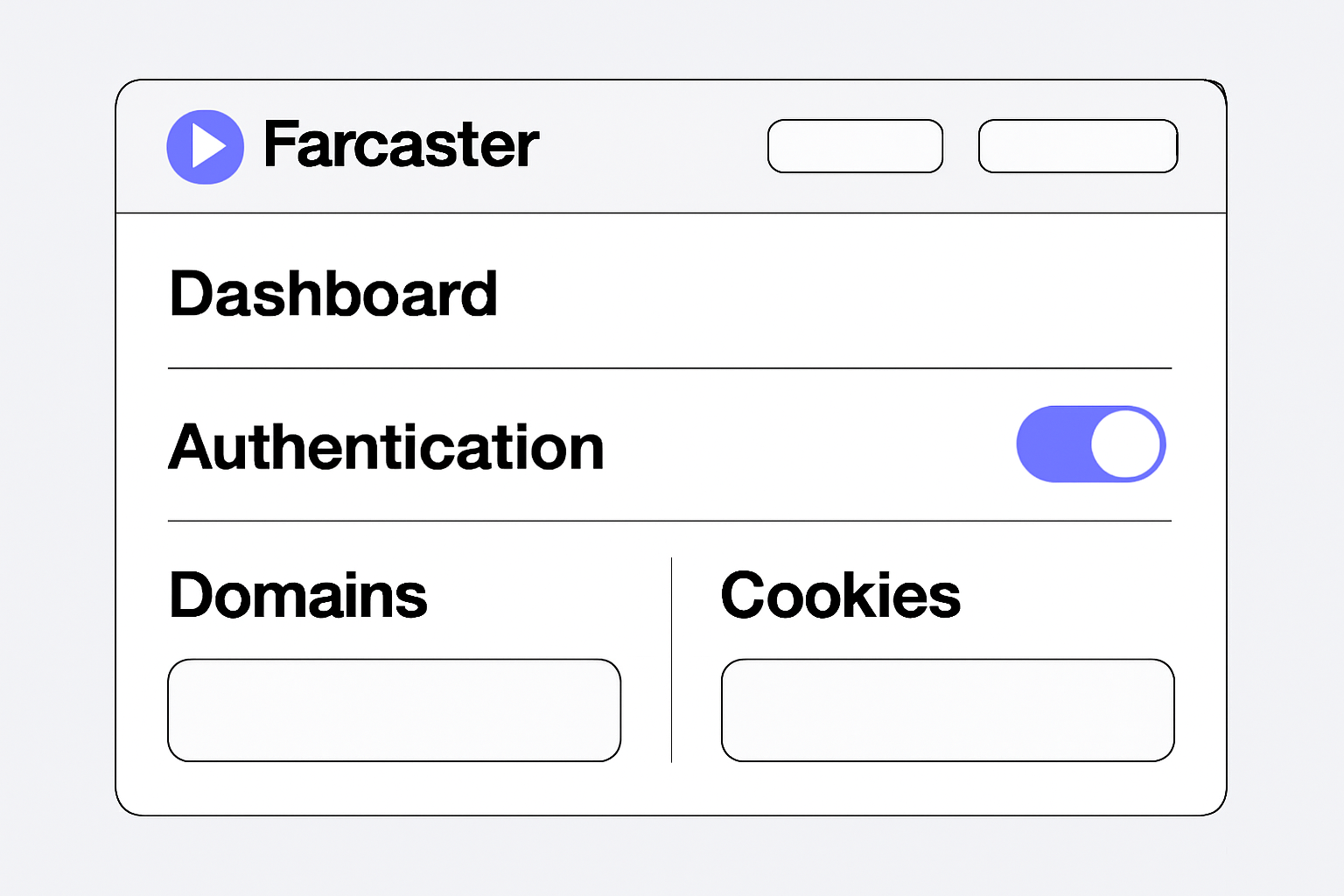
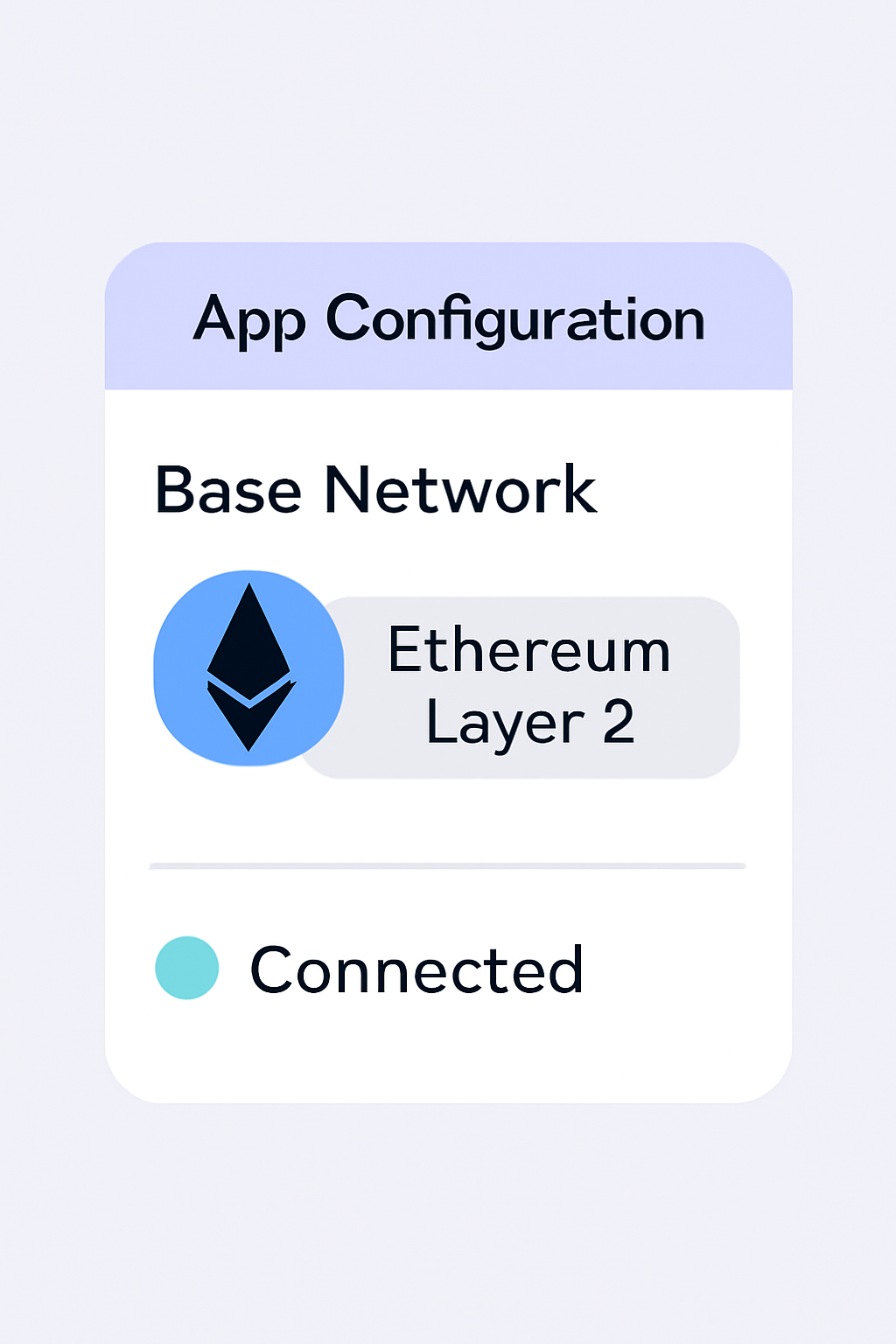
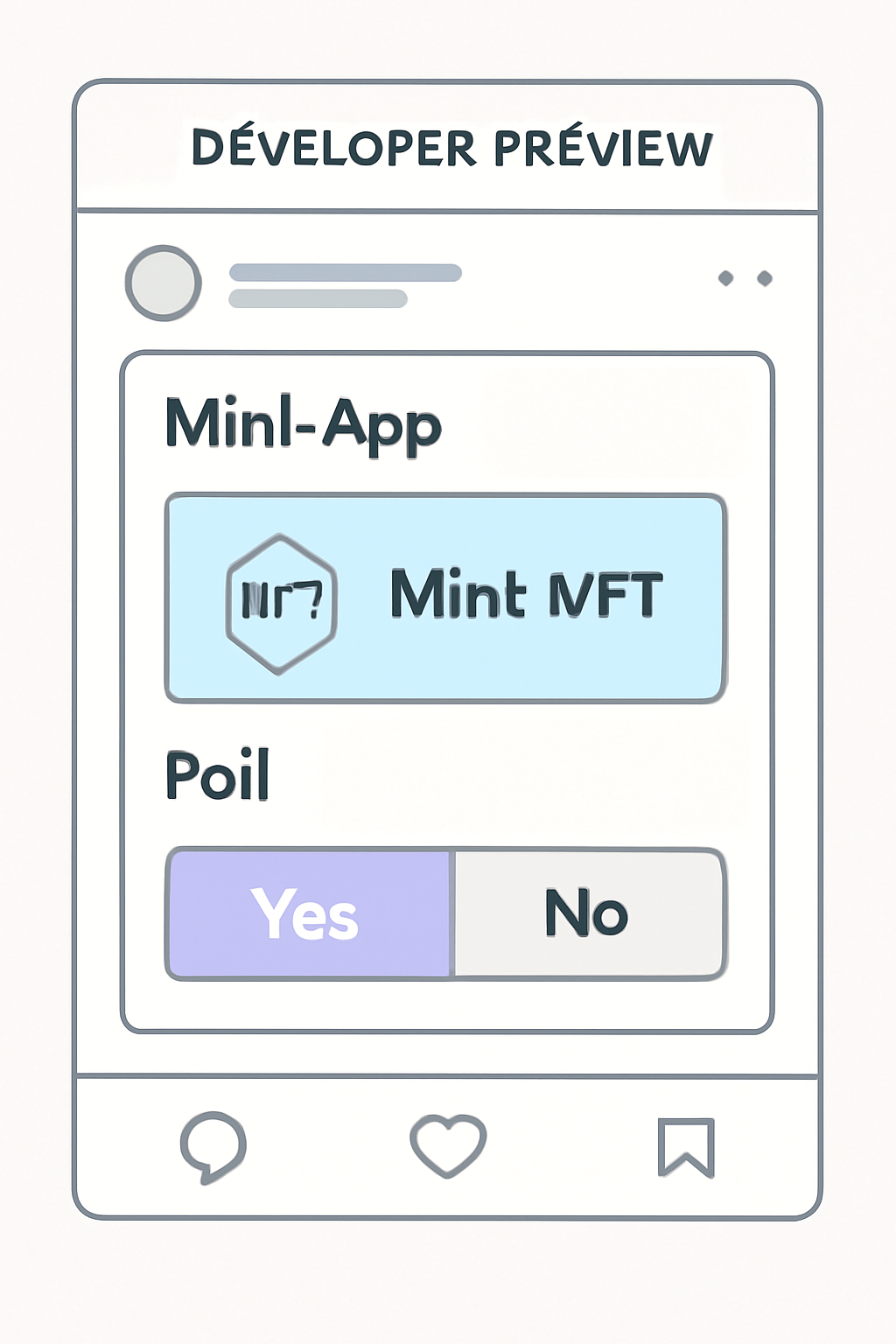
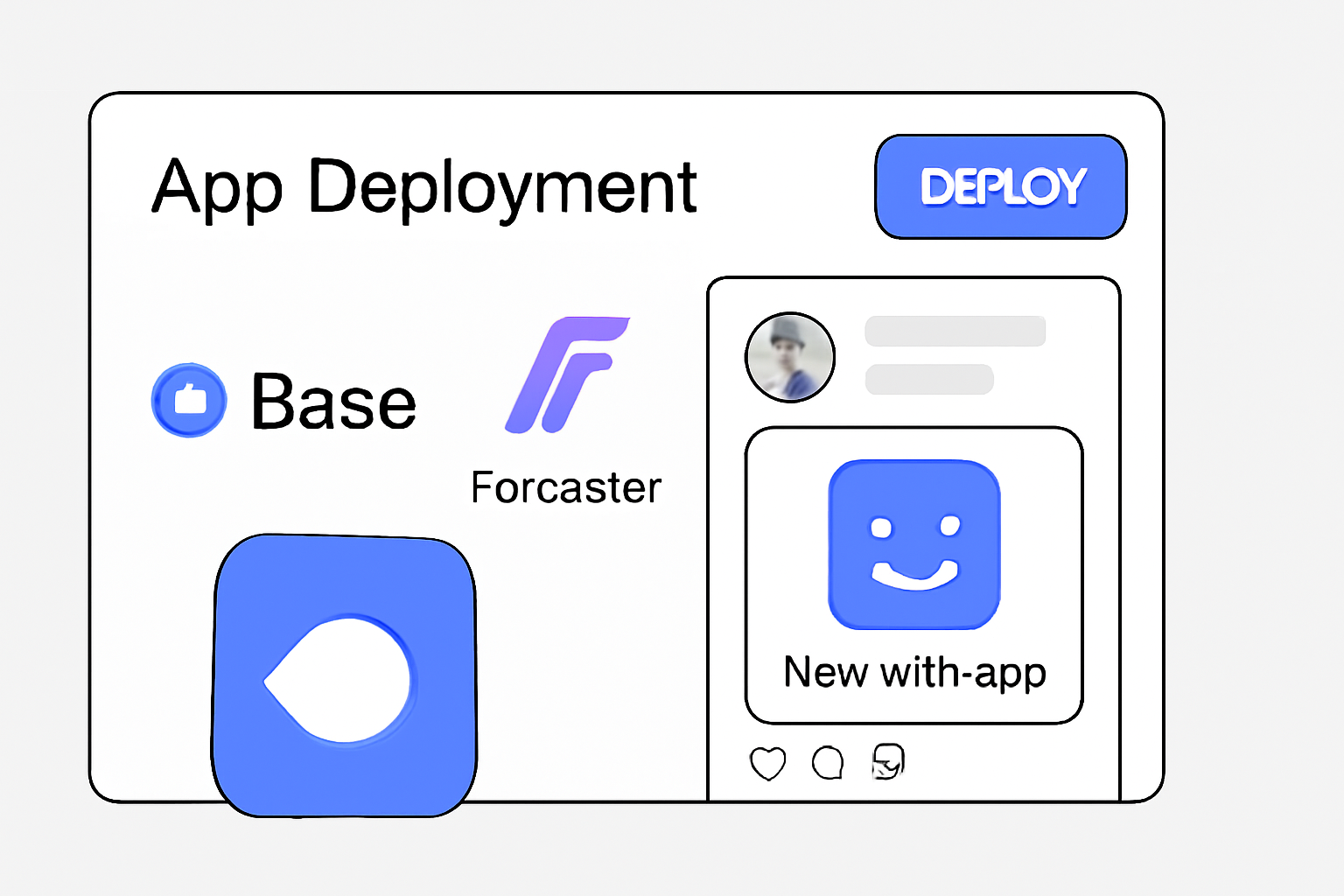
Builders can use the @farcaster/create-mini-app CLI or npx create-onchain@latest --mini for rapid prototyping. Integration with Farcaster’s authentication and Base’s wallet infrastructure ensures seamless onboarding for users. For a deeper technical dive, check out this practical walkthrough: How to Build and Launch Mini-Apps on Base Using Farcaster: A Practical Guide for Crypto Developers.
Key Use Cases: What’s Thriving in the SocialFi Mini-App Space?
The current generation of SocialFi mini-apps is already showcasing a broad range of use cases that go far beyond simple social posting. Here’s what’s gaining traction:
Top 5 Farcaster Mini-App Use Cases on Base
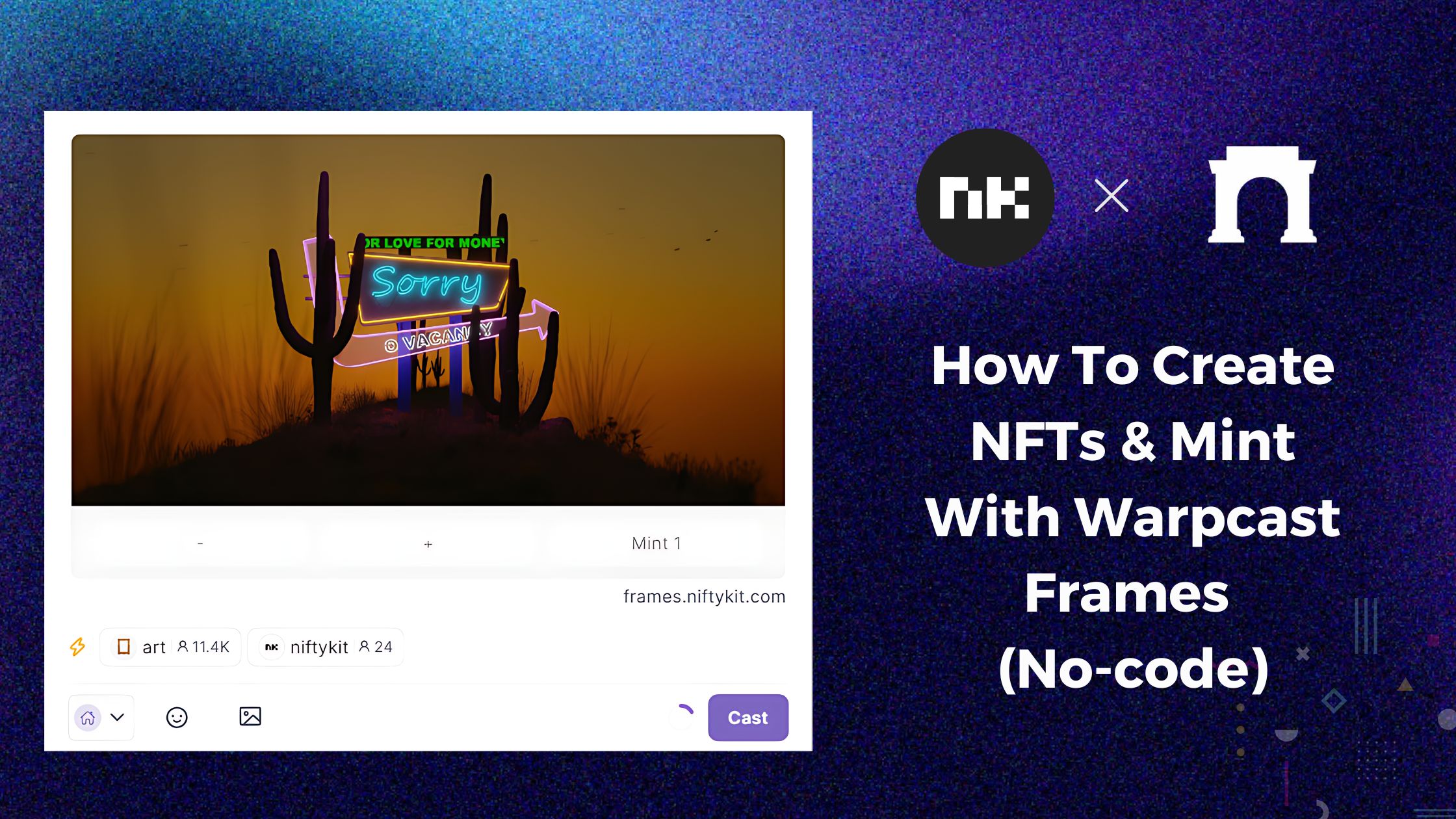
- NFT Minting: Mini apps like Warpcast Frames allow users to mint NFTs directly within their Farcaster social feed, leveraging Base’s low fees and instant settlement for seamless onchain creation and collection.
- Onchain Polls: Interactive polling mini apps, such as Pollcaster, enable users to create, vote, and view results onchain, fostering transparent and verifiable community engagement.
- Social Trading Games: Mini apps like friend.tech integrate with Farcaster and Base, letting users buy and sell social tokens or participate in trading games directly from their social feed.
- DAO Tools: Apps such as Syndicate provide DAO management features—like proposal voting and treasury tracking—embedded within Farcaster, streamlining decentralized governance on Base.
- Peer-to-Peer Tipping: Mini apps like TipLink enable users to send and receive crypto tips instantly within Farcaster posts, utilizing Base’s fast and cost-effective transactions.
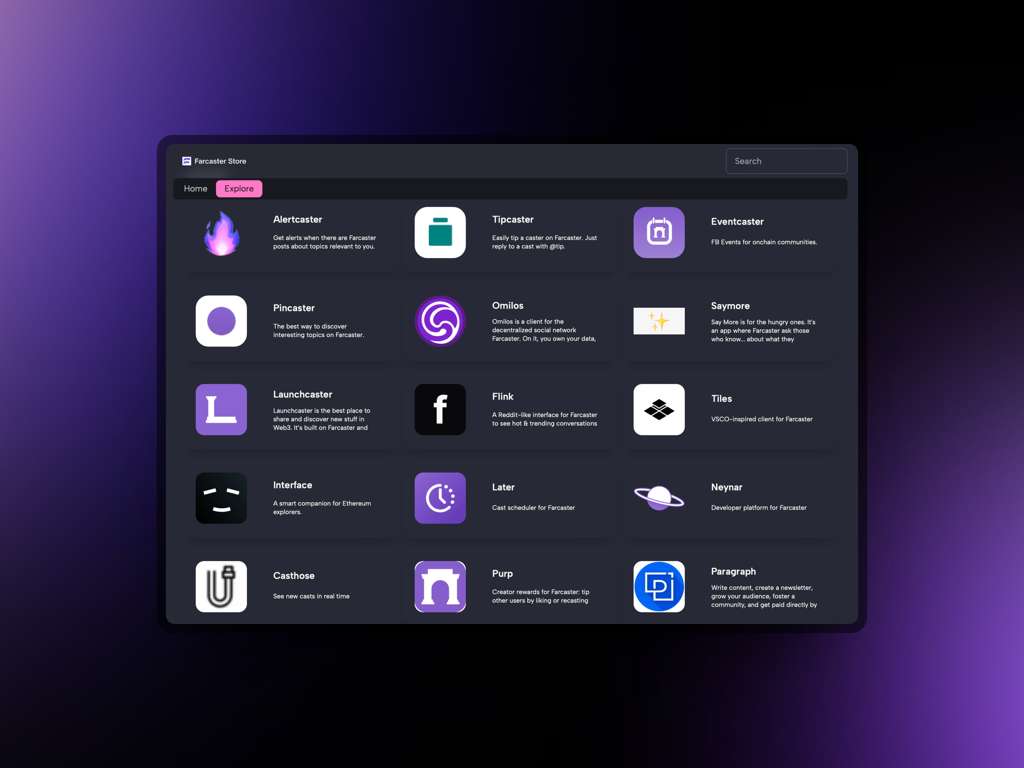
Each of these categories leverages the unique composability and viral nature of the Farcaster-Base stack. For example, onchain polls can drive real-time governance decisions within DAOs, while social trading games enable users to compete and collaborate with provable onchain results, all without leaving their feed.
Why This Matters: Data Ownership and Network Effects
Unlike legacy social platforms, Farcaster and Base empower users with true data ownership. All interactions are signed onchain, granting users portable identities and reputations that extend across dApps. This composability not only increases engagement but also unlocks new monetization paths for creators and developers.
The network effects are powerful: as more mini-apps launch and gain adoption, the Base ecosystem becomes the default hub for SocialFi innovation. Early adopters benefit from both increased visibility and first-mover advantages within the rapidly expanding Farcaster graph.
Final Thoughts: The Road Ahead for SocialFi Builders
The convergence of Farcaster mini-apps and Base’s scalable infrastructure is setting a new standard for decentralized social applications, one defined by composability, instant onboarding, and viral growth loops. Whether you’re a developer looking to launch your own project or a user eager to explore the next wave of crypto-native social experiences, now is the time to get involved.
Stay updated with the latest guides, project launches, and community insights at Socialfi Apps as this ecosystem continues to redefine what’s possible in web3 social networking.




No comments yet. Be the first to share your thoughts!