
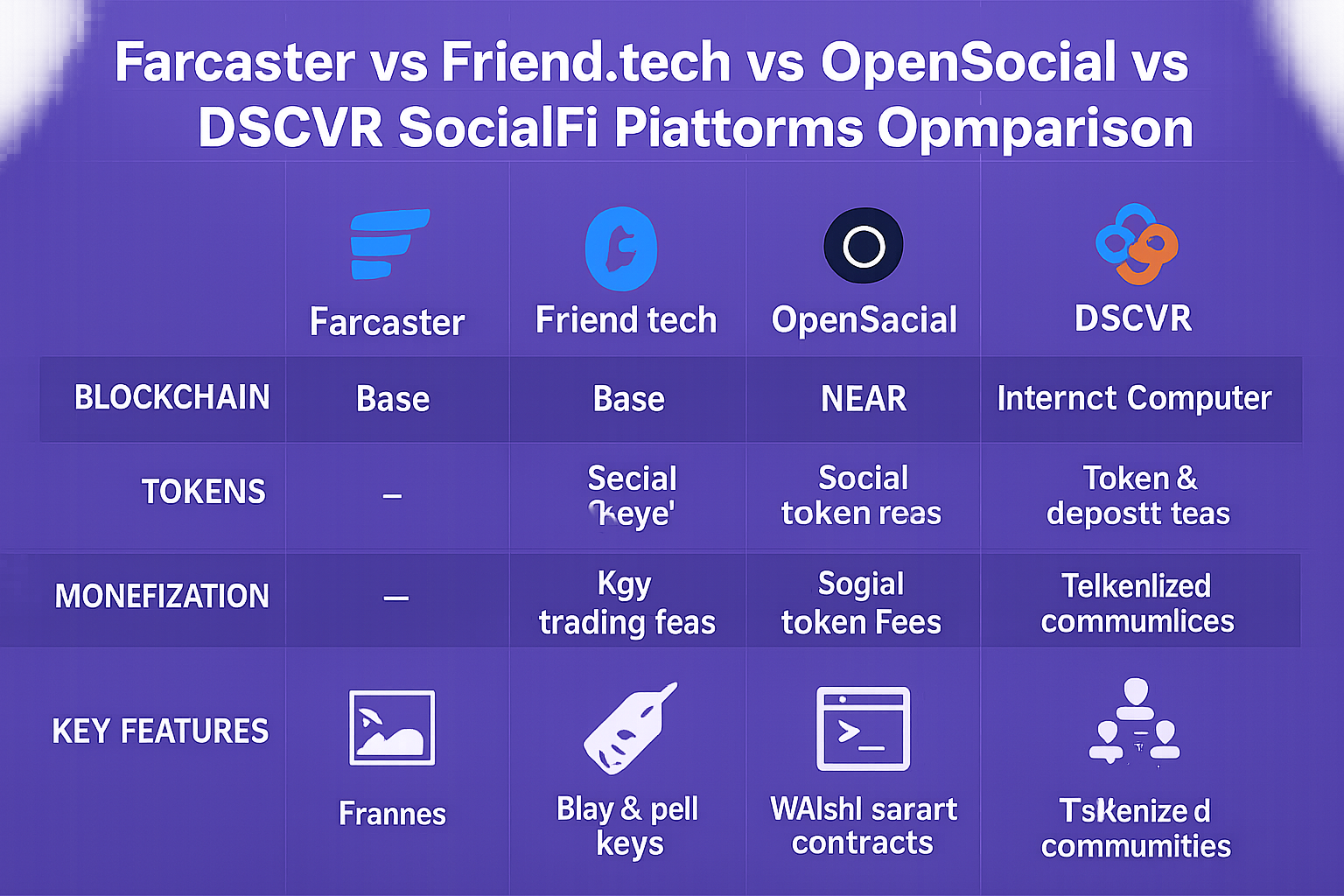
The SocialFi landscape on Base is rapidly evolving, offering crypto enthusiasts and builders a menu of decentralized social platforms that each take a distinct approach to user engagement, data ownership, and community incentives. If you’re looking to compare Farcaster with other leading Base SocialFi platforms, namely Friend. tech, OpenSocial, and DSCVR: it’s essential to understand their core differences in features, adoption, and underlying philosophies. This article provides a contextual, research-driven analysis to help you determine which platform aligns best with your goals as a user or creator in the Web3 social ecosystem.
What Sets Farcaster Apart?
Farcaster has emerged as one of the most promising decentralized social protocols on Base. Its flagship app, Warpcast, delivers an experience reminiscent of Twitter but with a crucial twist: users truly own their data and identities. Farcaster’s open protocol allows for seamless posting, following, commenting, and, thanks to its innovative ‘Frames’ feature, on-chain actions like NFT minting or DAO voting directly within posts. This integration blurs the line between social interaction and blockchain utility, making Farcaster especially appealing for power users who want frictionless access to Web3 functionality without leaving their feed.
The numbers reinforce Farcaster’s momentum: as of mid-2025, it boasts 60,000, 80,000 daily active users out of over 546,000 registered accounts and sees up to 700,000 daily posts. While these figures have fluctuated (notably dipping from a July 2024 peak), Farcaster’s stickiness remains notable compared to its competitors.
Friend. tech: Monetizing Social Capital
Friend.tech takes a different angle by gamifying social connections through tokenized “shares” of individual creators. Users buy shares in others’ profiles to unlock exclusive chat rooms or content, and those shares can be traded on secondary markets. This model has made Friend. tech particularly attractive for influencers seeking direct monetization channels and for speculative traders looking for early alpha on rising personalities.
However, this financialization comes with trade-offs: while profitability can be high for top creators (as noted by ChainCatcher), critics argue that the experience can feel transactional rather than genuinely social. Still, Friend. tech’s focus on liquidity and speculation has carved out a unique niche within the Base SocialFi ecosystem.
OpenSocial and DSCVR: Community-Driven Alternatives
OpenSocial positions itself as an open-source hub for decentralized communities, think Reddit meets Web3, with robust tools for creating public or private groups anchored by transparent governance mechanisms. It appeals especially to DAOs or interest-based collectives who want customizable forums without centralized oversight. Early reviews highlight OpenSocial’s strong moderation features but note it still lags behind Farcaster in terms of overall polish and user interface refinement (Gate.com).
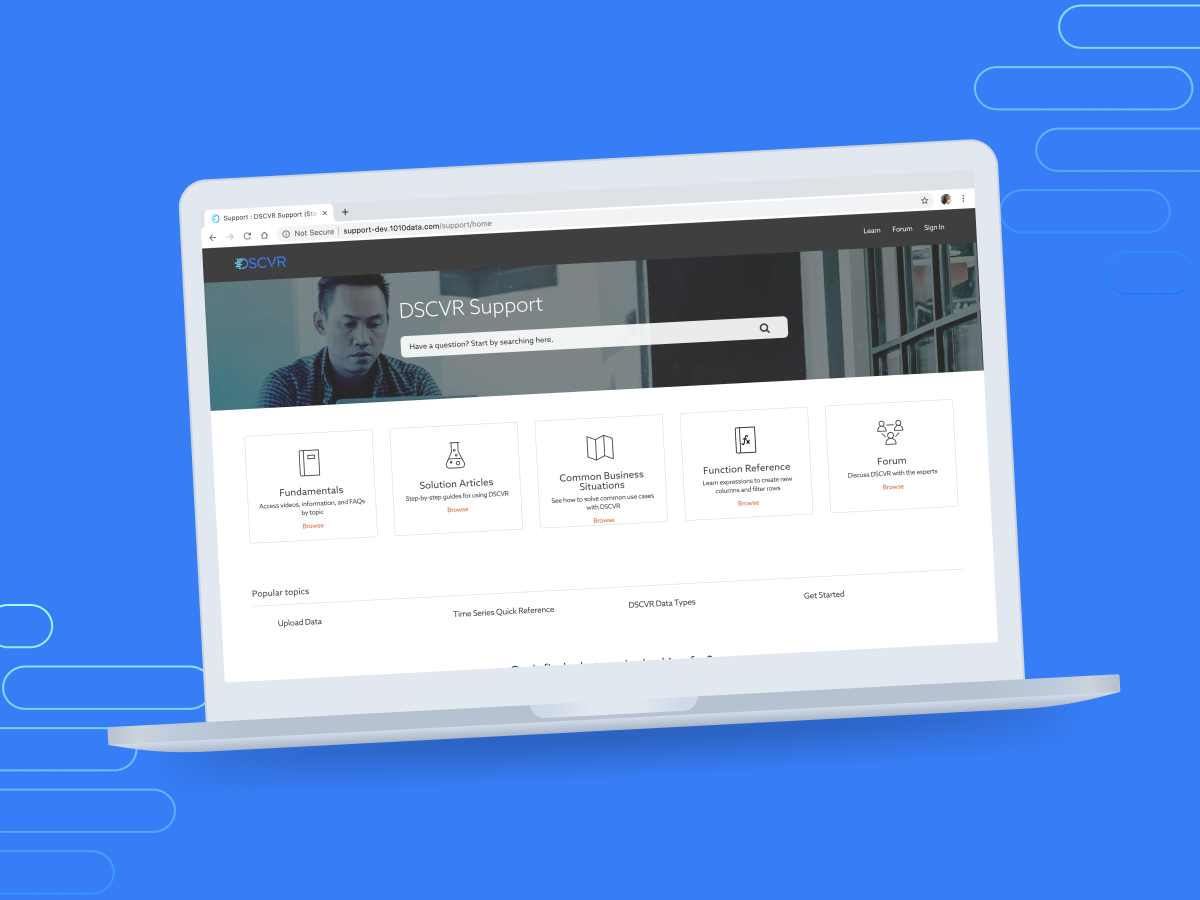
DSCVR, meanwhile, aims squarely at fostering discovery within Web3 social circles. Its onboarding flow emphasizes curation and algorithmic feeds designed to surface trending discussions across NFTs, DeFi projects, or crypto news. While DSCVR is newer than its peers in this list, and hasn’t yet matched Farcaster’s daily activity, it is steadily attracting users who value structured discovery over raw conversation volume.
Key Strengths of Leading Base SocialFi Platforms
- Farcaster: Farcaster stands out for its decentralized protocol on the Optimism Layer 2 network, giving users true control over their data and identity. Its flagship app, Warpcast, delivers a seamless, Twitter-like experience, while the innovative Frames feature enables on-chain actions—such as NFT minting and DAO participation—directly within posts. Farcaster boasts strong user engagement, with 60,000–80,000 daily active users and a vibrant developer ecosystem.
- Friend.tech: Friend.tech pioneered the tokenized social interaction model, allowing users to buy and sell access to private chat groups via 'keys.' Built on Base, it gained rapid traction for its creator monetization opportunities and viral onboarding mechanics. Friend.tech is recognized for its profitability for creators and its role in popularizing SocialFi on Base.
- OpenSocial: OpenSocial is designed to be a modular, open-source SocialFi protocol on Base, focusing on interoperability and composability. It empowers developers to build custom social applications and enables users to own and monetize their content across different dApps, fostering a collaborative and extensible ecosystem.
- DSCVR: DSCVR brings a community-centric approach to SocialFi, offering decentralized forums and content discovery tools on Base. It emphasizes user governance, allowing communities to curate content, moderate discussions, and even share in platform rewards, making it ideal for users seeking collaborative and interest-driven social spaces.
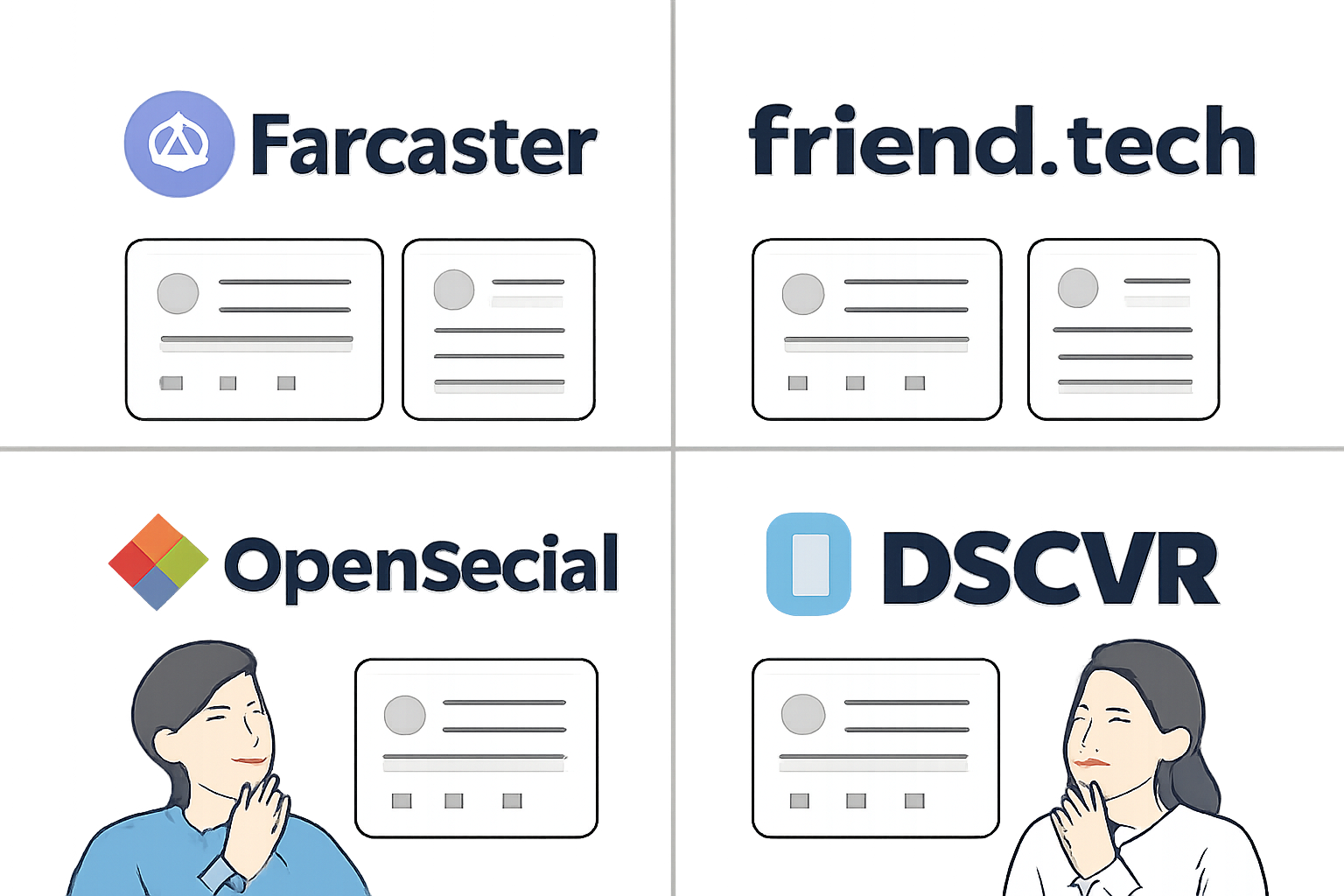
User Experience and Ecosystem Comparison
If you’re weighing which platform fits your needs best within the Base SocialFi scene:
- User Control and On-chain Actions: Farcaster leads with Frames for integrated blockchain interactions.
- Cultural Capital and Monetization: Friend. tech dominates through share-based creator economies.
- Community Governance: OpenSocial offers granular tools ideal for DAOs and group admins.
- Curation and Discovery: DSCVR stands out with algorithmic feeds tailored for content exploration.
Your choice will hinge on whether you prioritize seamless blockchain integration (Farcaster), direct monetization (Friend. tech), community-building (OpenSocial), or curated discovery (DSCVR). In the second half of this article we’ll dive deeper into use cases and practical tips for maximizing each platform’s potential in your Web3 journey.
Real-World Use Cases: Who Thrives Where?
Choosing the right Base SocialFi platform isn’t just about features, it’s about matching your goals as a user, creator, or community builder. Here’s how each contender excels in practice:
- Farcaster: Ideal for Web3-native creators, NFT projects, and DAOs who want to combine social engagement with on-chain actions. Farcaster’s Frames allow you to mint NFTs, participate in token-gated polls, or launch DAO proposals directly from your feed. This makes it a hub for communities that want to blend conversation and blockchain activity without friction.
- Friend. tech: Best suited for influencers, traders, and early adopters looking to monetize social capital. If you have a following or want to speculate on emerging personalities, Friend. tech’s share-based model provides direct financial upside, albeit with a more transactional social dynamic.
- OpenSocial: Perfect for groups and DAOs seeking customizable forums with transparent governance. If your priority is building structured communities with robust moderation and voting tools (think crypto-native Reddit), OpenSocial delivers flexibility at the group level.
- DSCVR: Tailored for users who value discovery and curated feeds over raw volume. DSCVR’s algorithmic approach surfaces trending crypto topics and projects, making it an excellent entry point for those new to Web3 social or hunting for quality discussions.
Adoption Trends and User Insights
The current data tells a nuanced story about adoption and user retention across these platforms:
| Platform | Daily Active Users (mid-2025) | Main Strength |
|---|---|---|
| Farcaster | 60,000, 80,000 | On-chain actions via Frames; strong user stickiness |
| Friend. tech | N/A (fluctuates by cycle) | Share-based monetization; influencer-driven growth |
| OpenSocial | N/A (smaller but growing) | Community tools; open governance |
| DSCVR | N/A (emerging) | Curation; trend discovery in Web3 topics |
The numbers highlight Farcaster’s relative scale but also underscore that each platform serves a different segment of the SocialFi spectrum. Friend. tech’s activity is cyclical, often surging during market hype, while OpenSocial and DSCVR are steadily building grassroots traction among niche communities.
Tips for Getting Started on Each Platform
Onboard & Maximize Your Impact on Top Base SocialFi Platforms


If you’re new to Base SocialFi or considering switching platforms:
- Dive into Farcaster’s Frames documentation if you want seamless blockchain interaction within your social posts.
- If monetization is your goal, study trending profiles on Friend. tech before buying shares, early research pays off as liquidity can be volatile.
- Create or join interest-based groups on OpenSocial if you value governance and moderation controls in your online communities.
- Tune into DSCVR’s trending feeds daily for curated insights across NFTs, DeFi projects, and emerging trends in crypto culture.
The Bottom Line: Context Is Everything in Base SocialFi
No single platform dominates every dimension of the Base SocialFi landscape. Your optimal choice depends on whether you prioritize frictionless blockchain utility (Farcaster), direct creator monetization (Friend. tech), collaborative community building (OpenSocial), or curated discovery (DSCVR). As always in crypto, and especially in rapidly evolving ecosystems like SocialFi, your context as a user is everything. Stay nimble, experiment across platforms when possible, and keep an eye on adoption trends as this space matures through 2025.



No comments yet. Be the first to share your thoughts!