
Start with a mindful inventory
Sustainable living in 2026 begins with a simple, often overlooked step: knowing what you already own. Before purchasing new items for your minimalist home, conduct a thorough inventory of your current possessions. This process, often called "base living," establishes a foundation of intentionality rather than deprivation. By auditing your existing resources, you prevent overconsumption and identify gaps that truly need filling.
This approach shifts the focus from acquiring more to utilizing what is already at hand. It forces a realistic assessment of your lifestyle needs versus your actual habits. You might discover that you have more kitchenware, clothing, or decor than you use regularly. This awareness is the first step toward reducing waste and making more conscious purchasing decisions in the future.
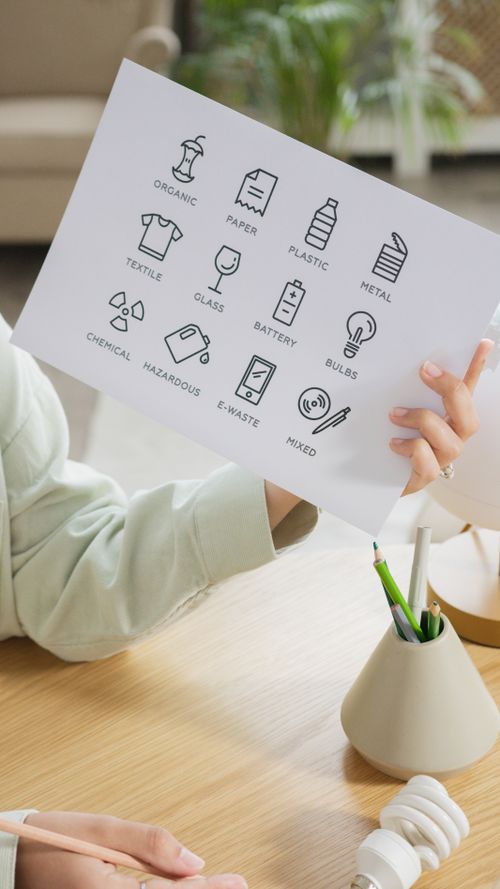
A mindful inventory also helps you appreciate the longevity of your current items. Instead of discarding functional goods for trendy alternatives, you extend their lifecycle. This practice aligns with the core principles of sustainable living 2026, emphasizing resource efficiency and reduced environmental impact. It is a practical, low-cost strategy that yields significant long-term benefits for both your home and your budget.
5 Sustainable Living 2026 Habits for a Minimalist Home
Adopting sustainable living in 2026 requires moving beyond vague intentions to implement specific, high-impact habits that align with a minimalist home. These five practices prioritize resource efficiency and intentional consumption, offering a clear path to reducing waste without sacrificing comfort or style.
-

Adopt modular furniture for long-term adaptability
Modular furniture transforms static spaces into dynamic environments that evolve with your needs. By selecting interchangeable components, you reduce the frequency of full replacements, directly supporting sustainable living 2026 goals. This approach minimizes waste while maximizing utility, ensuring each piece serves multiple functions over decades rather than seasons. The result is a resilient home that adapts without demanding constant consumption. -

Install smart energy monitoring systems
Smart energy monitoring systems provide real-time visibility into household consumption, empowering precise adjustments. These devices identify inefficient appliances and peak usage times, allowing you to optimize electricity use without sacrificing comfort. Integrating this technology is a cornerstone of sustainable living 2026, turning abstract data into actionable savings. You gain control over your carbon footprint through informed, immediate decisions rather than vague intentions. -

Choose natural fiber textiles over synthetics
Natural fiber textiles, such as organic cotton, linen, and wool, offer superior breathability and biodegradability. Unlike synthetic alternatives derived from petroleum, these materials decompose naturally, reducing landfill burden. Selecting natural fibers aligns with sustainable living 2026 by prioritizing materials that return to the earth safely. This choice also enhances indoor air quality, creating a healthier environment for you and your family while maintaining a minimalist aesthetic. -

Implement a zero-waste kitchen routine
A zero-waste kitchen routine eliminates single-use plastics through strategic planning and reusable alternatives. By embracing bulk buying, composting scraps, and utilizing glass containers, you drastically reduce household trash. This systematic approach defines sustainable living 2026, turning daily meal preparation into an act of environmental stewardship. The result is a cleaner, more organized space that supports both health and ecological responsibility through consistent, mindful habits. -

Repair electronics instead of replacing them
Repairing electronics extends device lifespans, significantly curbing the surge of electronic waste. Learning basic repair skills or utilizing local repair cafes reduces demand for new manufacturing. This practice is essential for sustainable living 2026, as it challenges the disposable culture prevalent in modern tech markets. By maintaining existing devices, you conserve resources and save money, proving that functionality does not require constant replacement.
Choose energy-efficient appliances
Upgrading to high-efficiency appliances is a central habit for sustainable living 2026. These tools reduce long-term costs and energy waste without requiring lifestyle changes. Modern models use advanced compressors and insulation to cut utility bills significantly.
Replacing old units with Energy Star-rated alternatives lowers your household’s carbon footprint. This shift supports a minimalist home by removing the need for bulky, inefficient machinery. The result is a cleaner, quieter space that operates on less power.
The table below compares the annual energy usage and estimated cost savings of standard versus high-efficiency models for a typical household.
| Appliance | Standard Annual kWh | Efficient Annual kWh | Est. Annual Savings |
|---|---|---|---|
| Refrigerator | 700 | 450 | $60 |
| Washing Machine | 120 | 80 | $25 |
| Dishwasher | 300 | 220 | $30 |
| Dryer | 600 | 400 | $50 |
Compost kitchen scraps at home
Turning food waste into soil amendment is a practical step for sustainable living in 2026. Composting reduces the volume of trash sent to landfills and creates nutrient-rich material for houseplants or garden beds. You do not need a large yard or specialized equipment to begin.
Choose a bin that fits your space. For apartments, a small countertop pail with a charcoal filter keeps odors low. Outdoor setups work best with a ventilated plastic or wooden bin placed on bare soil to allow drainage and worm access.
Collect fruit peels, vegetable trimmings, coffee grounds, and eggshells. These are "green" materials high in nitrogen. Avoid meat, dairy, oily foods, and pet waste, as these attract pests and slow the decomposition process.

Balance your wet food scraps with "brown" materials like dried leaves, shredded paper, or cardboard. A general rule is two parts browns to one part greens. This mixture provides carbon and ensures proper aeration within the pile.
Stir the contents weekly to introduce oxygen, which speeds up breakdown. In three to six months, the material will turn into dark, crumbly compost ready for use in soil.
Adopt a plant-forward diet
Reducing meat consumption and prioritizing seasonal produce are foundational practices for sustainable living 2026. This shift aligns directly with minimalist goals by simplifying grocery lists, reducing food waste, and lowering the environmental footprint of your household.
Start by focusing on plant-based meals rather than strict veganism. Incorporate more vegetables, legumes, and whole grains into your daily routine. Buy local and seasonal produce to ensure freshness and support regional agriculture. This approach reduces the carbon emissions associated with long-distance food transport.
A practical step is to designate specific days for plant-forward meals. This method makes the transition manageable and reduces decision fatigue. As you adopt these habits, you will notice a clearer connection between your food choices and your overall sustainability impact.

Track your progress with a checklist
Consistency matters more than perfection when building a minimalist home. A structured checklist helps you implement sustainable living 2026 habits without feeling overwhelmed. This printable guide breaks the five core habits into manageable weekly tasks.
No comments yet. Be the first to share your thoughts!