

Read the palette first
Before you start unplugging, you need to know what kind of digital detox you are attempting. A digital detox can improve your mental health and well-being, but the approach changes depending on whether you are seeking a quick reset or a long-term habit shift.
The 2026 landscape favors an "analog-first" lifestyle that blends practical screen-time limits with cognitive behavioral tools for notification anxiety. You are not trying to delete your life; you are trying to rewire your focus. Start by identifying your primary trigger. Is it doom-scrolling before bed, or checking email during work hours? Pinpointing the specific friction point allows you to set realistic boundaries rather than imposing a blanket ban that will likely fail.
Next, decide on your duration and scope. A three-day phone-free weekend offers a sharp mental break, while a 7-day digital detox requires more structural support. If you are aiming for a 14-day plan to rewire focus, you will need to prepare analog alternatives for every digital habit you plan to break. Without these replacements, the void left by your devices will feel empty, not peaceful. Write down your plan, including which apps you will disable and what you will do instead, before you turn anything off.
Build the outfit
An analog-first lifestyle isn't about throwing your smartphone into the ocean. It is about curating a physical setup that reduces friction for real-world activities while making digital distraction slightly more annoying. The goal is to build a "digital detox" routine that feels sustainable, not punitive.
Start by defining your "analog anchor." This is the one physical activity you want to prioritize when you unplug. For many, it is reading, hiking, or cooking. Once you choose your anchor, remove the digital barriers. Put your phone in a drawer in another room during these hours. Use a physical alarm clock instead of your phone to avoid the "just one more scroll" trap before bed. This small physical separation creates the mental space needed to engage with the analog world.
Next, outfit your environment with tactile tools. Replace digital note-taking with a simple notebook and pen. If you track habits or goals, use a paper planner. The physical act of writing slows you down and increases retention. Swap streaming services for a physical book or a vinyl record player. These objects demand presence. They do not have infinite scroll or autoplay features. By surrounding yourself with analog alternatives, you make the "analog-first" choice the path of least resistance.
Finally, set clear boundaries for remaining digital tools. You likely still need your phone for essential communication. Keep it on grayscale mode to reduce its visual appeal. Turn off all non-human notifications. If someone needs to reach you, let them call. This forces you to check your device intentionally rather than reactively. The result is a lifestyle where technology serves you, rather than dictating your attention.
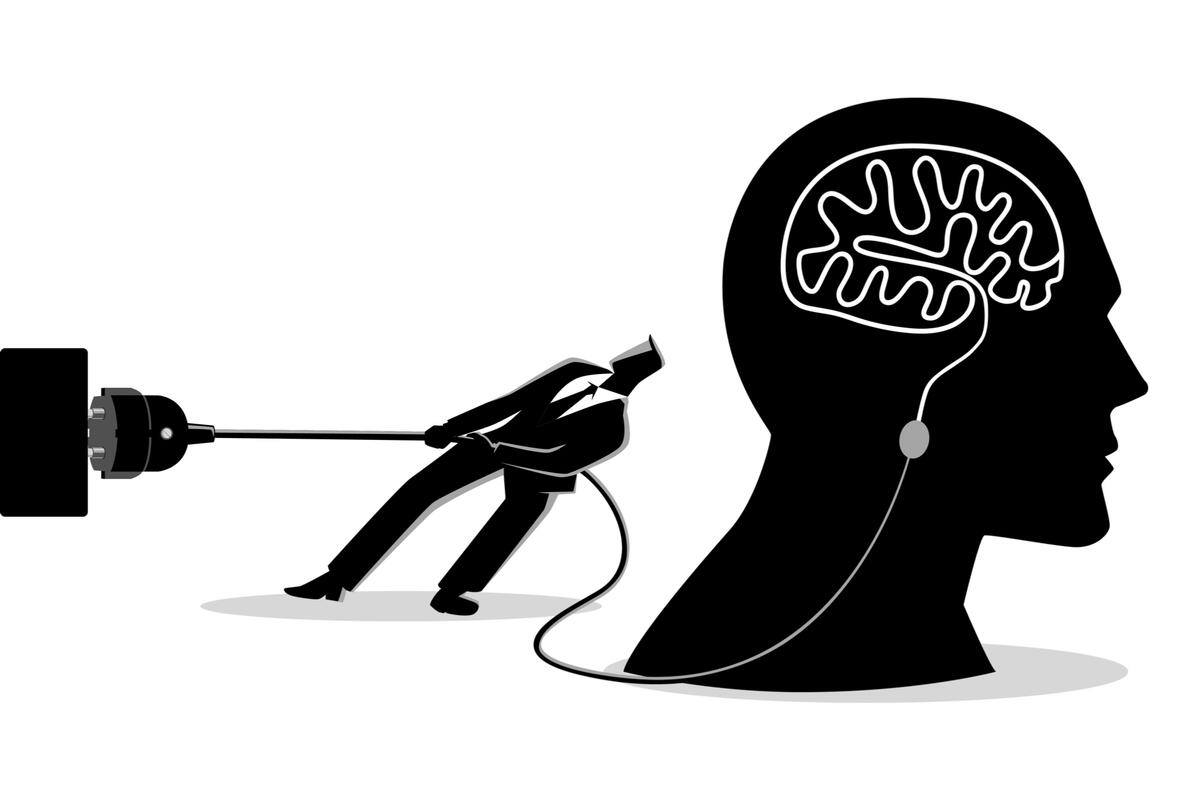
Choose one physical activity to prioritize, such as reading, hiking, or cooking. This becomes your primary reason for unplugging.

Put your phone in a drawer in another room. Use a physical alarm clock to avoid morning scrolling.

Replace digital note-taking with a notebook. Use a paper planner and physical media like books or vinyl records.

Turn off non-human notifications. Keep your phone on grayscale to reduce its visual pull.
-
Choose one analog anchor activity
-
Remove phone from immediate workspace
-
Switch to physical alarm clock
-
Replace digital notes with paper notebook
-
Turn off non-essential notifications
Mistakes that flatten the colors
The easiest mistake with Why is the Year of the 'Analog-First' Lifestyle is comparing options on the most visible detail while ignoring the day-to-day constraint. A choice can look strong on paper and still fail because it is too hard to maintain, too expensive to repeat, or awkward in the actual setting. Use the same checklist for every option: fit, cost, durability, timing, upkeep, and fallback plan. That keeps the comparison practical instead of drifting into preference alone.
The simplest way to use this section is to write down the real constraint first, compare each option against it, and choose the path that still works outside ideal conditions.
No comments yet. Be the first to share your thoughts!