The 2026 hybrid reality
Hybrid work has moved past the emergency phase of the pandemic and settled into a structured norm. It is no longer a temporary compromise but a permanent fixture of the modern workplace. According to Gallup’s May 2026 poll, 52% of U.S. remote-capable employees now work in a hybrid environment, while 26% are exclusively remote and 22% work on-site full-time. This distribution shows that flexibility is the default expectation for knowledge workers.
This shift requires organizations to rethink how they allocate resources and manage teams. The hybrid model balances the need for in-person collaboration with the flexibility of remote work. Companies are adapting their policies to support this new reality, focusing on outcomes rather than hours logged in an office. The goal is to create a work environment that is both productive and sustainable for employees.
The dominance of hybrid work suggests that rigid office mandates are losing ground. Employees value the autonomy to choose where they work most effectively. This trend is likely to continue as technology improves and remote tools become more sophisticated. Organizations that fail to adapt risk losing talent to competitors who offer more flexibility.
Essential remote work productivity tools
Choosing the right software stack is the difference between a hybrid team that stays connected and one that drifts apart. The goal is not to add more platforms, but to select tools that reduce friction in communication, project management, and virtual collaboration. Below are the core categories and specific products that define the 2026 hybrid workspace.
Communication and Real-Time Collaboration
Clear communication requires more than just video calls. Teams need integrated platforms that handle instant messaging, video conferencing, and document co-authoring without forcing users to switch tabs constantly. Microsoft Teams and Slack remain the standard for enterprise communication, offering deep integrations with other business apps. For smaller teams or those prioritizing simplicity, Discord or Telegram provide lightweight alternatives for quick updates and file sharing.
Project Management and Workflow
Visualizing work is essential for hybrid teams where not everyone is in the same room. Tools like Asana, Monday.com, and ClickUp allow teams to track tasks, set deadlines, and manage dependencies in real time. These platforms provide a single source of truth for project status, reducing the need for status update meetings. When selecting a tool, prioritize one that supports both Kanban boards for agile workflows and Gantt charts for long-term planning.
Virtual Whiteboarding and Brainstorming
Remote brainstorming often suffers from a lack of creative energy. Digital whiteboards like Miro and Mural solve this by providing an infinite canvas for sticky notes, diagrams, and mind maps. These tools replicate the experience of a physical whiteboard, allowing team members to contribute ideas simultaneously from different locations. This is particularly useful for design sprints, workshop facilitation, and complex problem-solving sessions.

Hardware Essentials for Hybrid Work
Software is only half the equation. The physical setup at home or in the office significantly impacts productivity and professional presence. A high-quality webcam and noise-canceling headset are non-negotiable for clear communication. Ergonomic furniture, such as an adjustable standing desk and a supportive chair, also plays a critical role in maintaining health and focus during long workdays. Investing in these hardware essentials ensures that technology serves as an enabler rather than a barrier.

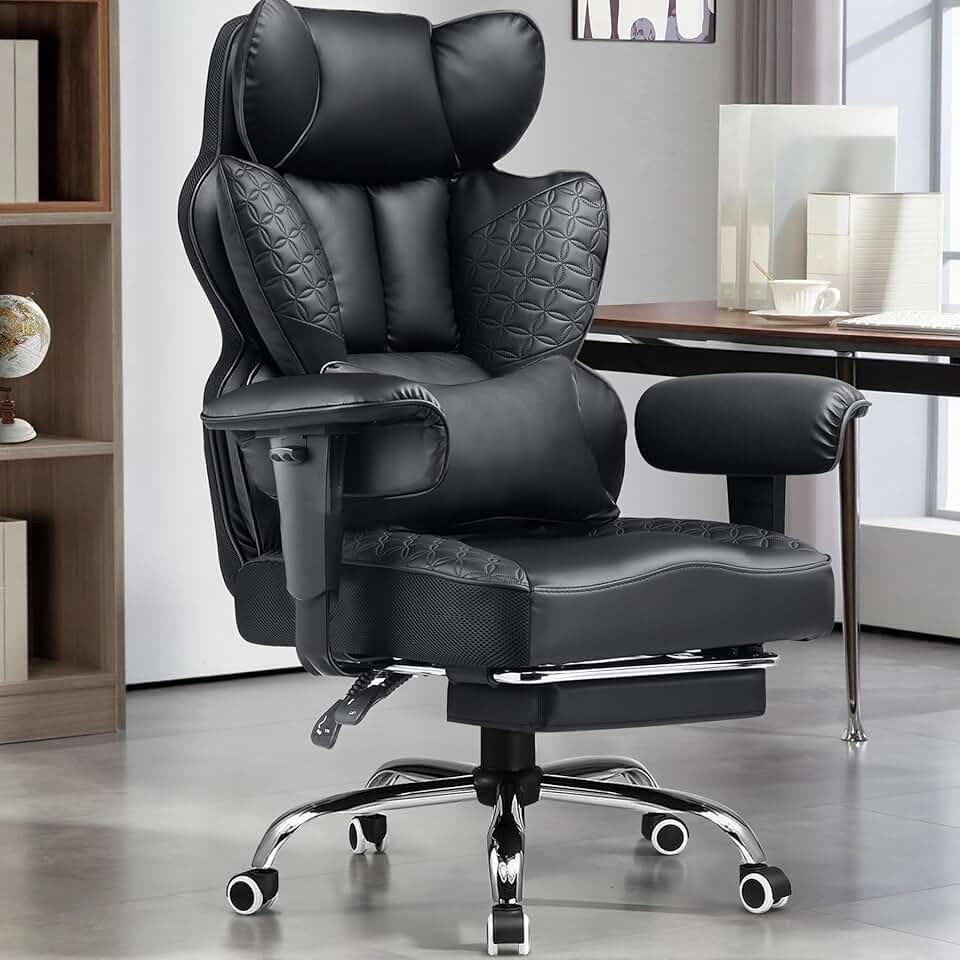

As an Amazon Associate, we may earn from qualifying purchases.
Selecting the Right Stack
There is no one-size-fits-all solution. The best toolset depends on your team size, industry, and existing infrastructure. Start by identifying the biggest pain points in your current workflow—whether it’s missed messages, unclear task ownership, or difficult brainstorming—and choose tools that address those specific issues. Avoid tool sprawl by auditing your subscriptions regularly and consolidating overlapping features.
Asynchronous communication best practices
Hybrid work blends onsite and offsite days in a structured way, but that structure often collapses when teams rely on real-time chat and back-to-back video calls. In 2026, the most effective teams treat asynchronous communication as a core operating system rather than a backup plan. This shift reduces meeting fatigue and improves clarity by allowing work to happen when it fits the individual’s schedule, not just the calendar invite.
Asynchronous work requires a deliberate change in how information is shared. Instead of interrupting colleagues with instant messages, teams document decisions, progress, and context in shared spaces that can be accessed on demand. This approach respects deep work time and reduces the cognitive load of constantly switching contexts. Research from Archie indicates that flexibility significantly improves work-life balance for the majority of remote and hybrid workers, with 72% of remote staff and 68% of hybrid staff reporting positive impacts.
Core principles for async clarity
- Default to written updates: Use written status reports and project logs instead of stand-up meetings. This preserves deep work time and creates a searchable record of decisions.
- Record video over scheduling: For complex explanations, send a short Loom or recorded walkthrough rather than forcing a live call. This allows viewers to pause, rewind, and digest information at their own pace.
- Establish response windows: Set clear expectations for response times. Not every message requires an immediate reply, which reduces the pressure to be constantly available.

Digital wellbeing strategies for 2026
Hybrid work offers flexibility, but it also blurs the line between professional duties and personal time. Without deliberate boundaries, that flexibility can erode into constant availability. The mental health impact of this blur is significant; 72% of remote workers and 68% of hybrid workers report that flexibility improves their work-life balance, yet only when they actively protect their time (ArchieApp, 2026).
Setting clear digital boundaries is the first line of defense. This means defining specific hours for communication and sticking to them, even when the office is "open" virtually. It involves turning off notifications after hours and resisting the urge to check email during family dinners or weekend downtime. The goal is to treat digital presence as a tool, not a tether.
Protecting attention spans
Constant context-switching between home life and work tasks fractures focus and increases cognitive load. To mitigate this, teams should adopt "async-first" communication norms where possible. This reduces the pressure for immediate responses and allows employees to batch their work into deep-focus blocks.
Managers play a critical role here. Instead of measuring productivity by online status, leaders should focus on output and deliverables. This shift reduces the anxiety of "performing" availability and allows employees to work during their most productive hours, whether that is early morning or late evening.

Reconnecting with colleagues
Digital wellbeing isn't just about reducing screen time; it's about maintaining human connection. Virtual coffee chats or informal check-ins can replace the spontaneous hallway conversations that build trust and reduce feelings of isolation. These interactions don't need to be scheduled meetings; a quick Slack message or a 10-minute video call can suffice.
By prioritizing these small connections, teams can maintain a sense of community without the burnout of endless video conferences. The key is intentionality—making time for relationship-building without letting it encroach on deep work or personal rest.
Frequently Asked Questions About Hybrid Work
Is remote work going away in 2026?
No. While some companies are implementing stricter return-to-office mandates, hybrid work remains the dominant model. According to a May 2026 Gallup poll, 52% of remote-capable U.S. employees still work in a hybrid environment, with another 26% working exclusively remotely. Only a small fraction have returned to fully on-site roles.
What are the current trends in hybrid work?
Hybrid work is becoming the default operating model for most organizations. Companies are shifting from arbitrary office days to flexible, outcome-based schedules. This shift is supported by a growing suite of AI-powered productivity tools designed to streamline collaboration between in-office and remote staff.
What are the most in-demand remote jobs in 2026?
Remote roles continue to expand beyond traditional tech positions. High-demand fields now include digital marketing, customer success, software development, and data analysis. Employers increasingly value asynchronous communication skills and self-directed project management over physical presence.
No comments yet. Be the first to share your thoughts!