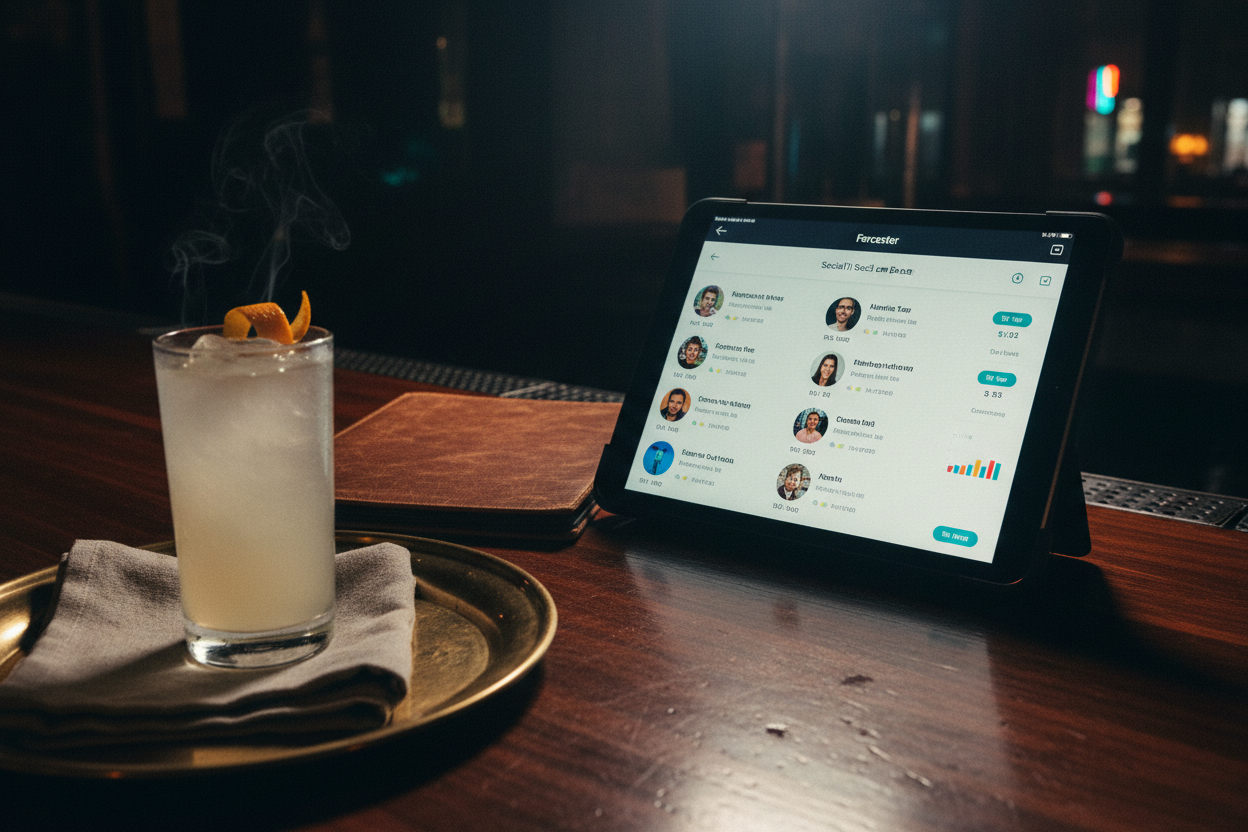


In the bustling ecosystem of SocialFi on Base blockchain, 2025 has solidified the rivalry between Base App and Farcaster as prime destinations for creators seeking sustainable income streams. As Base app vs Farcaster debates heat up, the core distinction lies in how each platform transforms social interactions into tangible earnings. Base App pushes aggressive content tokenization, turning every post into a marketable asset, while Farcaster champions a fragmented yet flexible array of incentives. This analysis dissects their Farcaster Base monetization strategies, revealing which suits aggressive traders versus community cultivators.

Base App’s Content Coin Revolution
Base App stands out by embedding tokenization directly into the creative process. Every post, image, or video morphs into an ERC-20 “Content Coin, ” tradable on integrated markets like Zora. Creators pocket around 0.5% transaction fees on each trade, creating passive revenue as their content gains traction. Holding a slice of the supply amplifies upside; if audience hype drives demand, token appreciation delivers compounded returns. Tipping layers on direct support, letting fans send instant Base ETH without intermediaries.
This model appeals to creators prioritizing immediacy. Imagine dropping a viral thread: within minutes, it’s a coin, traders speculate, and fees trickle in. Yet, it risks commoditizing content; oversaturation could dilute individual coin value. Still, for those mastering Base app coining posts, it’s a goldmine in a market where Friend. tech’s keys faded but Base App’s tokens endure.

Farcaster’s Multifaceted Incentive Web
Farcaster, built as a protocol rather than a walled app, sidesteps native tokens for a tapestry of monetization threads. Platform-native rewards distribute via engagement metrics, third-party programs like DEGEN airdrops incentivize quality casts, and peer-to-peer tipping flows freely through Frames. No automatic tokenization means creators curate their paths: launch custom tokens on Zora, gate chats for subscribers, or leverage Warpcast clients for exclusive drops.
This pluralism fosters resilience. Unlike Base App’s singular fee reliance, Farcaster’s diversity shields against market whims; a dip in trading volume doesn’t halt rewards. Creators here build empires on loyalty, with tools like Farcaster Warplets on Base enabling mini-apps for sustained engagement. Drawback? Fragmentation demands savvy navigation, favoring protocol veterans over newcomers.
Why You Should Use Base and Farcaster🤑 🤑 🤑 🤑 🤑 🤑 🤑 🤑: The Key to a Decentralized FutureIn a world where centralized platforms control our data, transactions, and social interactions, blockchain-based decentralized technologies offer a revolutionary approach. Base is a Layer-2 solution built on Ethereum, developed by Coinbase, making blockchain more accessible and efficient. Farcaster is a decentralized social protocol that enables the creation of open social networks without intermediaries. Together, they form a powerful Web3 ecosystem where users regain control over their assets and connections. In this article, we’ll explore why these technologies deserve your attention and how their integration is changing the game.What is Base and Why Does It Outperform Ethereum?Ethereum is the foundation of modern blockchain, but its scalability issues — high fees and slow transactions — hinder mass adoption. Base, a Layer-2 network built on Optimism’s optimistic rollups, solves these pain points by processing transactions off-chain and settling only the results on Ethereum. Launched by Coinbase in 2023, Base already handles over 35 transactions per second (TPS), boasts a $4 billion TVL, and surpasses competitors like Arbitrum in transaction volume.Benefits of Base for Users and Developers:Low fees and high speed: Transactions cost pennies (vs. $10–50 on Ethereum), with near-instant processing. Ideal for DeFi, NFTs, and gaming.
Ethereum-level security: Inherits Ethereum’s Proof-of-Stake consensus, ensuring protection from attacks and data immutability. No separate token needed — ETH is used for gas.
Developer-friendly: EVM compatibility allows seamless smart contract migration. Tools like gasless transactions and cross-chain bridges simplify dApp development. Coinbase provides access to 110 million users and $80 billion in assets.
Scalability and interoperability: Supports protocols like Aave, Chainlink, and Uniswap, making Base a hub for DeFi, gaming, and loyalty programs. Built on the OP Stack, it contributes to the “Superchain” — a network of interconnected L2s.
According to DefiLlama, Base ranks 7th in daily active addresses across all blockchains, with nearly 1 million users. It’s not just a network — it’s a bridge to a billion Web3 users, as envisioned by Base creator Jesse Pollak.Farcaster: A Censorship-Resistant Decentralized Social NetworkTraditional social platforms like X or Facebook monetize your data, censor content, and trap you in algorithmic feeds. Farcaster, launched in 2021 by former Coinbase employees Dan Romero and Varun Srinivasan, is an open protocol for building decentralized social networks. It runs on Optimism (Ethereum L2) with a hybrid architecture: identity on-chain, content off-chain in “hubs” for speed.Why Farcaster Beats Centralized Platforms:Ownership of data and identity: Your profile (FID) and social graph (followers, posts) belong to you. Migrate between apps (e.g., Warpcast — the main Twitter-like client) without losing your audience. No corporate bans.
Privacy and censorship resistance: Blockchain ensures post (cast) immutability and transparent interactions. Smart contracts automate processes. Frames (mini-apps in posts) let you perform on-chain actions directly in your feed — from trading NFTs to voting.
Creator monetization: SocialFi features let you tokenize content, receive tips in USDC, or launch creator tokens. A $25,000 weekly rewards program supports top users.
Open for developers: Open-source protocol with APIs for dApp building. Over 350,000 signups and 80,000 DAU — growing faster than Bluesky or Mastodon.
Farcaster isn’t one app — it’s an ecosystem: from analytics to token-gated communities. In May 2024, it raised $150 million from Paradigm and a16z, validating its potential.Base + Farcaster Integration: Synergy for Web3Individually, Base and Farcaster are powerful. Together, they’re revolutionary. Farcaster integrates with Base for username registration and transactions, leveraging L2’s low fees for mass onboarding.Key Advantages of the Integration:Scalable microtransactions: With USDC on Base, Farcaster enables cheap tips, airdrops ($110,000 already distributed), and gasless Frames. This expands SocialFi to 100+ million Coinbase users.
Ecosystem growth: Integration with Coinbase Wallet 2.0 lets you post, trade, and launch mini-apps from your wallet. Base hosts Farcaster tools (e.g., Clanker for token launches), boosting engagement.
SocialFi innovation: Cross-chain with Solana and BNB, AI agents for automation, meme coin launches. Farcaster surpassed 100,000 funded wallets, with Base as the low-barrier entry point.
Economic benefits: Base’s low fees make Farcaster accessible to beginners, enabling DeFi integrations (trading, lending) directly in social feeds.
This synergy turns Web3 from abstraction into everyday reality: social + finance, no middlemen.Conclusion: Time to Switch to Base and FarcasterIn 2025, as blockchain goes mainstream, Base and Farcaster deliver practical solutions: cheap, secure transactions and true social freedom. Base scales Ethereum for billions, Farcaster decentralizes social, and their integration builds an ecosystem where you are in control.Get started: Download Coinbase Wallet → explore Base
Sign up on Warpcast → join Farcaster
The future is decentralized. Join today — don’t miss the Web3 revolution.
Dissecting Revenue Mechanics Head-to-Head
Where Base App streamlines into token trades and tips, Farcaster disperses across rewards ecosystems. Base App’s 0.5% fees shine in high-velocity content hubs, but Farcaster’s third-party integrations tap broader liquidity pools. Decentralization tilts Farcaster ahead for longevity; user-owned data means portable audiences, unyoked from platform fate.
Opinion: Base App suits hit-makers chasing quick flips, yet Farcaster’s model, echoing early Web3 ethos, may dominate SocialFi apps Base 2025 by nurturing ecosystems over extractive trades. Early data hints at Farcaster’s stickier communities, per Dune analytics on user retention.
Transitioning deeper, these foundations shape creator choices amid Base’s explosive growth, from DEGEN’s buzz to Zora’s mints. Yet, as volumes climb, fee erosion and reward dilution loom as pivotal tests.
High trading volumes in Base App amplify those 0.5% fees into substantial hauls for top creators, but as more posts flood the market, individual coin liquidity fragments. Farcaster counters with layered incentives that scale with network effects; DEGEN distributions and Zora integrations pull in external capital, sustaining yields even in quieter periods.
Scalability and Sustainability Metrics
Quantitative edges emerge when scrutinizing on-chain activity. Base App’s token trades spike during hype cycles, mirroring Friend. tech’s early booms, yet retention lags without sticky communities. Farcaster’s protocol design, powering clients like Warpcast, logs higher daily active users per Dune dashboards, translating to steadier reward accruals. For SocialFi Base blockchain creators, this means Base App excels for short-form viral hits, while Farcaster underpins newsletter empires or token-gated clubs.
Consider a mid-tier creator: on Base App, 1,000 trades at $10 average volume nets $50 in fees, plus token holds. Farcaster might yield equivalent via 500 tips averaging $0.20 and a $100 third-party bounty, diversified across sources. The latter’s resilience shines in bear phases, where trading dries up but engagement persists.
Hybrid strategies are gaining traction, blending Base App’s tokenization with Farcaster’s Frames for interactive mints. Creators cross-post, directing traffic to coin trades while harvesting protocol rewards. This convergence hints at Base’s SocialFi maturing beyond zero-sum trades.
Risks in the Monetization Matrix
No path lacks pitfalls. Base App’s content coins invite pump-and-dump schemes, eroding trust if regulators eye securities classifications. Farcaster’s fragmentation risks audience silos; mismatched incentives across clients dilute focus. Both face Base layer-2 congestion, hiking gas costs that nibble at margins.
- Base App Vulnerabilities: Token illiquidity post-hype; dependency on Zora market depth.
- Farcaster Challenges: Reward volatility from third-parties; steeper learning curve for custom setups.
Mitigation favors diversification: allocate 60% effort to core strengths, 40% experimentation. Savvy creators audit smart contracts, engage DAOs for bounties, and track fee structures via analytics tools.
Strategic Picks for 2025 Creators
For viral marketers chasing Base app coining posts, Base App’s frictionless token launch delivers alpha. Niche educators or community builders gravitate to Farcaster’s ecosystem depth, where Warplets spawn recurring revenue via mini-apps and subscriptions.
Projections for SocialFi apps Base 2025 tilt toward Farcaster’s model as user-owned identities migrate audiences seamlessly. Base App iterates with governance votes on fee tweaks, potentially closing the decentralization gap. Ultimately, success hinges on audience fit: tokenize spectacle, incentivize substance.
As Base cements its SocialFi throne, creators blending both platforms will thrive, turning social graphs into self-sustaining economies. Monitor DEGEN flows and Zora volumes; they signal the next wave.
About the Author